
The Paradox of Progress: Navigating the 2025 Energy Investment Landscape
The global energy sector is currently navigating a period of stark contradiction characterized by a cooling of traditional funding alongside a feverish appetite for strategic acquisitions. In 2025, the renewable energy market—specifically solar and energy storage—witnessed a notable retreat in total corporate funding, yet merger and acquisition activity reached new heights of intensity. This shift signals a fundamental change in how capital moves through the industry. While external pressures like policy uncertainty and high interest rates have dampened overall investment volumes, the structural necessity for clean power has never been more urgent.
This environment has forced a transition from wide-scale speculation to calculated, long-term infrastructure plays. The explosion of artificial intelligence and the rapid expansion of data centers are serving as the primary engines of growth, compelling investors to pivot from venture-backed startups toward late-stage project acquisitions. As we examine the current state of the market, it becomes clear that the sector is not shrinking; rather, it is maturing into a more resilient and industrially focused version of itself.
Historical Context and the Shift Toward a Buyer’s Market
To understand the current surge in consolidation, one must look at the cooling effect of the previous fiscal year. Historically, the renewable sector enjoyed a period of high-valuation hype fueled by low interest rates and aggressive sustainability mandates. However, recent data indicates that total corporate funding for solar and energy storage declined by 16% and 19% respectively as the market corrected. These background factors—specifically trade risks and the Federal Reserve’s hawkish stance—drove down valuations across the board and pushed investors to be more discerning with their capital.
Rather than stalling the industry, these lowered valuations created a “buyer’s market.” Established players and institutional investors have seized this opportunity to acquire low-risk, late-stage assets at more attractive price points, effectively laying the groundwork for the next phase of infrastructure development. This trend marks a departure from the “growth at all costs” mentality of previous years, replacing it with a focus on operational efficiency and reliable energy delivery.
The Resilience of Solar and the Strategic Pivot in M&A
Solar’s Paradoxical Growth Through Consolidation
While venture capital and private equity funding for solar initiatives saw a downward trend, the sheer volume of solar deals rose by 17%. This divergence highlights a critical industry shift where investors are no longer as interested in early-stage startups with unproven technologies. Instead, the focus has shifted toward acquiring “de-risked” projects that are ready for immediate deployment. By targeting projects that have already cleared regulatory hurdles and secured land rights, large-scale developers are ensuring they can meet immediate energy demands without the long lead times associated with greenfield developments.
Energy Storage as an Essential Commodity
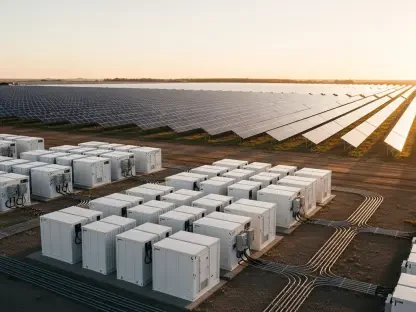
The energy storage sector mirrors the solar industry’s resilience, albeit with a different transaction profile. Although the total dollar value of acquisitions dipped—largely due to a lack of the massive, multi-billion dollar “mega-deals” seen in previous years—the frequency of project transactions jumped significantly from 38 to 65. This increase in transaction volume suggests that storage is no longer a niche luxury but a “hot commodity” essential for grid stability. As intermittent renewable sources like wind and solar provide a larger share of the power mix, the ability to store and dispatch that energy becomes the linchpin of the modern utility model.
AI Infrastructure and the Smart Grid Modernization
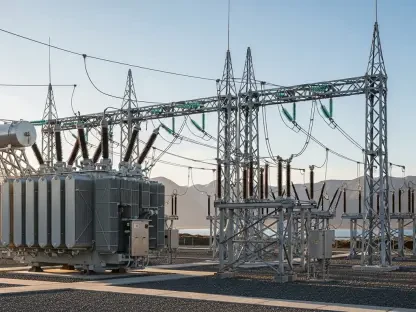
The primary catalyst for this sustained activity is the unrelenting energy hunger of the artificial intelligence revolution. Large-scale data centers require massive, constant power loads that traditional grids are struggling to accommodate. This demand has spurred a 38% increase in funding for smart grid technologies, as investors realize that generation is only half the battle; the grid must be intelligent enough to manage complex loads. Innovations in grid software and demand-response systems are becoming a top priority, addressing the misconception that simply adding more solar panels alone will solve the energy crisis.
Future Outlook: Regulatory Friction and Market Saturation
As the industry moves forward, the landscape is shaped by both potential relief and new hurdles. While anticipated interest rate cuts could lower the cost of capital and reinvigorate the sector, new “foreign entity of concern” (FEOC) regulations are expected to introduce significant friction. These rules will likely force developers to decouple from certain international supply chains, leading to short-term cost spikes and project delays. Furthermore, major markets like CAISO in California and ERCOT in Texas are showing early signs of saturation. This may lead to more selective investing, where capital migrates toward underserved regions or toward hybrid projects that combine generation with sophisticated storage solutions to maximize arbitrage opportunities.
Strategic Recommendations for the Evolving Energy Market
For businesses and investors navigating this transition, the focus must remain on quality over quantity. The transition from a period of high-valuation hype to one of strategic consolidation requires a disciplined approach to asset management. Companies should prioritize “ready-to-go” assets that can withstand regulatory scrutiny and supply chain shifts. For professionals in the space, understanding the intersection of AI demand and grid limitations is essential. Diversifying portfolios to include smart grid software and long-duration storage will be key to mitigating the risks of market saturation in traditional renewable hubs.
Conclusion: A Fundamental Shift Toward Long-Term Utility
The renewable energy market underwent a profound evolution that moved away from speculative growth toward a model of industrial-scale utility. Despite the headwinds of funding drops and regulatory complexity, the fundamental need for new generation—driven by the demands of AI and a global push for electrification—ensured that the sector remained a cornerstone of the global economy. M&A activity became the primary vehicle for securing the infrastructure necessary to power the next generation of technological advancement. Success in this new era required the strategic integration of solar, storage, and smart technology to bridge the gap between clean energy generation and the specific, high-uptime needs of the tech sector.