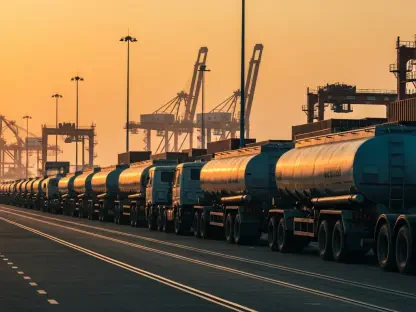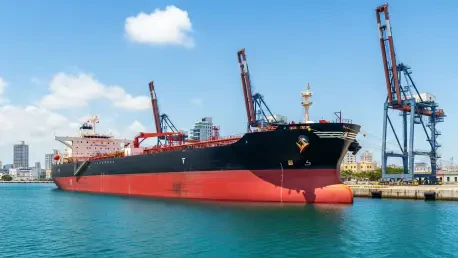

A massive 100,000-ton crude oil tanker named the Anatoly Kolodkin recently cut through the Caribbean waves to dock at Havana harbor, signaling a profound shift in the geopolitical landscape. This Russian-flagged vessel arrived not as a clandestine smuggler, but as a visible participant in a rare diplomatic opening that has caught many international observers off guard. While the U.S. government previously maintained a stance of absolute isolation regarding the island, the presence of this cargo suggests that the rigid walls of the “maximum pressure” campaign are beginning to show strategic cracks.
This event serves as more than just a logistical achievement for the Kremlin; it represents a calculated deviation from a decade of strict economic containment. By allowing this shipment to proceed, the current administration has signaled a move away from the total blockade narrative that defined previous years. This transition highlights the complexity of modern brinkmanship, where the necessity of preventing a regional collapse sometimes outweighs the desire for ideological purity.
The Anatoly Kolodkin and the Cracking of a Decade-Long Blockade
The arrival of the Anatoly Kolodkin marks the first time in recent memory that a Russian tanker of this magnitude has openly bypassed the de facto American maritime blockade. For years, the Caribbean has been a theater of tension, with U.S. naval assets and sanctions monitors keeping a close watch on any vessel attempting to service Cuban ports. The sudden lack of interference during this delivery indicates that a high-level policy shift has quietly taken place within the Oval Office.
This maritime maneuver acts as a bellwether for a broader reassessment of power dynamics in the Western Hemisphere. By permitting the vessel to offload its massive cargo, Washington has acknowledged that the era of total energy strangulation may have reached its limit. This concession suggests that the administration is prioritizing immediate humanitarian stability over the long-term goal of absolute economic isolation, a move that fundamentally alters the baseline of U.S.-Cuba relations.
From Caracas to Havana: The Context of Cuba’s Energy Paralysis
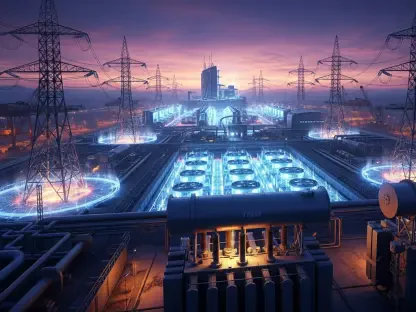
To grasp the weight of this Russian delivery, one must consider the systematic dismantling of Cuba’s energy infrastructure that occurred after the disruption of its Venezuelan supply lines. For years, Havana relied on subsidized oil from Caracas, but following aggressive economic operations intended to depose Nicolás Maduro, those shipments slowed to a trickle. This loss plunged the island into a state of chronic power blackouts, leaving critical facilities like hospitals and schools struggling to maintain basic operations during a period of industrial stagnation.
President Miguel Díaz-Canel recently underscored the desperation of the situation, noting that the country had been without a significant fuel shipment for months. The government was forced to pivot toward a slow-moving solar transition, but green energy cannot yet meet the immediate demands of a failing power grid. The energy crisis became so acute that it threatened the very survival of the nation’s core infrastructure, creating a volatility that the U.S. could no longer ignore without risking a complete humanitarian disaster on its doorstep.
Decoding the Trump Policy Pivot: Humanitarian Necessity vs. Political Ideology
The decision to allow these tankers to pass reflects a nuanced balancing act between a hardline ideological stance and pragmatic crisis management. President Trump has continued to label the Havana administration as a “bad regime” with “corrupt leadership,” yet he has notably softened his rhetoric regarding basic human needs. By stating he has “no problem” with fuel deliveries intended for “heating and cooling,” he has carved out a specific humanitarian exception that allows for survival without offering political legitimacy.
This shift is likely driven by a strategic fear of a mass migration event triggered by a total Cuban collapse. A failed state just ninety miles from the Florida coast presents a much larger national security risk than the optics of Russian influence in the region. Furthermore, previous threats of sweeping tariffs against nations supplying the island have proven less effective against Moscow, as the minimal existing trade between the U.S. and Russia leaves Washington with few remaining economic levers to pull in this specific scenario.
Geopolitical Insights and the Kremlin’s Diplomatic Gambit
Moscow has moved swiftly to capitalize on this opening, framing the shipment as a grand humanitarian gesture rather than a simple trade deal. Kremlin spokesperson Dmitry Peskov emphasized Russia’s enduring commitment to its long-term allies, positioning the Federation as a reliable partner in times of crisis. This maneuver allows Russia to maintain a high-profile presence in the Caribbean, effectively shrugging off past American threats while providing a lifeline to a nation in distress.
The alignment of interests between Washington and Moscow on this specific issue is a rare intersection of opposing foreign policies. Trump’s rare display of empathy-driven policy regarding the energy needs of the Cuban people suggests a tactical admission that the previous strategy had reached a point of diminishing returns. This development showcases how humanitarian requirements can occasionally override traditional impulses of trade blockades when the stakes of a total blackout become too high for any side to bear.
Assessing the Long-Term Implications for U.S.-Caribbean Relations
This policy shift indicates that humanitarian “carve-outs” may become a more prominent tool in regional diplomacy moving forward. If the U.S. continues to permit these energy shipments, it could pave the way for a more predictable, albeit strained, relationship with the island. Observers must now monitor whether this flexibility will extend to other essential sectors, such as food and medicine, or if it remains a isolated strategy designed solely to prevent a total electrical grid failure.
The situation provided a clear example of how geopolitical realities forced even the most rigid administrations to adopt a pragmatic approach to international relations. This move stabilized the immediate energy threat and suggested that future Caribbean policy would focus on preventing state failure rather than pursuing total economic erasure. Moving forward, the focus turned toward creating a sustainable framework for essential aid that avoided the pitfalls of the previous decade’s total isolationist strategy.