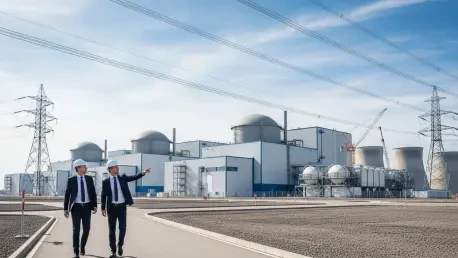

The unprecedented expansion of artificial intelligence data centers and high-tech manufacturing has pushed the global power grid to a critical breaking point, necessitating an immediate and monumental shift toward reliable, carbon-free baseload energy through international cooperation. Japan and the United States are finalizing a major nuclear power initiative as the centerpiece of a $550 billion investment commitment to the American economy. This strategic partnership, involving Westinghouse and Japanese industrial giants, aims to stabilize energy supply chains and enhance national security for both nations amidst global instability.
Strengthening Global Energy Security Through Bilateral Innovation
The $100 billion nuclear initiative serves as a primary pillar for stabilizing energy supply chains. By integrating Japanese capital with American energy infrastructure, the two nations intend to create a buffer against geopolitical volatility. This collaborative synergy leverages the financial strength of Japan to revitalize domestic production, ensuring that both countries maintain a competitive edge in the pursuit of national security.
Catalysts for a New Era in Nuclear Energy Deployment
Next-Generation Reactors and the Rise of Small Modular Technology
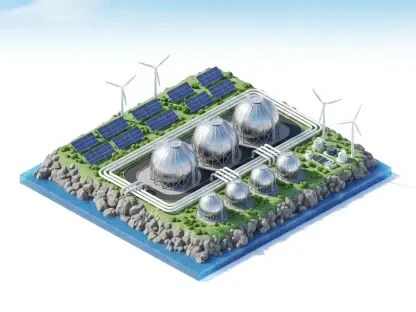
A significant industry shift is occurring as the market transitions toward cutting-edge small modular reactors. These systems offer a scalable solution to the skyrocketing electricity demand driven by data center expansion. The integration of Japanese technological precision with American production goals creates a more responsive energy architecture.
Market Projections: The Economic Impact of the $100 Billion Deal
The March 19 summit between Prime Minister Takaichi and President Trump highlighted growth forecasts driven by high-profile infrastructure projects. Beyond nuclear power, the deal includes investments in copper smelting and natural gas. These secondary projects enhance the broader energy market, attracting significant private interest.
Navigating the Complexities of Large-Scale Energy Infrastructure
Building advanced reactor fleets involves managing immense technical and logistical hurdles. Major stakeholders like Mitsubishi Heavy Industries and Toshiba have remained cautious while awaiting concrete agreements. Mitigation strategies for global market volatility are central to ensuring the long-term viability of these capital-intensive projects.
Establishing a Standardized Regulatory and Compliance Framework
To streamline international development, Minister Akazawa and Secretary Lutnick worked to align safety standards. This alignment is crucial for ensuring national security compliance and fulfilling previous trade agreements. A unified framework reduces administrative burdens, allowing for a faster transition to a modernized and reliable power grid.
Future Horizons for Trans-Pacific Energy Integration
Emerging technologies impact long-term carbon neutrality by converging nuclear power with AI-driven industrial clusters. This integration presents new growth areas for supply chain partners like IHI. As these industrial clusters evolve, the partnership will likely redefine the standard for grid reliability and technological integration.
Forging a Resilient Path Toward Global Energy Leadership
The strategic alignment between the U.S. and Japan provided a roadmap for the modern energy landscape. This partnership redefined nuclear energy economics and opened significant investment opportunities across the Pacific. The collaboration established a resilient framework that secured a stable and technologically advanced energy future for the global market.