
The sudden climb of Brent crude toward the $112 threshold has shattered months of relative market stability, signaling a profound shift in the global energy landscape. This price action reflects more than just a momentary fluctuation; it is the manifestation of a deepening supply crisis rooted in the heart of the Middle East. As infrastructure failures and geopolitical friction converge, the world is forced to confront the extreme vulnerability of its energy lifelines. Understanding this surge is critical for anticipating how inflationary pressures and trade disruptions will reshape the economic outlook for the coming months.
Historical Precedents: The Fragility of Global Energy Routes
For decades, the global economy has remained tethered to a handful of critical maritime chokepoints where political instability frequently translates into market chaos. Historical shifts in energy security demonstrate that whenever regional peace falters in the Gulf, the resulting supply shocks tend to be exponential rather than linear. Past disruptions have taught the industry that maritime safety and production consistency are the two pillars of price stability. These lessons are more relevant today than ever, as the current environment tests the limits of strategic reserves and international diplomatic resilience.
The Catalyst: Regional Disruptions and Strategic Chokepoints
Institutional Paralysis: Iraq’s Force Majeure and Kuwaiti Infrastructure
A primary driver behind the current valuation is the functional collapse of output from key regional players. Iraq recently declared force majeure across its foreign-operated oilfields, a legal admission that it can no longer fulfill delivery contracts due to uncontrollable external factors. This paralysis was largely triggered by the inability to move crude through traditional shipping lanes. Simultaneously, precision drone strikes on the Mina Al-Ahmadi and Mina Abdullah refineries in Kuwait have crippled processing capacity, removing significant volumes of refined products from the market and forcing traders to price in a steep risk premium.
Geopolitical Bottlenecks: The Siege of the Strait of Hormuz
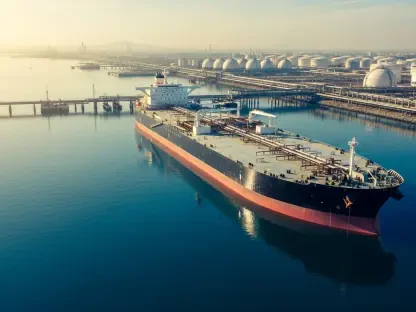
The logistical deadlock in the Strait of Hormuz represents a catastrophic failure of the primary corridor for international energy transit. Persistent interference has effectively halted tanker traffic, creating a physical vacuum in the global supply chain that alternative routes cannot realistically fill. Comparative analysis of previous maritime crises suggests that such blockades lead to immediate and aggressive price spikes because the global refinery system lacks the flexibility to source equivalent grades of crude on short notice. This bottleneck remains the most significant hurdle to restoring market equilibrium.
The Diplomatic Gambit: Strategic De-escalation and Sanction Relief
In an effort to curb the spiraling costs, international leaders are exploring unconventional diplomatic interventions to inject liquidity into the market. A proposed plan involves “unsanctioning” nearly 140 million barrels of crude currently held in floating storage to provide immediate relief to thirsty refineries. Furthermore, regional intelligence suggests that the military capacity to maintain the current blockade is being systematically degraded, offering a glimmer of hope for the reopening of trade routes. These strategic maneuvers indicate a high-stakes race to stabilize prices before they cause permanent damage to global growth.
Forecasting Volatility: $150 Peaks and the Path to Correction
Market projections suggest that the road ahead will be defined by extreme volatility as the conflict interacts with shifting regulatory landscapes. Some financial institutions have warned that a bull-case scenario could see prices reaching $150 if the maritime siege persists. Conversely, if a diplomatic breakthrough occurs within the next two months, a correction toward the $70 range remains possible by the end of the year. The divergence in these forecasts highlights the uncertainty of a market that is currently more sensitive to headlines and military developments than to traditional fundamental data.
Strategic Responses: Navigating a High-Cost Energy Environment
For participants across the industrial spectrum, the current environment necessitates an immediate pivot toward defensive financial planning and energy efficiency. Organizations are encouraged to adopt robust hedging strategies to mitigate the impact of unpredictable price swings on their bottom line. Investing in diversified energy sources and optimizing logistics to bypass regional chokepoints have become essential practices for maintaining operational continuity. These steps are no longer optional but are requirements for surviving an era where energy costs can fluctuate by double digits in a single week.
Stability Amidst Geopolitical Uncertainty
The ascent of oil to $112 per barrel served as a definitive reminder of how quickly regional friction can upend global commerce. Analysts observed that the combination of infrastructure damage in Kuwait and the strategic paralysis in Iraq created a supply-demand imbalance that required immediate intervention. International players prioritized the restoration of maritime corridors and the release of strategic reserves to prevent a full-scale economic contraction. Ultimately, the crisis underscored the necessity for accelerated energy diversification and a more resilient framework for protecting the world’s most vital trade arteries. Moving forward, stakeholders looked to bolster their hedging positions and invest in technologies that reduced their dependency on singular, high-risk geographic hubs.