
From Brinkmanship to Bargaining: How Diplomacy Reshaped Oil Markets Overnight
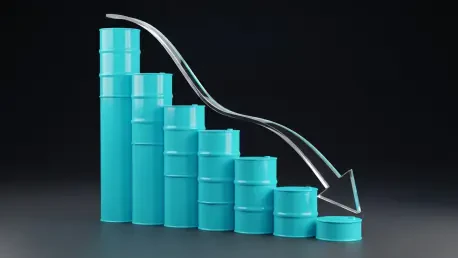
Global oil markets experienced a dramatic reversal as crude prices tumbled by over 5%, wiping out weeks of gains in a single trading session. This sharp decline was a direct response to an unexpected easing of geopolitical tensions between the United States and Iran, which had previously pushed prices to a six-month high. The sudden shift from military posturing to diplomatic overtures has sent a powerful signal through the energy sector, alleviating fears of a major supply disruption in the Middle East. This article will dissect the primary catalysts behind this price correction, explore the complex interplay of market forces at play, and analyze the potential implications for future price stability.
Setting the Stage: The Anatomy of a Geopolitical Risk Premium
The recent price plunge did not occur in a vacuum. For weeks, the market had been pricing in a significant “geopolitical risk premium” fueled by escalating hostilities between Washington and Tehran. The U.S. deployment of a naval fleet to the Persian Gulf, coupled with saber-rattling rhetoric from both sides, raised the specter of a direct military confrontation that could threaten the flow of oil through the critical Strait of Hormuz. Investor anxiety over a potential supply shock from this vital artery of global energy trade had created a bullish sentiment, driving crude prices steadily upward and keeping the market on high alert. This backdrop of fear and uncertainty is essential for understanding the magnitude and speed of the subsequent price collapse.
Dissecting the Market’s Reaction: Key Drivers Behind the Price Correction
The Power of Diplomacy: De-escalation as the Main Catalyst
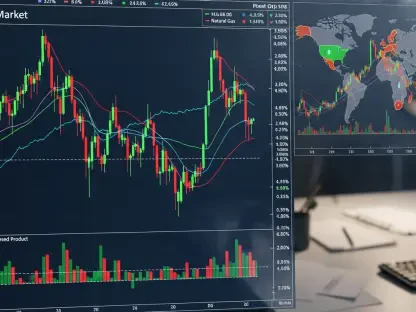
The primary driver behind the market’s sharp downturn was a palpable shift in tone from confrontation to potential negotiation. Statements from U.S. President Donald Trump and Iranian officials indicating a willingness to engage in talks fundamentally altered the market’s risk assessment. This diplomatic opening instantly eased investor concerns, triggering a massive sell-off as the perceived threat to Middle Eastern oil supplies diminished. Market analysts overwhelmingly agree that this de-escalation was the core catalyst, with global benchmark Brent crude falling nearly 5% to $65.88 a barrel and U.S. West Texas Intermediate futures seeing a similar drop to $61.76. The episode serves as a stark reminder of how sensitive energy markets are to geopolitical rhetoric.
Domestic Politics and Global Supply: The Undercurrents Capping Prices
Beyond the U.S.-Iran dynamic, other factors are contributing to the bearish sentiment. Experts suggest that the Trump administration’s sensitivity to high oil prices provides a powerful incentive to avoid conflict. With midterm elections approaching, the political risk associated with rising fuel costs—a deeply unpopular outcome with American voters—acts as a significant deterrent to further escalation. This political pressure is compounded by subtle shifts on the supply side. An increase in available barrels from Venezuelan crude inventories is quietly entering the market, adding to a global supply picture that already exceeds current demand and further capping any potential price rallies.
The OPEC+ Safety Net: A Floor for Falling Prices
While the market has reacted strongly to easing tensions, a total price collapse is being prevented by a critical counterbalancing force: the discipline of OPEC and its allies (OPEC+). The cartel’s recent decision to extend its production freeze provides a firm floor for prices, ensuring that the market does not become completely oversaturated with supply. This ongoing output management by the world’s largest producers demonstrates their commitment to market stability and prevents the bearish sentiment from spiraling out of control. The result is a market caught in a delicate tug-of-war, balanced between the downward pressure of de-escalation and the upward support from OPEC+’s continued production constraints.
Navigating a Volatile Future: What’s Next for the Oil Market?
Looking ahead, the oil market is poised to remain highly sensitive to geopolitical developments. The trajectory of U.S.-Iran relations will be the most significant variable, with any renewed friction likely to send prices soaring once again, while concrete diplomatic progress could keep them subdued. The market will also closely watch the effectiveness of the OPEC+ production agreement, especially as it contends with rising non-OPEC supply. The fragile balance between geopolitical risk, disciplined production cuts, and fluctuating global demand ensures that volatility will be a defining feature of the energy landscape in the coming months.
Strategic Insights from the Recent Market Shift
The rapid price slide offers several major takeaways for investors and industry stakeholders. First, it underscores that geopolitical headlines can be a more powerful short-term price driver than fundamental supply and demand data. Second, the influence of domestic political considerations on international energy policy should not be underestimated, as the desire to keep fuel prices in check can temper hawkish foreign policy. Finally, the role of OPEC+ as a market stabilizer remains paramount, providing a crucial backstop against extreme price downturns. For those navigating this landscape, the key is to monitor diplomatic channels as closely as inventory reports and to respect the cartel’s enduring influence.
Conclusion: An Unstable Equilibrium
The sudden plunge in oil prices serves as a potent illustration of the modern energy market—a complex ecosystem driven by a volatile mix of diplomacy, domestic politics, and coordinated supply management. The de-escalation of U.S.-Iran tensions has momentarily calmed fears, but the underlying fragility of the global supply chain remains. As long as the world depends on oil from politically unstable regions, the market will continue to lurch between fear and relief. The key takeaway is that in today’s interconnected world, a single statement can have as much impact as a million barrels of oil, leaving the market in a perpetual state of unstable equilibrium.