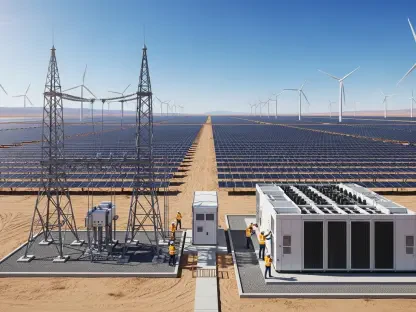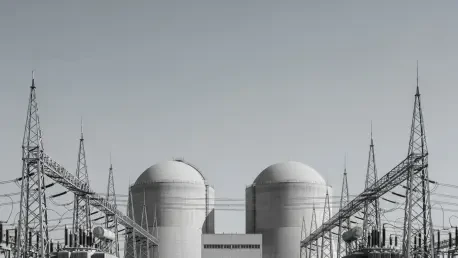

The architectural silhouette of the Rooppur Nuclear Power Plant now stands as the most significant landmark of industrial progress in the history of the Ganges delta. Bangladesh is currently pivoting away from a long-standing reliance on volatile fossil fuel imports toward a sophisticated, high-capacity energy strategy. This shift represents more than just a change in fuel sources; it is a fundamental reconfiguration of the national grid intended to support an economy that is rapidly moving toward a high-middle-income status.
The Transformation of Bangladesh’s Energy Infrastructure
Evaluating the current state of the national grid reveals a system that has long struggled with intermittent supply and the rising costs of liquid fuel. The transition to nuclear power via the Rooppur Nuclear Power Plant (RNPP) serves as the cornerstone for achieving the nation’s ambitious Sustainable Development Goals. By integrating a massive, steady baseload of electricity, the government aims to eliminate the energy deficits that have historically hampered manufacturing and urban growth.
High-level oversight remains a defining feature of this transition, with the Ministry of Science and Technology ensuring that every phase of execution aligns with national priorities. The involvement of the Nuclear Power Plant Company Bangladesh Limited (NPCBL) has already begun to influence national utility standards, introducing a level of technical rigor previously unseen in the domestic power sector. This institutional evolution ensures that the plant is not just an isolated project but a catalyst for systemic reform across the entire energy landscape.
Technological Advancements and Growth Projections
Emerging Standards in Nuclear Engineering and Sustainable Management
The successful execution of the hot run testing phase has provided a critical assurance of reactor reliability. During this period, engineers operated the systems under high pressure and temperature without nuclear fuel to verify the integrity of the cooling loops and safety mechanisms. This milestone has paved the way for uranium fuel loading, signaling the beginning of a modern era in power generation characterized by zero-carbon emissions and immense output capacity.
Consumer behavior is expected to evolve as the promise of a stable, high-capacity industrial power supply becomes a reality. Manufacturers who once relied on expensive captive power generators are now planning for expansion, anticipating a future where the grid provides the consistency required for high-tech production. This shift in sentiment is driving a new wave of investment in the special economic zones located near the facility.
Data-Driven Forecasts for National Grid Integration
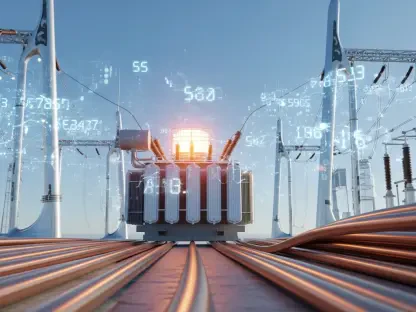
Current projections indicate that the electricity generation capacity from the two VVER-1200 reactors will provide a substantial portion of the national energy mix. Performance indicators derived from recent functional safety tests suggest that the plant will operate with high efficiency from the moment it goes online. These engineering benchmarks are essential for planners who are tasked with balancing the fluctuating loads of renewable energy sources with the steady output of nuclear power.
Economic growth forecasts are intrinsically linked to this new availability of reliable energy. As the grid absorbs the massive influx of power, industrial sectors such as textiles, pharmaceuticals, and heavy manufacturing are expected to see significant gains in productivity. The availability of predictable, large-scale energy is the primary driver behind the revised GDP growth estimates for the next several years.
Navigating Technical Hurdles and Risk Management
Managing the inherent complexities of large-scale nuclear engineering requires a sophisticated approach to infrastructure. The project team has had to navigate the logistical difficulties of transporting massive components and ensuring that the site-specific environmental factors are mitigated. By employing advanced modeling and simulation, the engineers have maintained a construction timeline that rivals international benchmarks for projects of this magnitude.
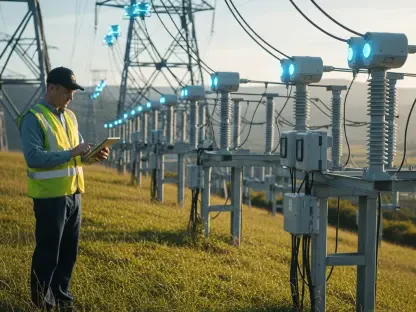
Maintaining international safety standards is a non-negotiable priority that dictates every action on the site. Strategies for risk mitigation include redundant safety systems and the implementation of a “safety culture” that permeates every level of the workforce. Coordinated teamwork between local engineers and international consultants has allowed the project to overcome technical obstacles that would have otherwise caused significant delays.
Regulatory Landscape and International Safety Compliance
Adhering to global nuclear security protocols is essential for the long-term legitimacy of the national nuclear program. The partnership with the Russian Federation has been instrumental in this regard, providing a framework for technological capacity building and regulatory alignment with the International Atomic Energy Agency. This collaboration ensures that the facility operates within a strictly monitored environment, prioritizing public safety and environmental protection.
The transition from international technical assistance to full domestic ownership is a gradual process involving extensive training and certification programs for local personnel. As Bangladeshi experts take on more responsibility, the nation is moving toward operational compliance that reflects global best practices. This shift is critical for establishing technological sovereignty and ensuring that the country can manage its nuclear assets independently in the future.
The Horizon of Innovation and Industrial Growth
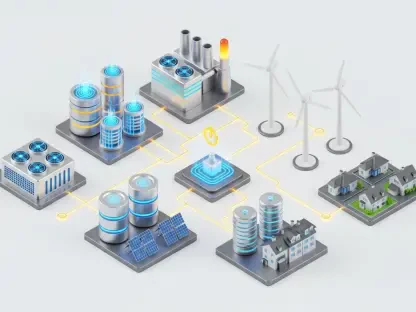
Future growth areas will be fueled by the transition to a low-carbon, nuclear-dominant energy portfolio. This shift is expected to trigger a wave of innovation in grid management, as advanced digital systems will be required to handle the distribution of such concentrated power. Furthermore, the localization of nuclear expertise will likely lead to the creation of a new high-tech service sector dedicated to maintaining and optimizing nuclear infrastructure.
International cooperation will continue to play a role in shaping the long-term technological landscape, even as domestic capabilities grow. Collaborations on research and development, particularly in the fields of radiation safety and nuclear medicine, are expected to emerge as secondary benefits of the RNPP. This broader ecosystem of innovation will ensure that the energy sector remains at the forefront of the global technological curve.
Assessing the Long-Term Viability of Nuclear Energy Security
The Rooppur Nuclear Power Plant established itself as the bedrock for the nation’s economic and industrial future through rigorous engineering and strategic planning. Stakeholders recognized that the facility provided a modern, sustainable, and high-capacity power supply that fundamentally altered the country’s development trajectory. To maintain this momentum, investment in human capital and the expansion of smart grid infrastructure were identified as the most critical next steps for ensuring lasting energy sovereignty. Future considerations should focus on integrating advanced modular reactors to supplement the current capacity and further diversifying the energy portfolio to protect against global market shifts.