
The global energy sector is undergoing a profound structural transformation as individual retail investors migrate from traditional equities toward the high-stakes world of crude oil speculation. This shift represents a significant departure from historical norms where complex commodity markets remained the exclusive playground of institutional hedgers, sovereign wealth funds, and major energy conglomerates. Recent data indicates that net retail buying in oil-linked exchange-traded funds has recently reached unprecedented peaks of over $211 million in a single trading session, eclipsing previous records set during the extreme market volatility of the early pandemic era. This surge in participation is not merely a statistical anomaly but a reflection of a broader cultural shift in trading behavior, where geopolitical instability is viewed as a primary vehicle for rapid wealth generation. As tensions in the Middle East escalate and vital shipping lanes face potential disruptions, the retail cohort has identified energy as the next frontier for the same viral, momentum-driven strategies that previously defined the meme-stock phenomenon.
Technological Integration and the Accessibility of Global Markets
The proliferation of sophisticated financial instruments has fundamentally lowered the barriers to entry for individual traders seeking exposure to the fluctuations of the global energy market. In previous years, trading crude oil required specialized knowledge of futures contracts, margin requirements, and physical delivery logistics that were often prohibitively complex for the average investor. However, the rise of exchange-traded funds like the United States Oil Fund and the United States Brent Oil Fund has streamlined this process, allowing anyone with a standard brokerage account to bet on the price of a barrel of oil as easily as they would a tech company. These funds provide a liquid and transparent gateway to the energy sector, effectively democratizing access to a market that was once gated by institutional complexity. Furthermore, the introduction of micro-futures contracts has allowed for more precise position sizing, enabling retail participants to manage their risk profiles while still capitalizing on the significant price swings that characterize modern energy trading.
This newfound accessibility is amplified by a digital infrastructure that prioritizes real-time information and social connectivity among traders. Digital platforms and community forums have become the new trading floors, where the same terminology used during the 2021 meme-stock era is now applied to West Texas Intermediate and Brent crude. Phrases like “meat on the bone” and “squeezing the shorts” have migrated from discussions of failing retail chains to the analysis of global supply chains and the potential closure of the Strait of Hormuz. This shift in the demographic profile of the market has introduced a layer of sentiment-driven volatility that often operates independently of long-term supply and demand fundamentals. As individual investors react to breaking news alerts and viral social media posts, the speed of capital movement has accelerated, creating a feedback loop where speculative fervor drives price action, which in turn attracts even more retail capital looking for a high-octane trading environment.
Geopolitical Sentiment and the Psychology of Scarcity
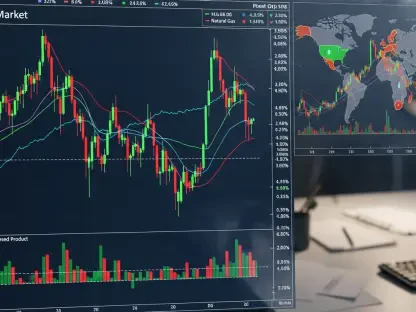
The current landscape of energy trading is increasingly defined by the role of geopolitical “noise” as a primary catalyst for retail engagement and market movement. Unlike traditional equity markets where earnings reports and growth projections drive valuations, the oil market is exceptionally sensitive to international conflict and the perceived threat of supply shortages. Retail traders have proven particularly adept at monetizing these crises, treating rumors of production shutdowns or shipping disruptions as clear buy signals. This behavior is reflected in the Crude Oil Volatility Index, which has reached levels not seen since the height of the global health crisis, signaling a market that is deeply reactive to headlines rather than structural data. For many in the retail community, this volatility is not a risk to be avoided but a magnet for opportunity, as the prospect of rapid price appreciation during a global crisis offers a seductive narrative of scarcity that is difficult for speculative capital to ignore.
Despite the clear parallels to the speculative bubbles of the past, there is a nuanced distinction between oil and the traditional meme stocks that defined the early digital trading era. While companies like GameStop were often driven by pure sentiment and collective retail action against short-sellers, the current rally in oil prices is anchored by tangible, real-world risks to physical energy security. International agencies have estimated that potential production shutdowns could impact up to 10 million barrels of daily output, providing a fundamental justification for price increases that many previous retail darlings lacked. However, this underlying reality does not necessarily protect the average trader from the inherent dangers of a speculative “musical chairs” scenario. The convergence of authentic supply concerns with a “meme-style” trading mindset creates an environment where prices can quickly disconnect from physical reality, leaving late-arriving participants vulnerable to catastrophic losses when the geopolitical fever inevitably breaks or a diplomatic solution is reached.
Strategic Pathways and Risk Mitigation in Energy Markets
The emergence of oil as a retail favorite necessitated a reassessment of how individual participants approach risk management and long-term asset allocation within the energy sector. Institutional analysts observed that traditional government interventions, such as the strategic release of petroleum reserves, failed to dampen the speculative atmosphere as effectively as they had in previous decades. This shift suggested that the modern trader was more focused on the immediate volatility of the asset rather than the overarching macroeconomic stability sought by policymakers. To navigate this new landscape, successful market participants began to prioritize the use of hedging strategies and diversified energy baskets rather than concentrating capital in a single, high-risk ETF. Moving beyond the “meme” mindset required a transition toward understanding the nuances of backwardation and contango, ensuring that the costs of maintaining a position did not erode the gains made during short-term price spikes.
As the speculative dust settled, the focus of the retail cohort transitioned toward a more disciplined approach to energy security and sustainable trading practices. Investors sought out educational resources that provided deeper insights into the mechanics of global shipping and the logistical constraints of refinery capacity, moving away from purely headline-driven decision-making. Professional advisors recommended that those interested in energy exposure should consider a blend of commodity futures and large-cap energy producers to balance volatility with dividend-yielding stability. This maturation of the retail market provided a necessary counterweight to the erratic swings seen during the height of the Middle East tensions. Ultimately, the integration of retail capital into the oil market functioned as a catalyst for a more informed public discourse regarding energy independence and the fragility of global supply chains, emphasizing the importance of strategic foresight over short-term speculative gambling.