
The shadow of triple-digit oil prices and volatile gas benchmarks has once again stretched across the European continent, yet the palpable sense of dread that defined the global economy four years ago is noticeably absent from modern market discourse. While geopolitical instability in the Middle East echoes the supply shocks felt after the invasion of Ukraine, the global economy is no longer the fragile, pandemic-weary entity it once was. Europe is facing a familiar threat, yet it is doing so from a position of significantly improved structural strength. The fear of $120-a-barrel oil and record-high gas prices has returned to haunt markets, but the panic of the previous decade has been replaced by a calculated, defensive posture that signals a new era of energy management.
This evolution is not merely a matter of luck but the result of a fundamental shift in how the continent handles energy security. Understanding the current landscape requires recognizing how the “perfect storm” of 2022—characterized by broken supply chains and aggressive fiscal stimulus—has cleared. Today, the importance of this story lies in the realization that structural buffers now protect the economy from the immediate spillover effects into the general cost of living. Whether a spike in energy costs triggers a minor inflationary hiccup or a full-scale economic recession depends entirely on these new defensive architectures.
Beyond the Brink: Why the Current Energy Scare Isn’t a Repeat of 2022
The primary reason the current market tension feels different from the 2022 shock is the absence of the specific catalysts that drove inflation to double digits. During the previous crisis, the world was emerging from a global health emergency with fractured logistics and a massive buildup of household savings that drove demand to unsustainable levels. In the current environment, the labor market has stabilized and consumer demand is far more tethered to reality, meaning that energy price increases are not hitting an already overheating system.
Furthermore, the fiscal environment has transitioned from aggressive stimulus to a focus on debt management and targeted support. When energy prices surged in the past, governments injected liquidity into the system to protect consumers, which inadvertently contributed to inflationary pressures. Today, the fiscal response is more measured, focusing on long-term infrastructure and efficiency rather than short-term price caps that distort market signals. This distinction is critical because it prevents the “wage-price spiral” that haunted central bankers during the post-pandemic recovery.
The Shift from Vulnerability to Strategic Preparedness
Europe has spent the last several years systematically dismantling its reliance on single-source energy providers. The current market is navigating a different set of economic variables where the immediate “spillover effect” into the general cost of living is more contained. This change is evident in the way industrial hubs have transitioned toward more diverse fuel mixes and enhanced storage capacities. While the threat to supply remains real, the infrastructure to manage that threat is significantly more robust than it was when the continent first faced a total loss of Russian gas imports.
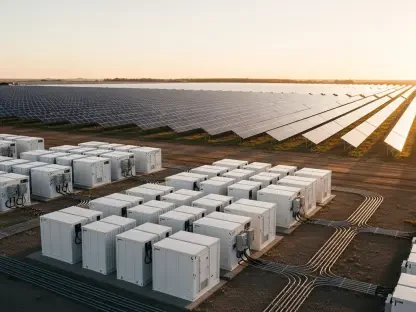
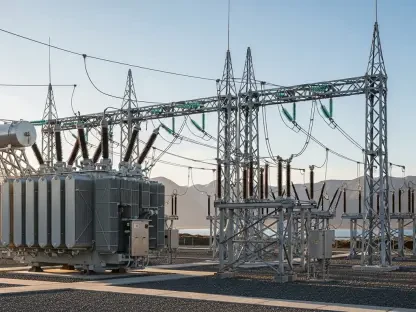
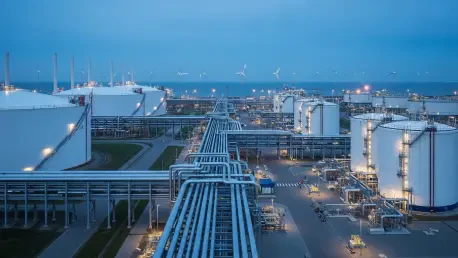
The narrative of vulnerability has been replaced by one of strategic foresight. By increasing the number of liquefied natural gas terminals and reinforcing cross-border electricity interconnectors, Europe has created a flexible grid that can reroute energy as needed. This flexibility acts as a shock absorber, ensuring that a disruption in one specific region or from one specific supplier does not lead to a systemic failure across the entire European Union. The ability to source fuel from a globalized spot market provides a level of maneuvering room that was previously nonexistent.
Structural Buffers and the New Energy Architecture
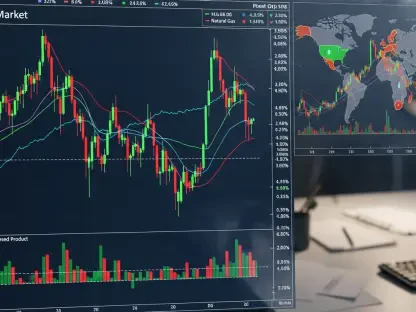
The International Energy Agency has moved from a reactive stance to a proactive one, exemplified by the record release of 400 million barrels of oil from emergency reserves. This massive infusion of supply acted as a circuit breaker, successfully pulling Brent crude and Dutch TTF natural gas prices back from their dangerous peaks. Such interventions demonstrate that global institutions have learned to use their strategic stockpiles to blunt the edge of geopolitical volatility before it translates into a full-scale economic crisis.
Diversification has become the primary defense mechanism for European energy giants like Germany’s Uniper. By pivoting away from historical dependencies and toward suppliers in Norway, the United States, and Azerbaijan, these companies have insulated themselves from the leverage of any single nation. Although the Strait of Hormuz remains a critical chokepoint for Qatari LNG, the continent’s ability to engage with a variety of global partners ensures that no single maritime delay can paralyze the entire economy. This decentralized approach to procurement has effectively neutralized the “energy weapon” that was so effective in previous years.
Expert Perspectives on the Market Cocktail
James Smith, a developed markets economist at ING, highlights that the absence of pandemic-era catalysts means the current shock is occurring in a “thinner” inflationary environment. In his view, the lack of excess savings and the normalization of supply chains mean that energy costs are less likely to trigger a broad-based rise in prices across the entire consumer basket. Meanwhile, analysts at Goldman Sachs describe the current situation for equity investors as a “complicated cocktail.” They argue that while a weaker euro might temporarily boost exporters, the primary focus must remain on how high energy costs might eventually threaten long-term growth if left unchecked.
Michael Lewis, the CEO of Uniper, emphasizes a critical transition from the volatility of the spot market to a strategy centered on long-term contracts. He suggests that this shift is the primary tool for insulating the continent from sudden price swings. By locking in prices and supply volumes for years in advance, utilities can provide a predictable cost structure to both industrial and residential consumers. This corporate mandate for stability is a direct response to the lessons of the 2022–2024 period, where over-reliance on daily market prices proved disastrous for financial planning.
Strategies for Navigating the Volatile Energy Landscape
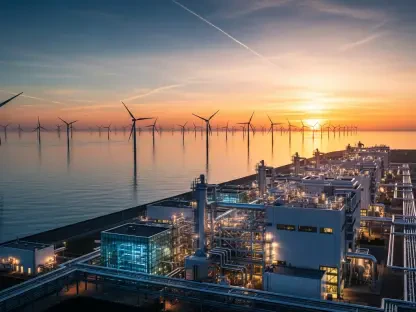
Navigating the current energy landscape requires a tactical pivot in how both corporations and central banks manage risk. Energy-intensive industries are now being encouraged to move away from spot-market exposure and toward long-term security agreements. This framework reduces exposure to daily fluctuations and provides a predictable cost structure that the volatile spot market cannot offer. Additionally, the integration of renewable energy sources has started to pay dividends by lowering the marginal cost of electricity during peak production periods, further diluting the impact of fossil fuel price spikes.
Central banks, particularly the European Central Bank, have adopted a “watchful waiting” approach. By signaling potential pauses rather than aggressive cuts, they aim to prevent a repeat of the inflationary spiral. This use of interest rates serves as a psychological anchor for market expectations, preventing businesses from preemptively raising prices in anticipation of higher energy bills. For investors, financial resilience is being found through portfolio diversification that focuses on companies with high energy efficiency and those contributing to the structural improvements in the European energy architecture.
The successful navigation of the energy crisis was achieved through a combination of rapid infrastructure development and disciplined fiscal policy. Policymakers utilized the lessons of the previous decade to establish a more resilient framework that prioritized long-term supply security over short-term cost savings. The transition toward a more diversified energy mix ensured that the continent was not paralyzed by geopolitical tensions in the Middle East. Furthermore, the integration of strategic reserves into a proactive market management strategy proved to be a decisive factor in stabilizing global benchmarks. These actions demonstrated that a prepared economy could withstand significant external shocks without descending into a recessionary spiral. Moving forward, the focus remained on expanding interconnector capacity and finalizing long-term LNG contracts to secure the next decade of growth.