
The sudden ascent of global crude prices toward the triple-digit threshold has sent tremors through international markets, yet China appears remarkably unphased by the looming prospect of a sustained energy crisis. While many industrial powers are scrambling to mitigate the inflationary impact of expensive oil, Beijing is currently reaping the rewards of a multi-decade strategy designed specifically to decouple its economic growth from the inherent volatility of fossil fuel markets. This resilience is not a matter of luck but rather the result of a meticulously engineered approach that combines aggressive infrastructure development with a rapid pivot toward domestic energy generation. As the world’s largest oil importer, the country has fundamentally transformed its vulnerability into a manageable risk through a combination of massive strategic reserves and a relentless drive toward electrification. This shift has not only provided a short-term buffer against geopolitical tensions but has also positioned the nation as a uniquely insulated player in a global economy that remains otherwise tethered to the fluctuating prices of the Middle Eastern and Central Asian crude supplies.
Building a Massive Economic Buffer: Strategic Stockpiling
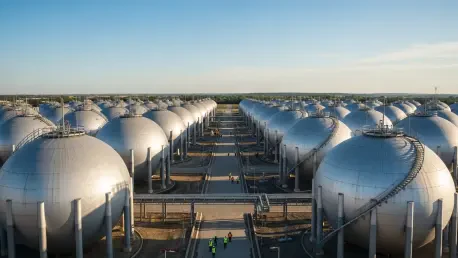
The primary mechanism protecting the Chinese economy from immediate price shocks is its unprecedented onshore crude inventory, which analysts estimate has reached approximately 1.2 billion barrels. This massive stockpile serves as a critical structural hedge, allowing the state to provide domestic refineries with a steady supply even if international prices remain prohibitively high for extended periods. By maintaining a reserve that covers more than a quarter of a year’s worth of import needs, the government has effectively eliminated the necessity for panic buying during times of global conflict. This level of preparation ensures that the immediate volatility seen in London or New York trading does not instantly translate into industrial paralysis at home. Furthermore, the sheer scale of these reserves gives Beijing significant leverage when negotiating long-term contracts with major exporters, as the nation can afford to wait for more favorable market conditions rather than accepting inflated spot prices out of desperation.
Beyond merely acting as a physical backstop, these strategic reserves function as a sophisticated economic stabilizer that protects the broader financial ecosystem from the cascading effects of energy inflation. When oil prices spike, the government can strategically release barrels into the domestic market to suppress localized cost increases, thereby shielding manufacturers from the sharp rise in logistical and production expenses. This interventionist capability is a unique feature of the Chinese model, where state-owned energy giants coordinate closely with central planners to prioritize national economic stability over short-term corporate profits. Consequently, the inflationary pressures that often lead to interest rate hikes and reduced consumer spending in other major economies are significantly muted within the Chinese borders. This proactive management of energy costs provides a level of certainty for the private sector, encouraging continued investment in high-tech manufacturing despite the chaotic state of global commodity markets.
Navigating Geopolitics: Diversification of Supply Routes
A central pillar of this newfound energy security is the deliberate reduction of reliance on vulnerable maritime chokepoints, most notably the Strait of Hormuz, which remains a frequent site of geopolitical friction. While many neighboring Asian economies depend on this narrow passage for nearly their entire petroleum supply, China has successfully lowered its exposure to roughly forty percent of its seaborne imports. This was achieved through the construction of an expansive network of overland pipelines stretching from the oil fields of Russia and the gas reserves of Central Asia directly into the Chinese heartland. These terrestrial routes are far more secure than sea lanes, as they are immune to naval blockades or the rising costs of maritime insurance during periods of regional conflict. By securing these direct connections, the nation has created a redundant supply architecture that ensures critical energy flows continue regardless of the security situation in the Persian Gulf or the South Sea.
The strategic shift toward land-based energy corridors also reflects a broader diplomatic effort to foster deep, long-term partnerships with neighboring resource-rich nations that share a mutual interest in bypassing Western-controlled financial and shipping networks. This diversification strategy extends beyond simple logistics; it involves the creation of a closed-loop energy ecosystem where transactions are increasingly settled in local currencies, further insulating the system from external economic sanctions. As a result, the traditional maritime risks that have long dictated the energy policies of major importers are becoming less relevant to China’s overall strategic calculus. This geographical flexibility allows the state to pivot its purchasing power between various regions, ensuring that no single geopolitical event can paralyze the national energy grid. This multi-directional approach to procurement has effectively decentralized the nation’s energy risk, turning what was once a singular point of failure into a diversified and highly resilient logistical matrix.
Transforming the Grid: Electrification and Renewable Integration
Perhaps the most significant long-term driver of China’s energy resilience is the aggressive electrification of its transportation sector, which has already displaced over one million barrels of daily oil demand. With more than half of all new passenger vehicles sold domestically now falling under the new-energy category, the country’s structural sensitivity to gasoline prices is in a state of terminal decline. This transition is particularly evident in the commercial sector, where electric trucks and buses are becoming the standard, fundamentally altering the energy requirements of the nation’s massive logistics industry. Unlike traditional internal combustion engines, these electric fleets are powered by a domestic grid that is increasingly independent of international oil markets. This shift represents a profound decoupling of economic mobility from crude oil, ensuring that the cost of moving goods and people remains stable even if global oil prices continue to climb toward historic highs throughout the remainder of the decade.
Complementing the rise of electric mobility is the massive expansion of the domestic renewable energy capacity, which has successfully decoupled the national power grid from the price of imported fossil fuels. In the current landscape, oil and natural gas account for only about four percent of the country’s total electricity generation, with the vast majority of power coming from domestic coal and an ever-growing array of wind and solar installations. This energy mix ensures that factories and households are largely shielded from the surging utility bills that typically accompany a global oil crisis in other parts of the world. Because the grid is powered by resources that are either extracted or generated within national borders, the internal price of electricity remains remarkably stable. This provides a massive competitive advantage for power-intensive industries, such as aluminum smelting and semiconductor manufacturing, which can maintain consistent production costs while their international competitors struggle with unpredictable energy overheads.
Future Proofing: Strategic Outlook and Next Steps
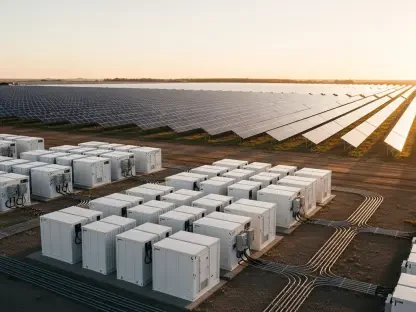
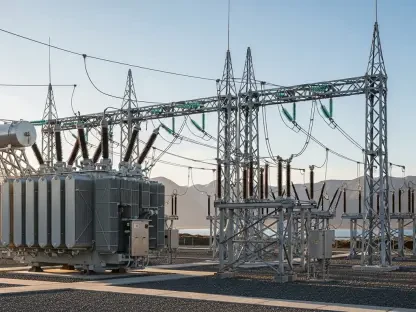
The resilience exhibited during this period of price volatility confirmed that the focus on energy sovereignty was a necessary evolution for maintaining industrial dominance in a fragmented global economy. Moving forward, the most effective path involves the accelerated deployment of ultra-high-voltage transmission lines to connect the renewable-rich western provinces with the industrial hubs in the east. This infrastructure allowed for the seamless integration of intermittent solar and wind power, reducing the need for fossil fuel baseloads. To further solidify this position, policymakers prioritized the expansion of long-duration energy storage technologies, such as flow batteries and pumped hydro, to ensure grid reliability without relying on natural gas peaker plants. These technical advancements moved the nation closer to its goal of having non-fossil fuels account for a quarter of total energy consumption, a target that appeared increasingly achievable as the cost of domestic green hydrogen production continued to plummet.
In the wake of these developments, the primary takeaway for global observers was the effectiveness of combining state-led industrial policy with rapid technological adoption to mitigate external commodity risks. While other nations remained vulnerable to the whims of oil-producing cartels, the proactive insulation of the domestic economy provided a blueprint for energy independence in the twenty-first century. Future considerations should now focus on the recycling of battery materials and the securing of rare earth supply chains, which represent the new frontier of energy security. By treating the energy transition as a national security imperative rather than just an environmental goal, the government successfully neutralized the threat of $100 oil. This shift necessitated a fundamental rethink of global trade dynamics, as the traditional influence of oil-producing regions began to wane in favor of those who controlled the technology and infrastructure of the electrified future.