
The absolute halt of maritime traffic through the Strait of Hormuz since February 28 has effectively severed the primary artery of the global energy market, plunging international trade into a period of profound uncertainty. This strategic chokepoint, which typically facilitates the passage of twenty percent of the world’s petroleum, is now the epicenter of a high-stakes confrontation between a U.S.-led coalition and the Iranian government. To mitigate the resulting economic paralysis, the U.S. Treasury Department has proposed a military-led escort program for commercial tankers. This initiative aims to restore the flow of crude oil, yet it faces significant operational hurdles that highlight the tension between urgent economic needs and the tactical realities of an active combat zone.
Historical Context: The Strategic Evolution of a Maritime Chokepoint
The Strait of Hormuz has long functioned as the world’s most sensitive economic “jugular vein,” where regional instability frequently translates into global price shocks. From the “Tanker War” of the 1980s to modern-day skirmishes, the international community has historically relied on the presence of the U.S. Navy to guarantee freedom of navigation. However, the current standoff is fundamentally different due to the shift in Iranian leadership under Supreme Leader Mojtaba Khamenei. Under his direction, the waterway has been weaponized not just as a defensive barrier, but as a proactive tool of geopolitical leverage designed to extract concessions from Western economies by strangling their energy supplies.
The Operational Gap: Assessing Strategy Against Military Reality
Divergent Timelines Within the Administration
While Treasury Secretary Scott Bessent advocates for the immediate commencement of naval escorts to stabilize markets, a clear lack of consensus persists within the cabinet regarding the feasibility of such a mission. Energy Secretary Chris Wright has signaled a more cautious approach, noting that current military priorities remain focused on the degradation of Iran’s offensive infrastructure and manufacturing capabilities. This internal debate underscores a critical friction point: the U.S. government is attempting to balance the domestic pressure for lower energy costs with the military necessity of ensuring that slow-moving tankers do not become easy targets in a still-contested environment.
The Persistence of Asymmetric Threats
Despite the achievement of total air superiority and the neutralization of Iran’s conventional naval fleet, the threat of asymmetric warfare continues to deter civilian shipping. The proliferation of low-cost loitering munitions and mobile missile batteries means that “neutralizing” a traditional navy no longer guarantees a safe passage for commercial vessels. Even with federal insurance underwriting provided through partnerships with firms like Chubb, the psychological and financial risk of a single successful strike remains a significant barrier to entry. This persistent danger has led even traditional allies, including France, to remain on the sidelines until the threat environment is more definitively stabilized.
Regional Strains: The Indian Energy Crisis
The closure of the strait is placing an immense strain on neutral energy importers, most notably India, which finds itself caught in a diplomatic crossfire. New Delhi must navigate a severe domestic energy crunch while trying to maintain its strategic autonomy between the U.S.-Israel bloc and its long-standing economic ties with Iran. This complexity suggests that any successful reopening of the waterway will require more than just naval power; it will necessitate a sophisticated diplomatic framework to address the vulnerabilities of third-party nations. Misalignment in communication regarding the safety of the strait can lead to further market volatility, making clarity a prerequisite for any escort mission.
Future Trends: Transitioning Toward Automated Maritime Security
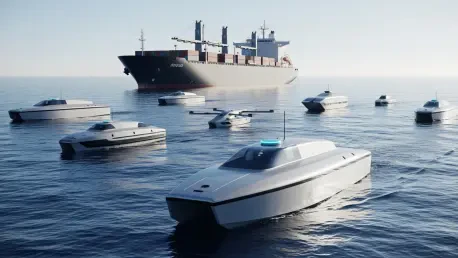
The evolution of security in high-conflict zones is likely to be defined by the integration of unmanned systems and radical shifts in risk management. We are moving toward a period where unmanned surface vessels will likely serve as decoys or early-warning sensors within escort groups to identify active threats before they can reach high-value tankers. Furthermore, the precedent of government-backed insurance for private trade suggests that the state may take a more permanent role in underwriting the risks of global commerce in volatile regions. These technological and financial shifts indicate that even after the current hostilities cease, the maritime landscape will remain highly securitized.
Strategic Recommendations: Navigating a Volatile Energy Landscape
For global stakeholders, the current crisis serves as a mandatory catalyst for diversifying energy supply routes and expanding strategic reserves. Maritime operators should closely monitor the transition from offensive military strikes to the establishment of sustained protective corridors, utilizing the federal underwriting programs as they become available. Best practices currently dictate a cautious approach, prioritizing the adherence to official Navy-led transit windows over independent maneuvers. Policymakers must also prepare for a prolonged period of elevated shipping costs as the industry adapts to the new “high-tech” naval presence required to keep these waters open.
Conclusion: The Final Analysis of Maritime Stabilization
The U.S. Navy’s commitment to escorting tankers through the Strait of Hormuz marked a pivotal shift from active combat operations toward a broader strategy of global economic stabilization. By attempting to bridge the gap between military air superiority and commercial safety, the administration sought to reclaim the freedom of navigation that defines modern international law. These actions demonstrated that in a world of asymmetric threats, the security of a single chokepoint could dictate the economic health of entire continents. Stakeholders eventually moved toward more resilient, diversified supply chains that integrated advanced autonomous security measures to prevent such a total market paralysis from recurring.