
The proposed construction of the Terra Energy Center in the remote Susitna Valley marks a radical departure from the global decarbonization trend that has defined energy markets over the last several years. This 1.25-gigawatt coal-fired power plant, situated within Alaska’s expansive Matanuska-Susitna Borough, represents the first project of its kind to reach this stage of development in the United States since 2013. Managed by an affiliate of Canada-based Flatlands Energy, the initiative is being framed as a strategic necessity to meet the explosive power demands of artificial intelligence and the massive data center clusters currently expanding across the continent. While nearly forty percent of the domestic coal fleet has retired due to economic pressures and environmental regulations, this project seeks to reverse that decline by positioning fossil fuels as the only reliable backbone for the next generation of high-tech industrial growth. By integrating traditional mining with modern computing needs, the project aims to stabilize an industry that many observers had previously consigned to history. The sheer scale of the proposal, combined with its location in a pristine subarctic wilderness, makes it a lightning rod for debate regarding the balance between national energy security and ecological preservation. If successful, the facility could provide a blueprint for other resource-rich regions looking to monetize untapped mineral deposits by linking them directly to the power-hungry digital economy, though the path to operational status remains fraught with unprecedented logistical and economic barriers.
Financial Framework: International Capital and Industrial Agreements
A substantial portion of the project’s current momentum is derived from a series of high-stakes international financial agreements that suggest a renewed confidence in large-scale fossil fuel infrastructure. The Terra Energy Center has secured a landmark $1 billion agreement in principle with South Korea’s Hyundai Heavy Industries Power Systems, specifically for the procurement of specialized coal power plant boilers. This transaction represents an equipment order of a magnitude not witnessed in the domestic market since 2006, highlighting a significant pivot toward capital-intensive energy projects that have otherwise stalled in the lower forty-eight states. Supporters of the deal argue that this infusion of foreign industrial expertise provides the technical foundation necessary to handle the complex combustion requirements of Alaskan coal. However, critics point out that an agreement in principle is not yet a binding contract, leaving the project vulnerable to shifts in international trade policy or changes in the financial stability of the primary stakeholders involved in the procurement.
In addition to the equipment deals, the project has attracted considerable attention from the global private equity sector, which is seeking high-yield opportunities in the energy landscape of 2026. KOREIT, a prominent South Korean infrastructure investment firm, has pledged a $500 million equity commitment to help bankroll the early phases of construction and site preparation. This is supplemented by historical investments from Nova Minerals, an Australian firm that contributed nearly $1 million to the project’s affiliates as part of its broader strategy to develop mineral assets in the region. Despite these impressive financial commitments, the project lacks the critical long-term power purchase agreements usually required to secure the remaining billions in debt financing. Without a guaranteed customer base—such as a consortium of major tech companies or a regional utility—the massive capital injections from overseas remain speculative. This financial paradox places the project in a precarious position where its survival depends entirely on the rapid development of a local industrial market.
Political Dynamics: Federal Ambition Versus Local Governance
The trajectory of the Terra Energy Center is inextricably linked to a complex interplay between national industrial policy and the practical realities of Alaskan local governance. At the federal level, there is a clear and aggressive mandate to revitalize the domestic coal industry through a combination of direct subsidies and government procurement orders. This policy environment has encouraged developers to pursue ambitious projects that would have been deemed non-viable only a few years ago. By directing the Pentagon to explore coal-derived energy and offering financial lifelines to aging facilities, the administration has created a favorable regulatory climate for new coal construction. However, this top-down approach often clashes with the nuanced political landscape of the Matanuska-Susitna Borough, where local officials must balance the promise of economic development against the long-term fiscal responsibilities of maintaining infrastructure. The project has become a central theme in regional political discourse, reflecting a divide over the best way to ensure energy independence.
Local resistance and executive caution have introduced significant hurdles that the project’s developers must still navigate to move forward. Mayor Edna DeVries initially exercised her veto power over a resolution intended to market the borough to industrial users of the plant’s energy, citing a desperate need for more rigorous vetting of the project’s potential environmental and financial liabilities. Although the borough assembly subsequently overrode this veto in a 6-1 vote, the incident highlighted a deep-seated concern regarding the transparency of the development process. The assembly’s support is largely driven by the urgent need to address a looming natural gas shortage in the Anchorage region, which has made the prospect of cheap, local coal-fired power increasingly attractive to residents and businesses. Nevertheless, the tension between the immediate need for energy and the long-term risks of a massive coal project remains unresolved, as local leaders continue to demand more concrete evidence of the facility’s economic viability and environmental safety protocols.
Infrastructure Realities: Building in the Alaskan Wilderness
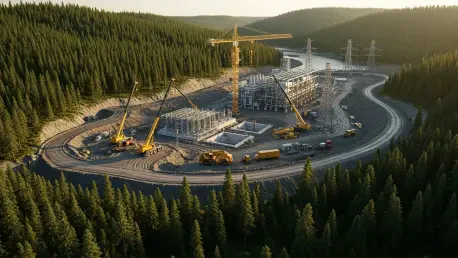
Perhaps the most daunting challenge facing the Terra Energy Center is the complete absence of supporting infrastructure in the remote Skwentna region of the Susitna Valley. Currently, the proposed site is located in a pristine wilderness area that lacks the basic roads, railroads, and high-voltage transmission lines necessary to transport heavy equipment or distribute electricity to the grid. To make the project functional, developers would need to oversee the construction of a hundred-mile access corridor, a task that involves navigating difficult terrain and harsh subarctic weather conditions. Some analysts describe the current plan as more of a visionary concept than a shovel-ready project, noting that ordering billion-dollar boilers for a site seventy miles away from the nearest existing power line represents a massive logistical gamble. The cost of bridging this infrastructure gap could easily run into the billions, potentially negating the economic benefits of using local coal and requiring further government intervention to remain competitive with other energy sources.
Operational viability is further complicated by the requirement that the facility function as a mine-mouth plant, meaning it must be fed by a coal mine located in immediate proximity. While exploratory drilling has been conducted over the past several years, the specific mine required to fuel a 1.25-gigawatt plant does not yet exist. The coal in this region consists primarily of lignite and subbituminous varieties, which have a lower heating value and are more difficult to process than the coal found in traditional mining hubs like the Powder River Basin. Extracting and transporting this resource in an area with no established logistics network requires an unprecedented level of coordination and capital. Without a functioning mine and the necessary transportation links, the power plant remains an isolated asset in a landscape that is famously unforgiving to industrial expansion. This disconnect between the ambitious energy output goals and the current physical state of the valley creates a significant risk for investors who are banking on a rapid transition from planning to production.
Ecological Impact: Preservation and the Future of Energy
The prospect of transforming a vital ecosystem into a heavy industrial zone has ignited fierce opposition from conservation groups and local communities who depend on the region’s natural resources. The Susitna River, which serves as a critical habitat for multiple species of salmon, was recently identified as one of the most endangered waterways in the nation due to the threats posed by mining and large-scale development. Opponents argue that the combination of a massive coal mine, a high-capacity power plant, and a network of new industrial roads would cause irreparable harm to the watershed and the wildlife it supports. There are also significant concerns regarding the carbon footprint of the facility, especially since earlier proposals for carbon capture and sequestration technology remain unconfirmed in the current 1.25-gigawatt plan. This creates a direct conflict between the push for high-tech industrialization and the preservation of Alaska’s unique ecological heritage, a debate that is likely to intensify as the project moves through the various stages of the permitting process.
Moving forward, the success of the Terra Energy Center depended on the developer’s ability to demonstrate that modern coal technology could coexist with rigorous environmental standards. Stakeholders emphasized that any future progress required the establishment of binding agreements with utilities to justify the massive investment in infrastructure. Experts suggested that the project should prioritize the implementation of advanced emissions controls and waste management systems to mitigate the impact on the Susitna River. Furthermore, the integration of regional stakeholders into the planning phase proved essential for addressing local concerns regarding public health and land use. As the project advanced from a speculative venture into a concrete industrial proposal, the focus shifted toward securing the necessary regulatory approvals and finalizing the logistics for the West Susitna Access Road. This transition required a transparent accounting of the project’s long-term sustainability, ensuring that the drive for energy production did not come at the permanent expense of the state’s most valuable natural assets.