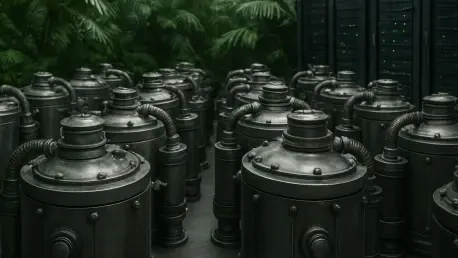

The Great Convergence of Artificial Intelligence and Nuclear Infrastructure The global technology sector has reached a historical tipping point where the boundless expansion of artificial intelligence is no longer limited by the ingenuity of software code but by the physical capacity of the

The recent delivery of high-capacity nuclear components from the specialized docks of Japan to the southeastern riverbanks of France represents a masterclass in industrial logistics and international energy strategy. As the global community intensifies its focus on energy security and carbon
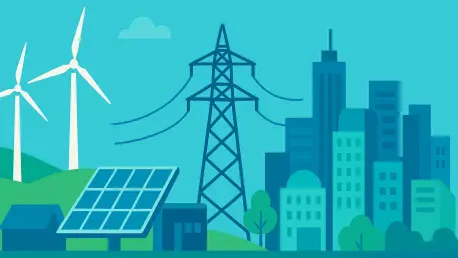
Transforming Cold War Legacies into Modern Energy Assets The decision to transform thousands of kilograms of decommissioned weapons material into a stable energy source marks a pivotal turning point for the American domestic power sector. Current industry trends reflect a decisive pivot toward

Startup reactor designers often lack the necessary capital to fund the entire upstream fuel supply chain required to bring their advanced technologies to market. This fundamental financial hurdle has emerged as the primary obstacle in a period where the global energy landscape is undergoing its
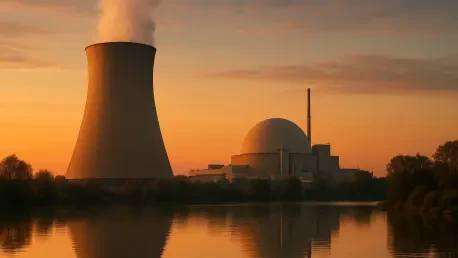
Local leaders believe that communities hosting nuclear infrastructure for decades have earned the right to influence decommissioning timelines. The debate in Spain has moved into a decisive phase as the energy landscape of Catalonia faces a profound transformation. While the central government has
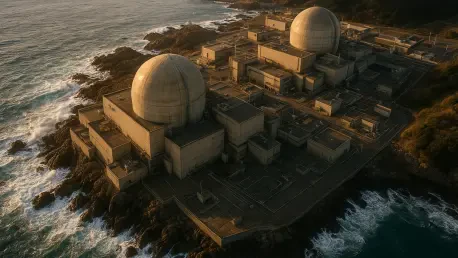
The Nuclear Safety and Security Commission faces pressure to implement more aggressive auditing of the climate models used to predict the long-term viability of reactor cooling sites. As the global environment shifts, the Korea Hydro & Nuclear Power (KHNP) company is grappling with the thermal
1 2 3 4 5 6 7 8 9 10 11 12 13 14 15 16 17 18 19 20 21 22 23 24 25 26 27 28 29 30 31 32