
The rise of electric vehicle (EV) adoption is having profound effects on global oil demand, significantly altering the dynamics of the tanker market. This shift is particularly evident in the major regions of China, the United States, and Europe, each exhibiting unique trends and challenges. The

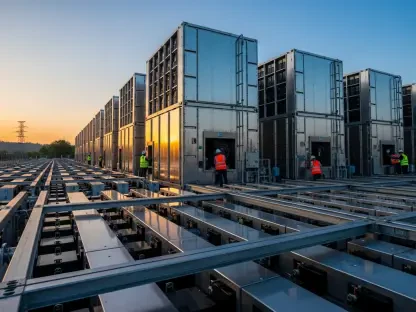
The battery industry is on the cusp of a seismic transformation, driven by remarkable technological advancements and surging demand. This phenomenon is largely enabled by the rapid adoption of electric vehicles (EVs) and other energy storage solutions, indicating a significant shift away from

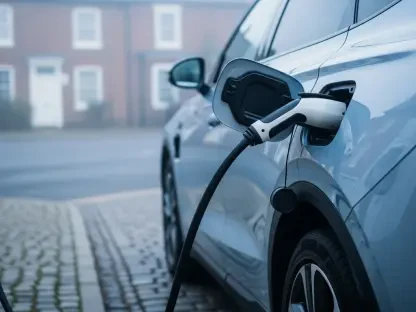
The adoption of electric vehicles (EVs) represents a critical component of the broader transition towards sustainable transportation. Despite rapid technological advancements and significant increases in production, many consumers remain hesitant to fully embrace EVs, hindering this shift.

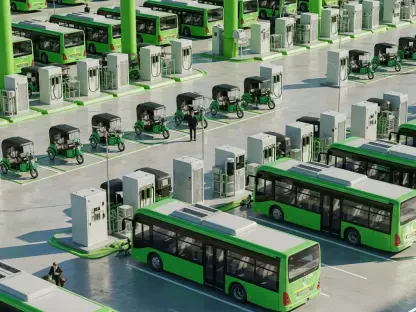
Lion Electric, a prominent Canadian electric bus manufacturer, has recently initiated bankruptcy proceedings, casting a shadow on the Biden administration's ambitious climate agenda. With nearly $160 million awarded to the company as part of the administration's $5 billion Clean School Bus program,

Recent federal investments have brought electric vehicles (EVs) and sustainable infrastructure to the forefront of Michigan's industrial and economic landscape. These investments, drawn from the Bipartisan Infrastructure Law and the Inflation Reduction Act, promise to transform the state’s future

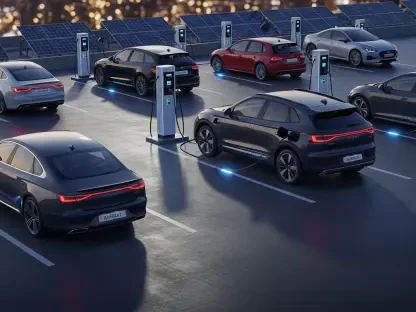
Kazakhstan has experienced a significant surge in the adoption of electric vehicles (EVs), reflecting a global trend towards cleaner and more sustainable transportation. However, this rapid growth has sparked concerns about whether the country's existing infrastructure can support the increasing