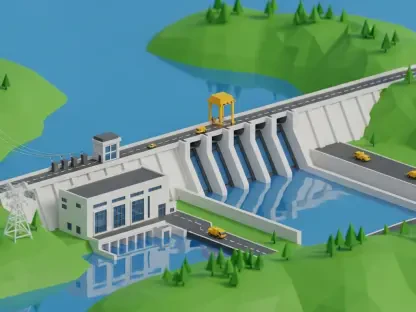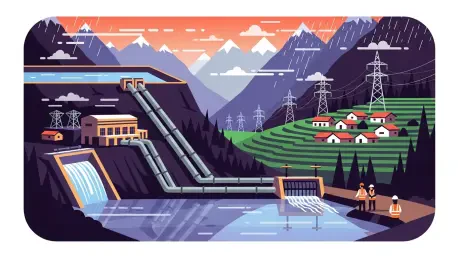
Why water power is being revalued in a renewables-heavy grid India’s grid expanded at breakneck speed while large hydro grew from the mid-40s GW to roughly 50 GW, and as total utility-scale capacity neared 500 GW with non-fossil sources closing in on half the mix, planners began valuing water power

When night fell along the mangrove-lined bends of the Gualajo River, the dark once arrived like a physical wall that sealed classrooms, clinics, and small shops from possibility until sunrise. That rhythm changed abruptly when continuous electricity replaced a precarious mix of car batteries,

In an industry where compliance deadlines collide with production targets and emissions reporting, the promise of one platform that unites regulatory rigor with real-time field performance has become more than a wish list item for operators across basins, it has become a necessity shaped by

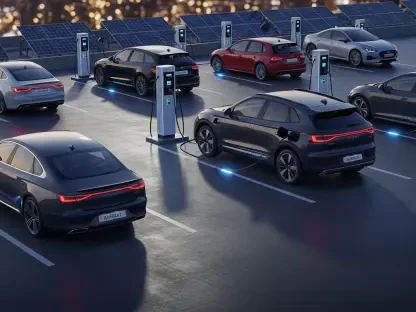
Fleet managers facing volatile fuel costs, tighter delivery windows, and climate targets are converging on a single, pragmatic question: can one card knit together payments, policy controls, telematics, and EV charging without adding complexity or risk to day-to-day operations while delivering

When roads stretch beyond the reach of gas pumps and charging stations, mobility falters not because machines cannot move, but because energy cannot follow, and that gap has become the most stubborn bottleneck for two-wheel transport in remote and rapidly growing regions. Into that problem space

Every new rack of servers spinning up state-of-the-art AI models adds invisible weight to the power system, while the very algorithms that drive those models promise to ease that burden by squeezing more value from every kilowatt coursing through wires, buildings, vehicles, factories, and data