
Scaling a national aviation sector to accommodate forty million passengers while simultaneously erasing its carbon footprint remains one of the most ambitious engineering and policy challenges in modern history. The Sultanate of Oman currently navigates a complex intersection where the National

As the global energy transition accelerates, hydrogen has emerged as a cornerstone of the decarbonization strategy for heavy industry. However, a recent landmark study from the University of Sheffield warns that the "green" label may be misleading if the underlying power systems remain tethered to

The global race to decarbonize heavy industry reached a transformative milestone as the Indian government codified the most stringent emission thresholds for sustainable chemical production in modern history. This decisive move shifted the conversation from theoretical sustainability to practical,

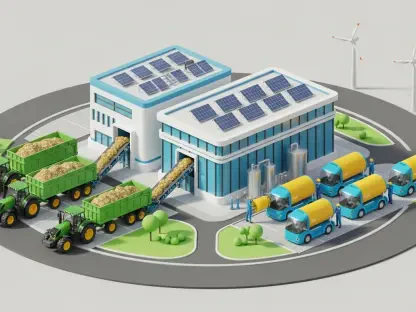
The transformation of urban waste into high-value energy and agricultural resources represents a pivotal shift in how modern cities manage the environmental footprint of large-scale cultural events. As traditional landfill capacities dwindle, the Penang Island City Council (MBPP) has pivoted toward

The American energy landscape is currently undergoing a radical transformation as carbon-negative fuel sources move from the periphery of the grid to the very center of national climate strategy. By leveraging organic waste and forest residues, the bioenergy sector provides a rare combination of
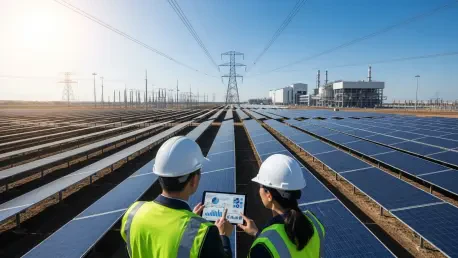
The collaborative energy between two of the world’s most influential democratic economies is currently forging a path toward a decarbonized future that once seemed technologically unattainable. This burgeoning partnership between Canada and India reflects a fundamental reorganization of global