
A Renewed Push for Biofuel: Is Pakistan Poised for an Energy Shift?
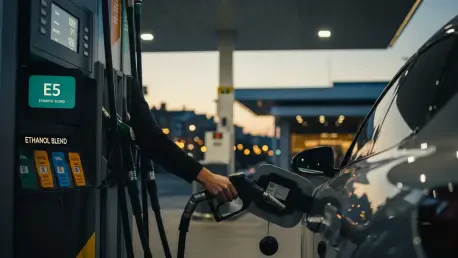
As of 2026, Pakistan is once again turning its attention to ethanol, with a government committee recommending a 5% blend with gasoline to curb a ballooning fuel import bill and bolster the domestic sugar industry. This revived initiative aims to chart a course toward greater energy security and economic resilience. However, this is not uncharted territory; a similar effort over a decade ago sputtered out, leaving questions about whether the country has learned from its past missteps.
Deja Vu or a Different Path? The Lingering Shadow of Past Failures
To understand the challenges facing the current proposal, one must look back to the 2010-2012 pilot project for 10% ethanol blending (E10). Launched with similar ambitions, the program was ultimately abandoned. Its failure was not due to a single issue but a convergence of predictable market forces and technical roadblocks. The primary cause was economic: ethanol producers found it significantly more profitable to sell on the international market. Compounding this, automakers raised alarms about E10’s incompatibility with older vehicles, creating public resistance.
The Core Challenges: Dissecting the Roadblocks to Implementation
The Economic Tug-of-War: Domestic Needs vs. Export Profits
The central conflict threatening Pakistan’s ethanol ambitions is a straightforward economic equation. While ethanol is cheaper per tonne than gasoline, its lower energy content means it must be priced 20-30% lower at the pump to offer equivalent value. This creates a de facto price ceiling on domestic ethanol that struggles to compete with lucrative export markets. Without a government-backed pricing mechanism to bridge the gap, producers will inevitably prioritize exports.
Infrastructure and Compatibility: The Hardware Hurdle
Beyond pricing, the plan faces significant physical and technical barriers. Introducing ethanol into the fuel supply chain requires substantial investment in dedicated storage and blending infrastructure at oil marketing companies’ depots, and the question of who will finance these upgrades remains unanswered. Furthermore, a major concern is the compatibility of Pakistan’s vehicle fleet, as a vast number of older cars and millions of two-wheelers are not built to handle E5 blends, raising the risk of engine damage.
Voluntary vs. Mandatory: The Policy Dilemma
The committee’s recommendation for a “voluntary” program introduces a critical element of ambiguity. A voluntary framework risks becoming a policy with no teeth. If blending is optional for oil marketing companies, they will only participate if it is profitable and logistically seamless—conditions that are far from guaranteed. The 2010 failure demonstrated that without a firm, mandatory framework, market forces will pull stakeholders toward the path of highest profit, which has historically been exporting ethanol.
Looking Ahead: Can Technology and Policy Pave a New Way Forward?
For the current ethanol plan to succeed where its predecessor failed, a more sophisticated and proactive approach is essential. This could involve introducing tax incentives for producers who supply the domestic market, implementing a long-term pricing formula that guarantees profitability, or establishing public-private partnerships to co-finance the required infrastructure upgrades. A national public awareness campaign is also needed to clarify vehicle compatibility.
A Roadmap for Success: Key Steps to Avoid a Repeat Failure
To navigate the path forward, stakeholders must embrace a multi-pronged strategy. For policymakers, the priority must be creating an unshakeable economic case for domestic blending through predictable pricing and investment incentives. Industry stakeholders must engage in proactive collaboration, while the government and auto industry must launch a unified public information campaign to build consumer trust regarding vehicle compatibility.
The Final Verdict: A Precarious Path to Energy Independence
Pakistan stood at a crossroads, once again contemplating the promise of ethanol-blended fuel. The goal of reducing reliance on costly imported oil was more critical than ever, but the ghosts of the failed 2010 initiative served as a stark reminder that good intentions were not enough. The success of this renewed push became a litmus test of the government’s ability to craft a policy that aligned competing interests. Transforming the vision into reality required bold action that directly addressed the tough economic questions left unanswered a decade ago.