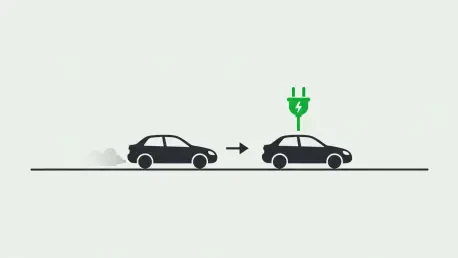

An older vehicle sitting in a Delhi driveway now stands at a unique crossroads, representing not just a depreciating asset but a potential gateway into the future of urban mobility. As the city grapples with persistent air quality challenges, the government is exploring innovative ways to accelerate its transition to cleaner transport, turning a common problem into a compelling opportunity for car owners. This new approach pivots from the simple mandate of scrapping old vehicles to a more nuanced strategy of sustainable repurposing.
Is Your Old Car an Environmental Liability or a Financial Opportunity?
For many owners of aging petrol and diesel cars, particularly those with premium or luxury models, the decision to scrap a well-maintained vehicle for a minimal return is often unappealing. These cars, while non-compliant with newer emission standards, still hold significant personal and monetary value. Consequently, they can become liabilities, occupying space while contributing to pollution concerns.
This is where the concept of retrofitting introduces a paradigm shift. Instead of being discarded, these vehicles can be transformed into zero-emission electric cars, preserving their structural integrity and value. This process presents a financial alternative to the low returns from scrapping, allowing owners to extend the life of their investment while aligning with the city’s environmental goals. It reimagines the end-of-life phase for a car, turning a potential loss into a sustainable asset.
Delhi’s Green Ambition and the Push for EV Policy 2.0
The push for vehicle conversion is not an isolated initiative but a cornerstone of Delhi’s aggressive environmental agenda. The capital’s struggle with vehicular pollution is well-documented, making the electrification of its transport fleet a critical priority. The draft Electric Vehicle (EV) Policy 2.0 is the latest strategic framework designed to tackle this issue head-on by creating a robust ecosystem for electric mobility.
This policy reflects a maturing understanding that a multi-pronged approach is necessary for meaningful change. Rather than solely promoting the sale of new EVs, the government acknowledges the vast number of existing internal combustion engine vehicles on the roads. By incentivizing their conversion, the policy aims to curb pollution from the current fleet, making the transition to green transport more inclusive and faster than relying on new vehicle sales alone.
Decoding the Deal and What the Retrofitting Incentive Entails
At the heart of this new strategy is a direct financial incentive designed to make EV conversion a tangible reality for the average car owner. The draft policy proposes a subsidy of up to Rs 50,000 for those who choose to retrofit their existing cars. This support is intended to directly address the primary barrier to adoption: the significant upfront cost of conversion kits and labor.
Initially, this incentive is planned for the first 1,000 vehicle conversions, serving as a pilot to gauge public interest and streamline the process. By partially offsetting the retrofitting expenses, the government hopes to create a compelling financial case for conversion. This makes the decision less about affording a brand-new EV and more about making a cost-effective, environmentally sound upgrade to a familiar vehicle.
Beyond Conversion and a Glimpse into Delhi’s Broader EV Strategy
The retrofitting scheme is a key component of a much larger and more comprehensive vision for Delhi’s electric future. The draft policy also includes incentives for individuals who scrap their old vehicles to purchase new EVs, creating a dual pathway toward cleaner mobility. This ensures that whether an owner chooses to convert or replace their vehicle, a supportive measure is in place.
Furthermore, the policy demonstrates a commitment to long-term growth and innovation by proposing a twenty-fold increase in research and development funding for electric mobility, from Rs 5 crore to Rs 100 crore. Ambitious targets, such as more than doubling the number of electric two-wheelers to 12 lakh, and the introduction of safety ratings for e-rickshaws, underscore a holistic strategy aimed at transforming every segment of the city’s transportation network.
The Car Owner’s Checklist for an EV Conversion
While the proposed subsidy is an attractive offer, the decision to convert a car to an EV requires careful consideration. Owners must evaluate the total cost of retrofitting against the government incentive and weigh it against long-term savings on fuel and maintenance. The age, condition, and model of the vehicle are also critical factors, as not all cars are ideal candidates for conversion.
Ultimately, this initiative places the choice directly in the hands of Delhi’s residents, empowering them to participate actively in the city’s green transition. The success of this policy will depend on its final approval and the willingness of car owners to embrace this innovative path. It represents a forward-thinking attempt to balance economic realities with environmental imperatives, potentially setting a new standard for sustainable urban transport in India.