
The Unfair Burden: Holding Power Plants Accountable for External Failures
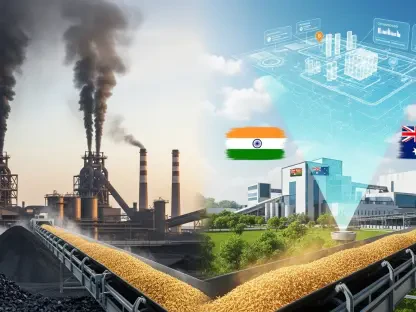
When a power plant fails to meet a government mandate, the immediate response is often to assign blame and impose penalties. This is precisely the situation facing several thermal power plants in India, which are now under scrutiny for not meeting mandatory biomass co-firing targets. However, a deeper look reveals a more complex reality: these failures are not born from defiance but from wrestling with a nascent and broken supply chain. The Association of Power Producers (APP) argues that penalizing operators for systemic issues beyond their control is not only unfair but counterproductive. This article explores the critical disconnect between environmental policy and market reality, examining why a punitive approach misses the mark and how a collaborative strategy is essential for achieving a sustainable energy future.
From Policy Mandate to Practical Reality: The Push for Biomass Co-firing
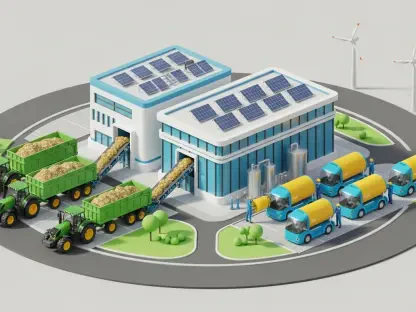
The policy mandating biomass co-firing in coal-based power plants was established with two clear and commendable goals: reducing the carbon footprint of the power sector and providing a productive solution to the pervasive problem of agricultural stubble burning. By converting crop residue into fuel pellets, the initiative aimed to create a circular economy that benefits farmers, the environment, and the energy grid. However, the policy’s rapid implementation created an immediate, large-scale demand for a product—torrefied biomass pellets—that the domestic market was simply not equipped to supply. This foundational gap between regulatory ambition and on-the-ground industrial capacity set the stage for the challenges that power producers are facing today, transforming a well-intentioned environmental goal into a logistical and financial minefield.
Analyzing the Disconnect Between Policy and Practice
The Root of Non-Compliance: A Fractured and Unreliable Supply Chain
The core of the compliance issue lies not within the power plants themselves but in the underdeveloped ecosystem meant to support them. Power producers report a cascade of supply chain failures, starting with an insufficient number of suppliers capable of producing high-quality torrefied biomass pellets. The pellets that are available frequently fail to meet technical specifications, with high moisture and volatile content leading to operational risks and frequent rejection. This forces plants into a cycle of sourcing, testing, and rejecting materials, making it nearly impossible to maintain consistent co-firing operations. Compounding the problem is a lack of technical solutions approved by original equipment manufacturers (OEMs), leaving plant operators to navigate uncharted territory without the necessary support or validated processes to ensure safety and efficiency.
A Tale of Two Realities: Proactive Efforts in a Reactive Market
The case of Talwandi Sabo Power Limited (TSPL) serves as a powerful illustration of both the industry’s commitment and the market’s shortcomings. After facing the same persistent supply shortages as its peers, TSPL took the extraordinary step of directly investing in the supply chain. By supporting local partners to establish a torrefied biomass production facility, the company helped build the very ecosystem it needed to comply with the mandate. The result was a dramatic improvement in its co-firing performance, which proves a critical point: when a stable and reliable supply of quality biomass is available, power plants can and will meet their targets. This proactive effort demonstrates that the obstacle is not a lack of will but a lack of a functioning market, a problem that individual operators cannot be expected to solve alone.
Punitive Measures or Productive Solutions? The Flaw in Financial Penalties
Against this backdrop, the move by the Commission for Air Quality Management (CAQM) to issue show-cause notices and propose hefty fines appears misguided. The APP rightly cautions that such penalties are counterproductive. They impose significant financial pressure on producers already grappling with high operational costs and supply chain uncertainties, yet do nothing to address the root cause of non-compliance. Punishing the end-user for the failures of an immature supply market is akin to fining a driver for not refueling when all the gas stations are empty. Instead of fostering progress, this approach risks creating a contentious relationship between regulators and industry. A more constructive path, as suggested by the APP, would involve granting a one-time waiver or allowing unmet targets to be carried forward, acknowledging that these are systemic growing pains, not deliberate violations.
From Punishment to Partnership: Charting a Sustainable Path for Co-firing
The future success of India’s biomass co-firing initiative hinges on a fundamental shift from a punitive to a collaborative framework. Instead of focusing on penalties, regulatory bodies and the government should prioritize creating an enabling environment for the biomass supply chain to mature. This includes developing clear quality standards for pellets, offering financial incentives for new and existing pellet manufacturers to scale up production, and funding research to overcome technical hurdles. A coordinated effort involving power producers, OEMs, technology providers, and the agricultural community is needed to build a resilient ecosystem from the ground up. The long-term vision must be one of partnership, where policy supports market development and all stakeholders work together to achieve shared environmental goals.
Actionable Insights: A Roadmap for Regulators, Producers, and Suppliers
To move forward effectively, each stakeholder has a distinct role to play. Regulators must pivot from enforcement to enablement by considering temporary relief for producers facing genuine supply constraints and redirecting focus toward policies that strengthen the supply side. For power producers, the strategy should involve meticulously documenting supply chain challenges to build a case for policy reform while continuing to explore localized partnerships, as TSPL did. Finally, for current and prospective biomass suppliers, the opportunity lies in investing in technology and stringent quality control processes to produce reliable, high-grade pellets that meet the technical demands of power plants, thereby positioning themselves as indispensable partners in this green transition.
Beyond Blame: Fostering Collaboration for a Greener Grid
Ultimately, penalizing power plants for supply chain failures was a shortsighted approach that mistook the symptom for the disease. The shared goal of curbing pollution and transitioning to cleaner energy was too important to be derailed by a flawed implementation strategy. The real challenge was not forcing compliance through fines but fostering an industrial ecosystem capable of supporting it. By shifting the focus from blame to collaboration, regulators and industry worked together to build the robust, reliable, and sustainable biomass supply chain that was essential for India’s energy future. This cooperative path was the only one that could have turned an ambitious environmental policy into a tangible, long-term success.