
A Green Dream Turned into a National Crisis
Once hailed as a triumph of clean energy, Nepal’s household biogas program is facing a catastrophic failure. A comprehensive study by Kathmandu University has pulled back the curtain on a nationwide crisis, revealing that over half of the country’s subsidized biogas systems lie abandoned. This collapse not only jeopardizes Nepal’s 2045 net-zero ambitions but also represents one of the nation’s largest-ever examples of stranded public investment. This article explores the interconnected technical, social, and policy blunders that turned a promising green initiative into a cautionary tale, examining why thousands of systems are now silent monuments to a failed vision.
The Celebrated Rise and Silent Fall of a Flagship Program
For decades, Nepal’s biogas program was a cornerstone of its rural development and clean-energy strategy. With the installation of nearly 450,000 units nationwide, the initiative promised a triple win: reducing reliance on polluting firewood, improving indoor air quality and health, and providing a sustainable source of cooking fuel. Supported by government subsidies and international funding, including millions earned from carbon credits through the Clean Development Mechanism, the program was celebrated as a model for sustainable development. Understanding this celebrated past is crucial to grasping the sheer scale of its current collapse and the profound disappointment felt in communities that once placed their hopes in this technology.
Unpacking the Roots of the Systemic Failure
The Crippling Impact of Technical Decay and a Maintenance Vacuum
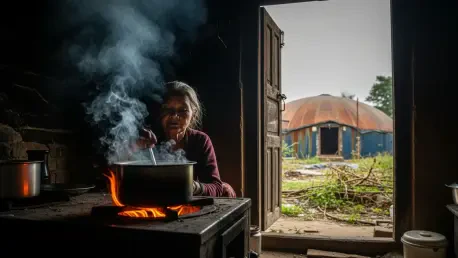
The most immediate cause of the program’s downfall is a widespread technical breakdown compounded by a near-total absence of support. The Kathmandu University study identified pervasive issues like cracked digesters and corroded pipelines in thousands of homes. While many of these problems are minor and easily fixable, a critical gap in the system’s design has rendered them fatal. The program failed to establish a local infrastructure of trained technicians and a reliable supply chain for spare parts. Consequently, when a simple component fails, households are left with no viable options for repair, forcing them to abandon the entire system and revert to traditional fuels.
How a Changing Rural Society Outgrew the Biogas Model
Beyond technical issues, profound socio-demographic shifts in rural Nepal have undermined the very foundation of the biogas model. The technology’s viability depends on a steady supply of livestock manure, a resource that is dwindling. The study found that 14% of households no longer own enough cattle to operate their plants. This is a direct consequence of widespread youth migration to urban centers and abroad, leading to smaller household sizes and a decline in traditional agricultural practices like livestock rearing. The biogas program was designed for a rural reality that, for many, no longer exists, creating a fundamental mismatch between the technology and the communities it was meant to serve.
Flawed by Design: Prioritizing Quantity Over Long-Term Quality
At its core, the program’s collapse was preordained by its flawed design. The heavy emphasis on upfront subsidies created a perverse incentive to maximize the number of installations without ensuring their long-term sustainability. This “build-and-forget” approach failed to foster an essential ecosystem for after-sales service, monitoring, and user support. Critically, the millions of dollars generated from carbon credit sales were not reinvested into building this support network. This strategic failure to plan for the entire lifecycle of the technology guaranteed that once the initial installation was complete, users were largely left on their own, transforming a public investment into a private burden.
The Future on the Brink: Reversion, Reform, or Total Collapse?
The future of Nepal’s biogas sector hangs precariously in the balance. The current trend is a costly regression, with households spending an estimated $5.2 million annually on imported LPG and contributing to a massive spike in CO₂ emissions from renewed firewood consumption. This trajectory not only derails national climate goals but also erodes public trust in green initiatives. Experts warn that without urgent and sweeping reforms, a complete collapse of the sector is imminent. The only alternative is a systemic overhaul focused on transparent, performance-based subsidies, expert-led interventions to salvage functional units, and the creation of robust local service networks to ensure longevity.
Forging a Path Forward: Key Lessons and Actionable Strategies
The systemic failure of Nepal’s biogas program offers critical lessons for future development projects. To salvage the remaining investment and rebuild trust, policymakers and development partners must pivot from a quantity-focused to a quality-centric approach. Key strategies include redesigning subsidies to be tied to long-term performance rather than just initial installation, and mandating that a portion of all future climate financing be allocated to building a permanent, localized maintenance and support infrastructure. Furthermore, launching a national campaign to assess, repair, and upgrade existing systems could revive thousands of units and create a skilled rural workforce, turning a past failure into a future opportunity.
Beyond Biogas: A Critical Lesson in Sustainable Development
The collapse of Nepal’s once-lauded biogas program is more than a story about failed technology; it is a stark reminder that sustainable development requires more than just hardware. The program’s demise underscores the profound importance of designing systems that are resilient to social change, supported by a durable service ecosystem, and aligned with the long-term needs of communities. As Nepal and other nations pursue ambitious climate goals, this costly failure serves as a critical lesson: innovation without infrastructure is a recipe for abandonment. True progress lies not in the number of units installed, but in the enduring value they deliver for years to come.