
Andhra Pradesh is embarking on a monumental overhaul of its energy sector, guided by a comprehensive strategy designed to champion sustainability while driving down costs for consumers and industries alike. At the heart of this transformation is the Accelerating Sustainable State Energy Transition Programme (ASSET), a detailed blueprint that establishes a clear trajectory towards a cleaner, more self-reliant energy future. The program’s core financial objective is remarkably ambitious: to slash the average power purchase cost to ₹4.20 per unit by 2030 and then further reduce it to an even more competitive ₹3.90 per unit by 2035. This initiative represents more than just a policy shift; it is a fundamental re-imagining of the state’s economic engine, positioning clean energy not as an alternative, but as the primary driver of future growth and stability. The strategy underscores a commitment to making power both environmentally responsible and economically accessible for all residents.
The Blueprint for a Sustainable Future
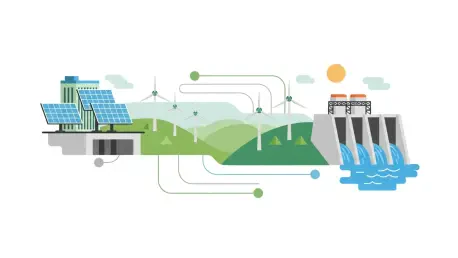
The state’s long-term vision is anchored in a deliberate and decisive shift away from fossil fuels toward a diverse portfolio of renewable resources. According to Special Chief Secretary for Energy K. Vijayanand, the overarching trend is one of economic expansion powered exclusively by clean energy. This strategic plan places a strong emphasis on harnessing the state’s abundant solar and wind potential, complemented by the reliability of hydropower. In this new energy paradigm, conventional thermal power plants will be strategically repositioned to serve a supporting role, primarily tasked with ensuring grid stability and balancing intermittent renewable generation rather than acting as the primary source of electricity. Furthermore, the state is proactively integrating emerging technologies like green hydrogen, signaling a forward-thinking approach that looks beyond current solutions to secure its net-zero emissions goal and guarantee low-cost power for all citizens by the 2035 deadline.
From Vision to On-the-Ground Action
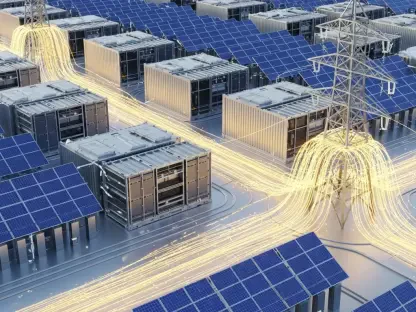
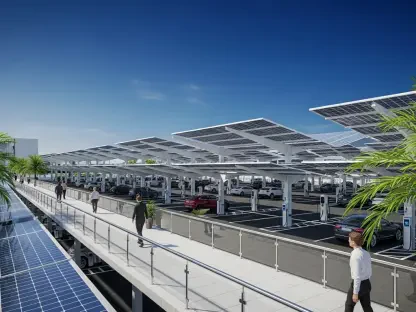
The ambitious goals set forth were translated into a series of tangible projects and technological upgrades across the state. A key initiative involved the provision of free daytime electricity to nearly 293,000 agricultural pumpsets, a move that directly supported the farming community while promoting the use of solar power during peak generation hours. Concurrently, an extensive program was launched to install 150 MW of solar capacity on government buildings, leveraging public infrastructure to contribute to the state’s renewable energy targets. To address the critical challenge of grid management, the development of a massive 1.50 GW/3 GWh battery energy storage system was initiated to improve load management and enhance reliability. On the technological front, efficiency and oversight were significantly bolstered through the implementation of an automated Energy Portfolio Management System at the State Load Dispatch Center, the widespread rollout of smart metering technology, and the strengthening of network monitoring systems to effectively combat power theft and reduce losses.