
For a city on the rise, a public transit system serves as the circulatory system, connecting residents to work, education, and community life, but what does it take for that system to not just keep pace with growth but to actively drive a more sustainable and efficient future? In Ames, Iowa, the answer is taking shape through a strategic infusion of federal support aimed at modernizing infrastructure and pioneering cleaner energy. A landmark $14.6 million grant from the Federal Transit Administration is now the catalyst for the next chapter of CyRide, the city’s public transit service. This investment is not merely about adding more buses; it is a fundamental reimagining of the system’s operational backbone and environmental footprint.
From a Local Bus Stop to a 14.6 Million Federal Investment How Ames is Reimagining its Ride
This significant federal funding marks a pivotal moment for Ames, directly addressing the question of how to build a resilient transit system. The grant, awarded through the competitive Bus and Bus Facilities Program, provides the necessary capital to launch two concurrent, high-impact initiatives. The investment is designed to overhaul CyRide’s physical infrastructure while simultaneously accelerating its transition toward cleaner, locally sourced fuel. This dual approach ensures that the system can handle increased demand today while laying a sustainable foundation for tomorrow.
The Growing Pains of a Modern Transit System
The need for such a comprehensive upgrade is rooted in CyRide’s success and the city’s expansion. The transit system has become an essential service for thousands of daily commuters, but its facilities have struggled to keep up. A workforce that has expanded by over 40% since 2008 has placed immense pressure on aging and undersized operational spaces. This scenario mirrors a broader trend seen in growing municipalities across the nation, where the demand for robust public services often outpaces the development of the infrastructure required to support them.
A Two Track Investment in a Cleaner More Efficient Future
The first track of this investment targets the system’s core infrastructure with a major facility expansion. This project will provide indoor storage for the entire bus fleet, protecting vehicles from harsh weather and extending their operational lifespan. Furthermore, the plan includes expanded maintenance capacity specifically designed to service larger, articulated buses and the growing fleet of clean-fuel vehicles. New administrative and training spaces will also be constructed to better support the growing team of transit professionals.
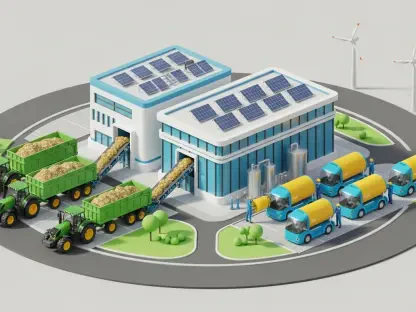
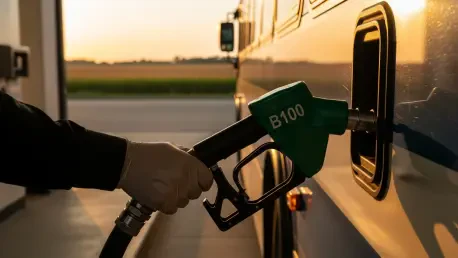
Simultaneously, the second track powers CyRide’s clean-fuel initiative by converting 20 diesel buses to run on 100% biodiesel (B100). This move builds on the proven success of an initial five-bus pilot program, which demonstrated both reliable performance and a significant reduction in emissions. To support this larger fleet, the project includes the installation of a dedicated underground fuel tank and on-site blending equipment, guaranteeing a consistent supply of B100 for year-round operation.
Voices from the Drivers Seat The Rationale Behind the Revitalization
According to Transit Director Barbara Neal, the decision to invest heavily in biodiesel offers a powerful combination of benefits. It represents a “practical, cost-effective way to lower emissions” while simultaneously “strengthening Iowa’s agricultural economy” by utilizing a fuel produced within the state. This strategy links urban transit needs with rural economic vitality, creating a synergistic relationship that benefits the entire region. The project’s viability was bolstered by broad support from a coalition of community, state, and industry partners, underscoring its alignment with shared priorities.
The Roadmap Ahead Turning Dollars into Daily Progress
The practical impact of the facility expansion will be felt immediately in daily operations. Modernized maintenance bays and secure indoor storage translate to more reliable service, reduced downtime for repairs, and better working conditions for employees. This modernized home base is the foundation upon which a more efficient and dependable transit system is built. In parallel, the conversion to B100 is more than an environmental statement; it is a tangible transition that transforms a successful pilot project into a core component of the CyRide fleet, setting a new standard for sustainable public transportation in the region.
This comprehensive revitalization project ultimately positioned CyRide not just as a service provider but as a community leader in sustainable innovation. The dual investment in modern infrastructure and clean energy provided a clear blueprint for how a mid-sized city could address the interconnected challenges of growth, environmental responsibility, and economic partnership. By strengthening its operational core and embracing a locally sourced fuel, Ames ensured its public transit system was well-equipped to serve the community for decades to come.