
A New Era of Energy Cooperation in the North Sea
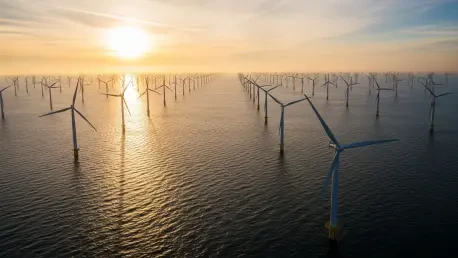
In a landmark move signaling a decisive shift in European energy policy, the United Kingdom has stepped into a leadership role for an ambitious nine-nation offshore wind project set to transform the North Sea into a green energy powerhouse. This multinational initiative aims to build a vast, interconnected network of wind farms by 2050, fundamentally reshaping regional energy security and accelerating the transition away from the volatile “fossil fuel rollercoaster.” This article will explore the monumental scope of this collaboration, delving into the innovative technologies driving it, the significant economic and political hurdles it faces, and its profound implications for the future of global renewable energy.
From National Grids to a Supranational Powerhouse
The North Sea has long been a hub of energy production, but its identity is rapidly evolving from a basin of oil and gas to the epicenter of Europe’s wind power revolution. For years, individual nations have developed their own offshore wind capacities, with the UK establishing itself as a major player, second only to China in installed capacity. However, these efforts have largely been siloed. The current project represents a paradigm shift, born from the urgent need for energy independence and price stability. It builds upon the proven success of existing undersea interconnectors, which have already saved UK consumers £1.6 billion over the last three years by allowing countries to share electricity, demonstrating that cross-border cooperation is not just feasible but financially beneficial.
The Hybrid Model: Ambition Meets Reality
The Promise of an Interconnected Grid
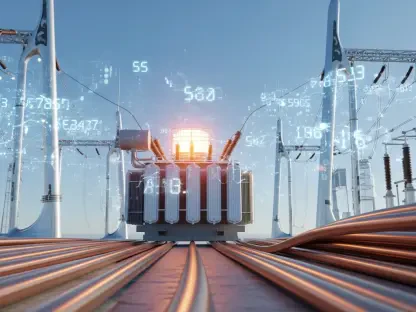
At the heart of this nine-nation agreement is the concept of “hybrid” offshore wind farms—a groundbreaking approach where a single wind farm is connected to the electricity grids of multiple countries. This integrated network, facilitated by advanced interconnectors, is designed to create a more resilient and efficient energy market. Proponents, including industry group RenewableUK and the UK’s National Grid, argue that this system will drive down consumer costs by enabling surplus power to be sold seamlessly across borders to where it is most needed. This not only smooths out price spikes but also reduces “constraint payments”—the costly fees paid to wind farms to shut down production when a single nation’s grid cannot handle the supply.
A Question of Sovereignty: Who Pays the Price?
Despite its potential benefits, the project has sparked significant controversy and opposition. A primary concern is that allowing wind farm operators to sell electricity to the highest bidder could inadvertently drive up prices for domestic consumers in the UK, especially during periods of high demand across Europe. This fear is not unfounded; Norway recently restricted its electricity exports and halted a new interconnector to Scotland after facing public backlash over rising domestic energy prices linked to its European connections. In the UK, this apprehension is echoed in the political sphere, with the Conservative party and the Shadow Energy Secretary warning that the rapid, large-scale expansion of wind power under this model could contribute to higher energy bills for households.
Geopolitics and Security in an Electrified Sea
The project’s complexities extend beyond economics into the realm of geopolitics and security. The agreement was forged amid heightened concerns about the vulnerability of critical offshore infrastructure to sabotage. Reflecting this reality, the summit included participation from NATO and the European Commission, with nations pledging to bolster the security of their shared energy assets. This united front on green energy and security presents a stark contrast to the political climate in other parts of the world, where figures like former U.S. President Donald Trump have renewed criticism of wind power. The initiative is a key part of a wider pledge by North Sea countries to develop 300 gigawatts (GW) of offshore capacity, with this specific deal accounting for 100 GW of that target, strategically positioning the region as a cohesive global leader in renewables.
Charting the Course to a 2050 Vision
Achieving this ambitious 2050 goal will require unprecedented technological innovation and regulatory alignment. The development of a truly integrated, multi-country grid in the harsh North Sea environment presents immense engineering challenges. Beyond the physical construction, the nine partner nations must harmonize their energy market regulations, grid codes, and security protocols to ensure seamless operation. The success of this project will likely spur further advancements in energy storage, smart grid technology, and long-distance power transmission, setting a new global standard for how developed nations can collaborate to build a secure, decarbonized energy future.
Balancing National Interest with Regional Ambition
The core takeaway from this initiative is the inherent tension between national energy needs and the benefits of a supranational green grid. While the potential for lower overall costs, enhanced energy security, and accelerated decarbonization is immense, policymakers must implement robust safeguards. To succeed, the project requires a sophisticated regulatory framework that protects domestic consumers from price volatility while still encouraging the cross-border trade that makes the system efficient. For businesses, this signals a massive investment opportunity in renewable technology and infrastructure, while for consumers, it promises a cleaner energy future, albeit one with legitimate questions about cost and control that must be addressed transparently.
The North SeFrom Fossil Fuel Basin to Europe’s Green Power Plant
The UK-led nine-nation North Sea project represented more than just an energy initiative; it was a defining geopolitical and economic statement for the 21st century. It successfully recast the North Sea as Europe’s collective green power plant, cementing a shared commitment to a sustainable and secure future. The long-term significance of this collaboration could not be overstated, as it served as a crucial test case for large-scale, cross-border renewable energy projects worldwide. As the world watched, the success of this monumental undertaking ultimately shaped the trajectory of the global energy transition for decades to come.