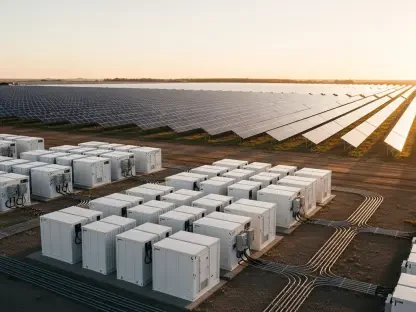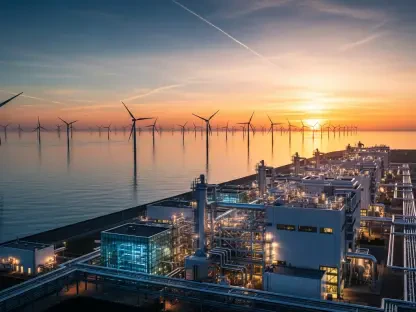

India is currently orchestrating a profound structural reorganization of its power sector by moving away from volatile global fossil fuel markets toward a self-sustaining, waste-driven bioenergy framework. This pivot to energy independence is no longer a peripheral environmental goal but a central pillar of national economic strategy. As the country grapples with the historical burden of fossil fuel import-dependency, Compressed Biogas (CBG) has emerged as the cornerstone of this transition. By converting organic waste into a high-value energy asset, the nation is building a waste-to-wealth economy that secures its borders against external supply shocks. This analysis explores the surge in institutional funding, the massive scaling of infrastructure, and the strategic pathways that are redefining the energy sovereignty of the region.
The Evolving Landscape of Biofuel Funding and Adoption
Growth Statistics: The Shift Toward Institutional Capital
The financial architecture of the biofuel sector is undergoing a sophisticated transformation, moving from reliance on government subsidies to the utilization of private credit markets. A notable milestone in this shift is the mezzanine funding recently secured by GPSR Arya from Axis AMC, signaling that institutional investors now view bioenergy as a bankable asset class. This transition is essential for fueling a project pipeline that requires a capital outlay of nearly $1 billion for nationwide infrastructure development. Moreover, the economic necessity of Renewable Natural Gas (RNG) is underscored by the ongoing volatility in LPG prices and the inherent risks of natural gas imports.
Strategic Partnerships: Real-World Implementation
Execution at scale requires more than just capital; it demands synergistic collaborations between innovative private firms and public sector giants. Partnerships with oil marketing companies like IOCL and BPCL provide the off-take guarantees and market stability necessary to de-risk large-scale investments. Technological benchmarks have already been established through projects like the Indore municipal solid waste plant, which serves as a blueprint for industrial-scale operations. Consequently, the sector is expanding from small-scale pilots to a massive network involving over 200 active sites, demonstrating an unprecedented level of operational maturity in the cleantech space.
Industry Perspectives: Cleantech Financing and Energy Security
Asset managers and financial strategists increasingly recognize biomethane as a strategic energy asset rather than a simple corporate social responsibility initiative. This shift in institutional confidence stems from the understanding that locally sourced feedstock provides a structural hedge against geopolitical instability. Unlike fossil fuels, which are subject to the whims of global trade disruptions, biofuels are insulated by the abundance of domestic organic waste. Experts argue that the primary challenge remains the capital-intensive nature of these projects, making sophisticated debt structuring and private capital the essential engines for achieving national decarbonization targets.
The Future Trajectory: India’s Biofuel Ecosystem
The horizon for biofuels extends beyond domestic heating and transport into the high-stakes arena of Sustainable Aviation Fuel (SAF). As the country positions itself as a global hub for aviation decarbonization, the infrastructure currently being built for CBG will serve as the foundational layer for more complex fuel synthesis. Beyond the energy balance, these projects deliver profound social and environmental dividends by modernizing waste management and slashing greenhouse gas emissions. However, the path forward involves navigating technical hurdles in feedstock logistics and ensuring that regulatory support keeps pace with rapid technological advancements at hundreds of different sites.
A New ErSustainable Energy Resilience
The transition toward a bio-based energy infrastructure represented a fundamental shift in how the nation approached its trade balance and industrial strategy. The successful integration of private credit and public-sector partnerships proved that sustainability and profitability could coexist within a robust regulatory framework. Stakeholders focused on standardizing feedstock supply chains and investing in local technical expertise to maintain this momentum. This transformation ultimately allowed the domestic economy to thrive by converting environmental challenges into a reliable source of clean, sovereign power. Such a strategic move insured the economy against external pressures while establishing a global standard for bio-based resilience.