
A landmark investment plan from Aslan Energy Capital is poised to transform Indonesia’s energy landscape, marking a decisive shift for a green hydrogen sector long overshadowed by its renewable counterparts. For years, green hydrogen has been hailed as a key solution for decarbonizing hard-to-abate industries, yet its commercialization has consistently lagged behind the explosive growth seen in solar and wind power. This is now changing. This analysis examines the market trends driving this shift, using Aslan Energy Capital’s Hidrogen Energi Mitra Utama (HEMU) project as a central case study to explore the path toward commercial viability and the future of hydrogen in the dynamic Asian market.
Market Momentum and Project Driven Growth
A Renewed Global Push for Hydrogen Energy
After years of slower growth compared to other renewables, global interest in hydrogen is experiencing a significant resurgence. This renewed enthusiasm is not just theoretical; it is being backed by substantial capital commitments and supportive international policies. Aslan Energy Capital’s planned 2026 Final Investment Decision (FID) for its Indonesian project serves as a key indicator of this revived investor confidence. It signals that the financial world is ready to bet on large-scale green hydrogen, marking a potential turning point for an industry on the cusp of a breakthrough.
This trend is not isolated. It mirrors a broader international movement toward embracing hydrogen as a cornerstone of future energy systems. For instance, the European Union is actively supporting the deployment of hydrogen infrastructure in regions like the Baltic Sea, creating a clear policy-driven demand. These parallel initiatives demonstrate a coordinated global push, creating a stable and predictable market environment that encourages ambitious, long-term investments like the HEMU project.
The HEMU Project: A Blueprint for Commercial Viability
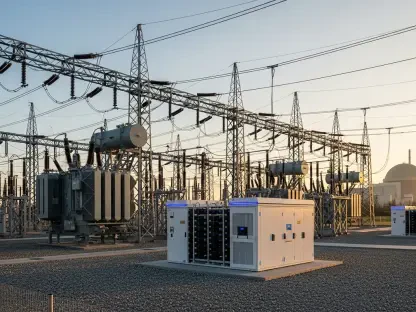
Aslan Energy Capital’s Hidrogen Energi Mitra Utama (HEMU) project offers a tangible blueprint for what large-scale green hydrogen development looks like in practice. It is a technologically advanced facility designed from the ground up for commercial success. The project’s scope is formidable, featuring 600 MW of electrolysis capacity that will be powered by a dedicated 1,200-MWh solar plant. Crucially, it integrates sophisticated energy storage systems to ensure a consistent and reliable hydrogen supply, overcoming the intermittency challenges often associated with renewable power sources.
The project’s most strategic feature, however, is its location. Situated near Batam, Indonesia, the facility is just 40 kilometers from the major energy and industrial hub of Singapore. This geographic proximity is a game-changer, as it directly confronts one of the most significant historical barriers to hydrogen adoption: the exorbitant cost and complexity of transportation. By co-locating production with a major demand center, HEMU effectively minimizes these logistical hurdles.
Strategic Insights on Overcoming Adoption Barriers
The strategy behind the HEMU project directly confronts the economic obstacles that have historically impeded green hydrogen’s progress, namely high operational, storage, and transportation costs. Aslan Energy Capital’s approach provides a masterclass in strategic design, turning a potential weakness into a core strength. The project’s central advantage is the co-location of large-scale production with a major energy consumer. This model dramatically reduces the logistical complexities and expenses tied to transporting hydrogen over long distances, thereby improving its commercial feasibility from day one.
Furthermore, the project is launching within an increasingly favorable ecosystem. Indonesia offers a supportive investment climate, actively seeking to leverage its renewable resources to become a key player in the global energy transition. This domestic support is amplified by strong regional demand for low-carbon energy sources, particularly from industrial powerhouses like Singapore. This convergence of strategic project design, government backing, and market demand creates a fertile ground for such an ambitious undertaking to succeed.
The Future Trajectory of Green Hydrogen
The successful implementation of the HEMU project holds the potential to establish Indonesia as a leading green hydrogen supplier in the expansive Asian market. By proving that large-scale, commercially viable green hydrogen production is achievable, this single project could catalyze a wave of similar investments across the region. This leadership position would not only advance Indonesia’s national renewable energy goals but also unlock significant new economic opportunities, from technology exports to the development of a skilled local workforce.
The broader implications of this trend are profound. As the HEMU model demonstrates a viable pathway to market, it can accelerate decarbonization efforts across Southeast Asia. The positive outcome is a commercially robust green hydrogen ecosystem where production scales, costs fall, and adoption widens. Future developments could see this co-location model replicated in other regions, connecting renewable-rich areas with nearby industrial centers and creating a network of hydrogen hubs that collectively power a cleaner economic future.
Conclusion: Igniting the Hydrogen Economy
The HEMU project is a tangible sign that green hydrogen’s commercial era has arrived. Its strategic design, which combines integrated technology with an ideal location, offers a compelling solution to long-standing economic barriers. This development, supported by renewed global market interest, signals a clear trend away from niche potential and toward mainstream reality. Projects like HEMU are no longer just concepts; they are the crucial catalysts transitioning the hydrogen conversation from what is possible to what is profitable. This strategic investment has lit a spark, and it may well be the one that ignites a vibrant and sustainable hydrogen economy across Asia.