
The escalating volatility of traditional electricity markets has transformed energy procurement from a back-office utility concern into a high-stakes chess match for modern industrial leaders. TCPL Packaging has signaled its proactive stance by moving away from total grid dependence with a strategic ₹10.9 million investment in Clean Max Hana. By acquiring a 26% stake in this solar initiative, the Mumbai-based packaging giant is not just buying power; it is securing a predictable, low-cost energy future in an increasingly expensive utility landscape.
Redefining the Bottom Line Through Sustainable Energy
The rising cost of conventional power is forcing manufacturers to choose between shrinking profit margins or radical operational innovation. For a company like TCPL, the decision to pivot toward renewable sources represents a shift in financial philosophy. This investment serves as a hedge against the inflationary pressure of fossil fuels, ensuring that their manufacturing costs remain stable even as national energy prices fluctuate.
Furthermore, this move aligns with a broader corporate evolution where sustainability becomes a primary competitive advantage. As global brands demand “green” supply chains, TCPL’s integration of solar power acts as a credential that strengthens its market position. The investment reflects a sophisticated understanding that environmental responsibility is no longer a peripheral ethical choice but a core prerequisite for long-term financial stability.
The Economic Necessity of the Captive Power Model
For heavy industries, energy often represents the second-highest operational expense, trailing only behind the cost of raw materials. The transition toward a captive power model—where a company owns a direct stake in its energy source—is becoming a vital strategy for Commercial and Industrial consumers to bypass rising grid tariffs. This structure allows TCPL to control its energy destiny rather than remaining a passive customer of traditional providers.
Moreover, the captive model provides a unique level of transparency and reliability that the standard grid cannot always guarantee. By becoming an equity partner in Clean Max Hana, TCPL ensures that a specific portion of the power generated is legally and physically dedicated to its facilities. This arrangement minimizes the risk of sudden price hikes or transmission inefficiencies that often plague regional electrical distribution networks.
Analyzing the 3.05 MW Solar Expansion in Uttarakhand
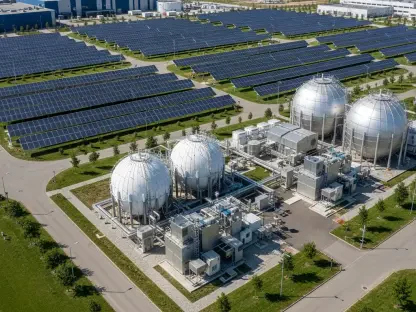
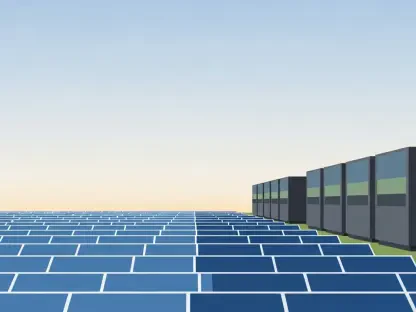
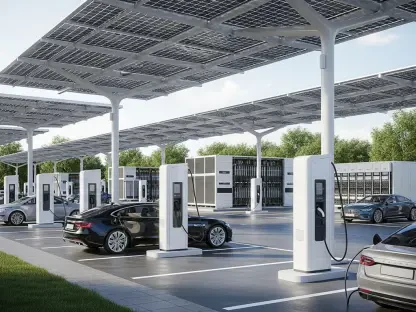
The centerpiece of this recent investment is a 3.05 MW solar project located in Uttarakhand, specifically designed to feed directly into TCPL’s operational grid. This project scales the company’s total rooftop solar capacity to a substantial 4,516 kW across its various manufacturing sites. While these installations currently provide about 5% of total energy, specific high-efficiency sites in Goa and Haridwar are already seeing solar contributions as high as 15%.
The technical success of these regional projects serves as a proof of concept for the wider organization. For instance, the Goa facility alone generates over one million units of clean energy annually, demonstrating the scalability of localized solar generation. As technology improves and the efficiency of solar panels increases, these hubs will likely become the primary energy drivers for the company’s heavy machinery and production lines.
Quantifying the Transition: Growth and Capital Allocation
Data from recent financial assessments reveals a company in the midst of an aggressive energy pivot, with renewable energy procurement jumping 50% during the current fiscal cycle. The numbers tell a story of rapid acceleration: total green energy consumption rose significantly from 6,590 gigajoules in previous years to 10,739 gigajoules in 2025. This trajectory indicates that the company is quickly outpacing its own historical sustainability benchmarks.
Perhaps most telling is the company’s capital allocation strategy, where 83% of the most recent fiscal year expenditure was dedicated specifically to environmental and social initiatives. This heavy weighting of capital toward green infrastructure suggests that management views renewable energy as the primary driver of their growth. It is no longer a small-scale pilot program but a foundational pillar of their business model.
A Roadmap for Integrating Renewable Energy into Industrial Operations
TCPL’s approach provides a replicable framework for other industrial players looking to decarbonize their manufacturing operations. The strategy began with a tiered rollout, utilizing localized rooftop solar to cover immediate auxiliary needs before moving into equity investments in larger off-site captive projects. This phased transition allowed the company to manage capital risks while gradually increasing its independence from the traditional power grid.
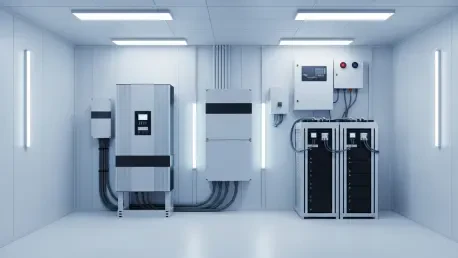
The path forward for industrial giants now involves deeper integration of storage technologies and decentralized microgrids. As TCPL continues to refine its energy mix, the next logical step included exploring battery storage to manage the intermittency of solar power. The leadership team successfully demonstrated that shifting to a renewable-first mindset was both an environmental necessity and a shrewd financial move that prepared the company for the decarbonized economy of the future.