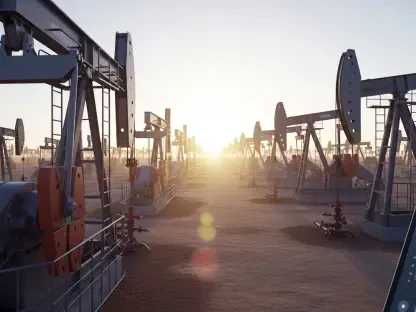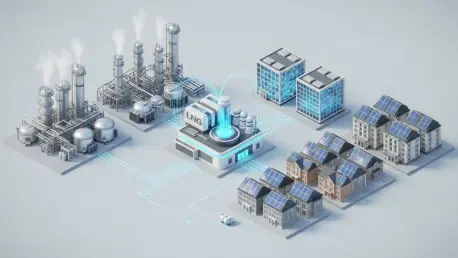

In a nation where industrial prowess and technological innovation place immense demands on a centralized power grid, South Korea is taking a decisive step toward a more distributed and resilient energy future. The Ministry of Climate, Energy and Environment recently announced the designation of three new decentralized energy special zones in the key industrial cities of Pohang, Ulsan, and Seosan. This expansion brings the total number of such zones to seven, building on a pioneering system introduced in 2024. These special zones are designed to function as localized energy ecosystems, enabling power to be generated and sold directly to businesses within the region, thereby bypassing the traditional national grid operated by Korea Electric Power Corporation. The core objectives behind this ambitious initiative are threefold: to alleviate the growing strain on the country’s national power infrastructure, to provide key industries with more stable and cost-effective electricity, and to stimulate regional economic development by localizing both energy production and consumption.
Strategic Implementation and Localized Ambitions
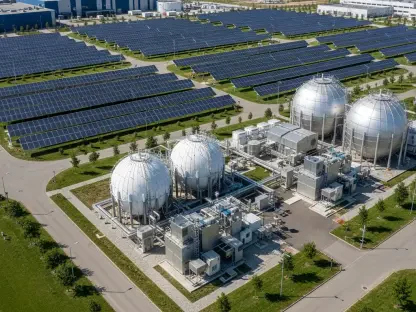
The approval of Pohang, Ulsan, and Seosan followed the submission of comprehensive, long-term plans by their respective local governments, each outlining a unique strategy for incorporating renewable and alternative energy sources. Pohang is set to leverage a cutting-edge 40-megawatt fuel cell plant that runs on green ammonia, a move designed to supply carbon-free electricity directly to the region’s burgeoning secondary battery manufacturing sector. In Ulsan, the focus is on stability and competitive pricing for its critical petrochemical industry, SK facilities, and Amazon’s power-hungry AI data centers. The city will initially utilize a 300-megawatt LNG plant to ensure a reliable power supply, with a clear roadmap for a gradual transition toward renewables and green hydrogen. Seosan, meanwhile, will also power its local petrochemical complexes with an LNG plant but has distinguished its approach with a strong community-centric model. A portion of the revenue generated from the energy sales will be reinvested directly into surrounding villages to fund solar panel installations on public buildings and upgrade essential electrical transformers, ensuring that the benefits of industrial energy production are shared with the local populace.
A Blueprint for a Resilient Energy Future
The designation of these three industrial hubs marked a significant acceleration of South Korea’s national energy policy, underscoring a commitment to decentralizing power demand away from the heavily concentrated capital region. The government established a framework for actively monitoring the progress within these zones, viewing them as test beds for innovative energy solutions and regional economic revitalization. The tailored strategies adopted by Pohang, Ulsan, and Seosan were seen not merely as isolated projects but as integral components of a broader national vision. This expansion, coming just a year after the system’s inception, signaled a decisive shift from a monolithic, centrally controlled power infrastructure to a more flexible and robust network of self-sufficient energy hubs. This strategic pivot was intended to create a more resilient national grid, foster innovation in clean energy technologies, and empower local economies by giving them greater control over their energy resources and costs, ultimately laying the groundwork for a more sustainable industrial landscape.