
A transformative initiative in Telangana is turning the smoke-filled skies from seasonal crop burning into a clean energy source for heavy industry, creating a circular economy that benefits both factories and farms. This innovative project, spearheaded by Sagar Cements in partnership with climate-tech firm Sow & Reap Chara, addresses two of the region’s most pressing environmental issues simultaneously: industrial carbon emissions and agricultural pollution. By converting farm waste into fuel, the collaboration sets a powerful precedent for sustainable industrial practices.
Addressing a Dual Environmental Challenge
The cement industry is notoriously carbon-intensive, contributing significantly to global greenhouse gas emissions through its high-energy production processes. Concurrently, rural communities grapple with the environmental and health impacts of burning agricultural residue, a practice that releases harmful pollutants into the atmosphere. This project confronts these twin dilemmas head-on by creating a symbiotic relationship where the waste from one sector becomes a valuable resource for the other.
This convergence of industrial need and agricultural surplus offers a practical solution. Instead of being incinerated in open fields, crop waste like cotton stalks is now collected and repurposed. The initiative not only provides Sagar Cements with a cleaner, alternative fuel source but also offers farmers a new revenue stream for materials they once discarded, tackling economic and environmental challenges in a single, integrated strategy.
A Strategic Partnership for a Circular Economy
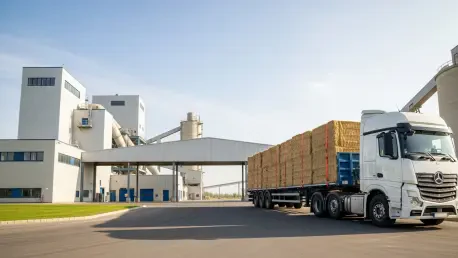
At the heart of this transformation is a 10-year alliance between Sagar Cements and Sow & Reap Chara, centered at the cement maker’s facility in Mattampally. This long-term commitment underscores a shared vision for sustainable industrial operations. The partnership formalizes the collection of agricultural biomass from villages within a 20-kilometer radius, establishing a localized supply chain that is both efficient and community-focused.
The goal is to create a closed-loop system where local resources are used to power local industry, and the byproducts are returned to the community to enhance agricultural productivity. This model moves beyond simple waste management, building a resilient economic and environmental framework that strengthens the relationship between industry and agriculture.
From Farm Residue to Fuel and Fertilizer
The project’s core technology is an advanced gasification process that transforms raw agricultural waste into two high-value products. In this process, the biomass is heated in a low-oxygen environment, breaking it down without combustion. This thermochemical conversion is the key to unlocking the stored energy within the crop residue in a clean and efficient manner.
The process yields two distinct outputs. The first is syngas, a clean-burning fuel that is piped directly into the cement plant to supplement its energy needs, reducing its reliance on fossil fuels. The second is biochar, a stable, carbon-rich solid. This material is not a waste product but a valuable soil amendment, which is then distributed back to the local farmers to improve soil fertility and water retention.
The Economic Model Driving Sustainability
The financial viability of this ambitious project is anchored in the generation of carbon credits. By preventing the release of methane from decomposing crop waste and displacing the use of conventional fuels, the initiative quantifies its environmental impact in the form of tradable carbon credits. This mechanism provides a crucial revenue stream that underpins the economic sustainability of the entire operation.
With all 20 processing units fully operational, the project is projected to abate approximately 160,000 tonnes of carbon dioxide equivalent annually. The goal of generating nearly one million carbon credits within a five-year period not only ensures the project’s financial health but also makes it an attractive model for investors and other industrial players looking to decarbonize their operations through market-based solutions.
A Blueprint for Nationwide Decarbonization
The phased rollout, beginning with four units and scaling up to 20, demonstrates a scalable and replicable framework for other industrial facilities. Each unit, representing an investment of ₹14 crore, is designed to process 15,000 tonnes of biomass and produce 3,750 tonnes of biochar annually. The success of the Mattampally plant is poised to serve as a blueprint for Sagar Cements’ other manufacturing sites across the country.
This initiative established a powerful new model for sustainable industrialization. By creating tangible value for farmers from agricultural waste, reducing the carbon footprint of cement production, and mitigating air pollution, the project provided a holistic solution with far-reaching benefits. It demonstrated that economic growth and environmental stewardship can be pursued in tandem, offering a clear and actionable path toward a greener industrial future.