
The global shift toward electric vehicles has reached a critical juncture where the simple act of replacing internal combustion engines is no longer sufficient to guarantee environmental success. As millions of new electric cars hit the roads, the underlying energy infrastructure faces a looming crisis of sustainability and capacity. True e-mobility requires more than just high-capacity batteries; it demands a fundamental restructuring of how we harvest, store, and distribute energy to ensure that the “green” revolution does not inadvertently rely on a carbon-heavy grid. This review examines how integrated clean energy ecosystems are solving the paradox of powering modern transportation without compromising ecological integrity.
Evolution of Integrated Clean Energy in Transportation
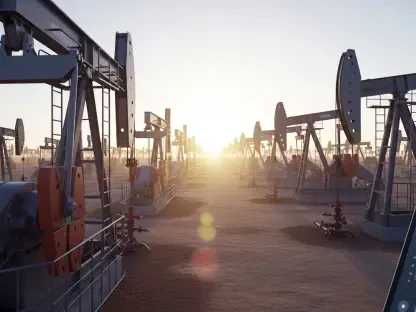
Modern e-mobility has transitioned from a niche segment into a massive industrial movement characterized by the convergence of power generation and vehicle operation. In the past, these two sectors functioned in silos, but the recent push for energy security has forced them together. By domesticating energy production through renewable sources, nations are finally breaking their historical dependence on volatile fossil fuel markets.
This evolution is driven by the realization that an electric vehicle is only as clean as the electricity used to charge it. Consequently, the industry is moving away from basic grid-tethered charging toward holistic systems where energy is produced at the point of need. This context marks a shift toward total energy independence, turning the transportation sector into an active participant in the energy market rather than just a passive consumer.
Key Pillars of Sustainable E-Mobility Infrastructure
Renewable Energy Integration: Solar and Wind
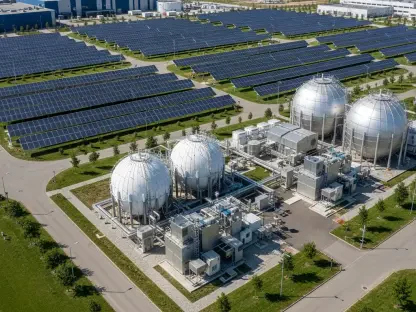
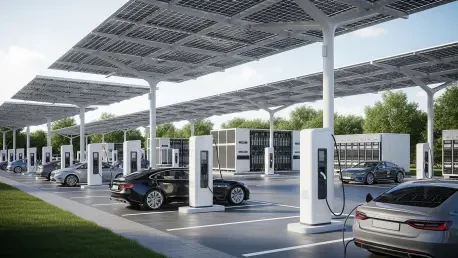
Large-scale solar and wind farms now serve as the primary engines for decarbonizing the transport sector. These systems are being designed to feed directly into charging networks, effectively neutralizing the carbon footprint of every mile driven. This integration matters because it addresses the core criticism of electric vehicles—that they merely shift emissions from tailpipes to smokestacks. By utilizing localized renewable assets, companies can provide a transparent and verifiable green supply chain.
Advanced Energy Storage and Green Hydrogen
The intermittent nature of sun and wind requires a robust buffer to ensure reliability. Advanced battery storage systems and green hydrogen production act as “energy reservoirs,” capturing excess power during peak production and releasing it during high-demand periods. This “round-the-clock” capability is what makes renewable e-mobility a viable competitor to traditional fuels. Unlike competitors who rely solely on the lithium-ion grid, the inclusion of hydrogen offers a scalable solution for heavy-duty logistics and long-haul transit.
AI-Driven Smart Grids and Predictive Analytics
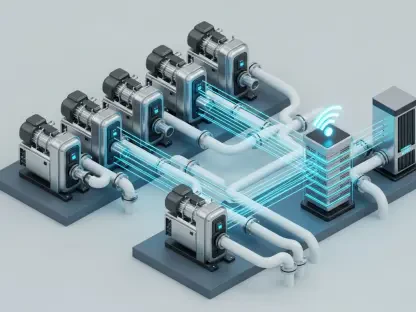
Managing thousands of decentralized charging points requires a level of precision that human operators cannot achieve. AI-led optimization now balances energy consumption in real-time by predicting when fleets will need a charge and where the grid has surplus capacity. This digital layer is unique because it prevents grid overloads and reduces costs for users. Instead of a static delivery system, the smart grid acts as a living organism that adapts to the ebb and flow of urban movement.
Emerging Trends in Renewable Power Distribution
Current developments highlight a clear move toward scalable, integrated ecosystems that combine multiple clean energy sources within a single regional framework. The trend is shifting from centralized power plants toward a distributed model where neighborhoods and industrial parks produce their own fuel. This democratization of energy ensures that even remote areas can support high-speed charging without massive investments in new cross-country transmission lines.
Real-World Applications and Industrial Implementations
In rapidly developing markets like India, the transport sector is becoming a proving ground for these integrated platforms. Mass transit systems and commercial logistics firms are leading the transition by replacing diesel buses and trucks with renewable-powered electric alternatives. These implementations demonstrate that clean energy is not just an environmental choice but a financial one, as the lower operating costs of electric fleets provide a significant competitive advantage.
Challenges to Widespread Adoption
Despite the progress, technical hurdles remain, particularly the unprecedented surge in electricity demand that threatens to overwhelm existing infrastructure. Many current grids are still tethered to carbon-heavy legacy systems that lack the flexibility required for rapid EV scaling. Furthermore, navigating complex regulatory landscapes and market obstacles can slow the deployment of high-voltage charging networks, often creating a bottleneck that delays the transition from fossil fuels.
Future Outlook and Technological Trajectory
The trajectory of this technology points toward a future defined by total energy self-reliance and the realization of zero-emission mobility goals. We are likely to see breakthroughs in energy density and modular infrastructure that will make charging as fast and convenient as traditional refueling. As these systems mature, the distinction between a power utility and a transportation provider will continue to blur, creating a unified global energy network.
Final Assessment of Renewable E-Mobility
The synchronization of clean energy production with mobility demands was found to be the only viable path forward for global sustainability. This review demonstrated that the success of electric vehicles depended less on the cars themselves and more on the intelligence of the infrastructure supporting them. Moving forward, stakeholders should prioritize the deployment of decentralized microgrids and investment in diverse storage technologies. Developing standardized regulatory frameworks will also be essential to facilitate the rapid expansion of these clean energy ecosystems. Ultimately, the long-term impact of these solutions was to provide a resilient foundation for global energy security and environmental health.