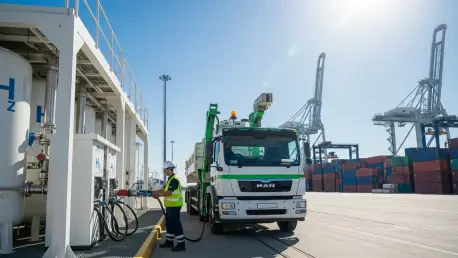

In a landmark move set to redefine sustainable industrial operations, the bustling port of Walvis Bay in Namibia has inaugurated one of Africa’s first fully integrated commercial green hydrogen production facilities. This pioneering project, which came online following its initiation in late 2025, represents a significant step forward in the global effort to decarbonize heavy industry and logistics. By harnessing the nation’s abundant renewable resources, this facility is not just powering port machinery; it is charting a new course for economic development and environmental stewardship on the continent, demonstrating a viable path for emerging economies to become leaders in the clean energy transition.
A New Dawn for African Green Energy
The Technology Behind the Transformation
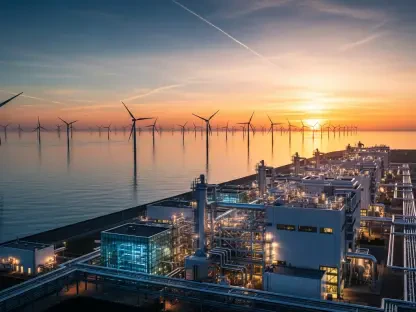
At the heart of this groundbreaking initiative is a state-of-the-art 5 MW electrolysis system, a sophisticated piece of technology designed for both efficiency and durability. This system, developed through a strategic partnership between Plug Power and Cleanergy Solutions Namibia, operates exclusively on renewable electricity sourced from nearby solar and wind installations, capitalizing on the region’s exceptional natural energy potential. The core process involves using this clean electricity to split water molecules into hydrogen and oxygen, a process that produces zero carbon emissions. The plant is engineered to generate approximately two tonnes of high-purity green hydrogen each day. Housed within a structure comparable in size to a small warehouse, the facility’s modular design ensures operational longevity and simplifies maintenance, allowing for the easy replacement of components and guaranteeing a consistent supply of clean fuel for the demanding environment of a major commercial port. This self-contained ecosystem serves as a powerful testament to the practical application of green hydrogen technology in an industrial setting.
The green hydrogen produced daily at the Walvis Bay facility has an immediate and transformative impact on the port’s operational carbon footprint. This clean energy source is used to power a fleet of over 40 heavy-duty vehicles, a critical component of port logistics that has traditionally relied on fossil fuels. The fleet includes essential equipment such as large yard trucks responsible for moving shipping containers and massive cargo cranes that load and unload vessels. By transitioning these vehicles to run on hydrogen fuel cells, the project directly displaces significant quantities of diesel, drastically reducing harmful emissions of carbon dioxide, nitrogen oxides, and particulate matter. This switch not only contributes to cleaner air quality in the surrounding area but also demonstrates the commercial viability of hydrogen as a direct substitute for conventional fuels in hard-to-abate sectors. The initiative successfully proves that decarbonizing heavy-duty transportation is achievable today, providing a tangible model for ports and industrial centers worldwide that are grappling with similar environmental challenges.
Strategic Implications and Market Entry
The launch of the Walvis Bay plant signifies a pivotal moment for Plug Power, marking its strategic entry into the promising Sub-Saharan African market. The company views the continent’s vast, largely untapped solar and wind resources as a crucial opportunity for future growth and a key battleground in the global transition to clean energy. This project serves as a powerful and successful proof-of-concept, showcasing the technical and economic feasibility of deploying advanced green hydrogen production systems in regions characterized by strong renewable potential. Moreover, the project’s success underscores the importance of a supportive regulatory environment and strong government backing, which were instrumental in bringing this vision to fruition in Namibia. By establishing a tangible operational footprint, the company has created a powerful case study that it can leverage to pursue further expansion across the continent, positioning itself as a key partner for nations looking to harness their renewable wealth to build sustainable, future-proof economies and energy systems.
Beyond its immediate operational benefits, the Walvis Bay project is strategically positioned to elevate Namibia’s role in the rapidly expanding global green energy market. The partners are already exploring ambitious plans for the future, which include exporting surplus hydrogen to international markets. A key pathway for this is the conversion of green hydrogen into ammonia, a stable and easily transportable carrier. Green ammonia has immense potential as a carbon-free marine fuel for the global shipping industry and as a primary ingredient for producing sustainable fertilizers, addressing critical needs in both the logistics and agriculture sectors. This export-oriented strategy could unlock significant streams of foreign investment, driving further economic diversification and industrial development within Namibia. By becoming a reliable supplier of green ammonia, the nation could establish itself as a key node in the new global energy supply chain, transforming its natural resources into high-value products and securing a competitive advantage in a decarbonizing world.
Fostering Local Growth and Future Expansion
Economic Impact and Workforce Development
The development and operation of the green hydrogen plant have already yielded substantial economic benefits for the local community and the broader Namibian economy. The construction and commissioning phases of the project created a significant number of jobs, with approximately 150 direct employment opportunities and an additional 200 indirect jobs generated through the supply chain and related support services. These roles span a range of skill levels, from construction and engineering to technical operations and administrative support, providing a vital economic stimulus to the Walvis Bay region. The project represents a significant investment in local infrastructure and human capital, offering new career pathways in a cutting-edge, high-growth industry. This direct economic injection not only supports local livelihoods but also helps build a robust industrial ecosystem around the burgeoning green hydrogen sector, creating a ripple effect that strengthens other parts of the local economy and fosters sustainable, long-term prosperity.
Recognizing that sustainable industrial development requires a skilled workforce, Cleanergy Solutions Namibia has proactively engaged in building local capacity for the hydrogen economy. In a forward-thinking collaboration, the company is partnering with local vocational training centers and educational institutions to develop specialized curricula focused on hydrogen technology, safety protocols, and plant maintenance. This initiative is designed to cultivate a new generation of technicians, engineers, and operators who are well-versed in the intricacies of the green hydrogen industry. By investing in education and skills development, the project ensures that the local population is not just a passive beneficiary but an active participant in this technological revolution. This focus on human capital development is crucial for the long-term success and scalability of Namibia’s hydrogen ambitions, creating a sustainable talent pipeline that can support future projects and cement the nation’s reputation as a center of excellence for clean energy innovation in the region.
A Blueprint for a Greener Tomorrow
Building on the initial success of the 5 MW facility, the project partners are already advancing plans for a second phase, demonstrating their strong confidence in the venture’s scalability and long-term viability. This ambitious expansion aims to double the plant’s hydrogen production capacity to 10 MW, significantly increasing the supply of clean fuel for both domestic use and potential export. A core component of this next stage is the integration of dedicated ammonia production facilities directly on-site. This strategic addition will enable the efficient conversion of green hydrogen into green ammonia, a crucial step toward tapping into the global market for carbon-neutral shipping fuels and sustainable fertilizers. The second phase represents a calculated move to scale operations, enhance economic returns, and solidify the port’s role as a comprehensive green energy hub, capable of serving multiple downstream markets and driving further industrial decarbonization.
The Walvis Bay green hydrogen project stands as a powerful and replicable model for other emerging economies seeking to leverage their renewable resources for sustainable development. It provides a comprehensive blueprint for decarbonizing hard-to-abate sectors, particularly in critical infrastructure like shipping ports and heavy industry, which are major sources of global emissions. The project successfully illustrates how a combination of advanced technology, strategic international partnerships, and proactive government support can create a virtuous cycle of environmental progress and economic growth. By proving that green hydrogen can be produced and utilized commercially in an industrial setting, Namibia has created a clear and inspiring roadmap for other nations. This initiative highlights the immense potential for green hydrogen to not only meet climate goals but also to unlock new economic opportunities, foster energy independence, and position developing nations at the forefront of the global clean energy transition.
A Milestone in Decarbonization
The successful commissioning of the Walvis Bay hydrogen plant was a definitive achievement that moved the conversation around green energy from theoretical potential to tangible reality. It established a new benchmark for integrating renewable power directly into the heart of heavy industrial operations, proving that decarbonization was not only possible but commercially viable in one of the world’s most challenging sectors. The project stood as a testament to effective public-private collaboration, showcasing how international technological expertise could merge with local resources and government vision to create a project with lasting impact. By powering its port with domestically produced clean fuel, Namibia not only reduced its carbon footprint but also catalyzed a new economic pathway, laying the foundation for a skilled workforce and a future as a key player in the global green energy supply chain.