I’m thrilled to sit down with Christopher Hailstone, a seasoned expert in energy management and renewable energy, whose deep knowledge of electricity delivery and grid reliability offers a unique perspective on the evolving electric vehicle landscape. With a career dedicated to advancing sustainable energy solutions, Christopher provides invaluable insights into the ambitious plans of major automotive players like Maruti Suzuki. Today, we’ll dive into their bold strategy to launch a comprehensive electric vehicle lineup, build an extensive charging network, and foster customer confidence through innovative technology and safety milestones. We’ll explore the intricacies of their ecosystem readiness, workforce training, and the challenges and triumphs behind their pioneering efforts.
Can you shed light on Maruti Suzuki’s decision to launch their electric vehicle journey with the e Vitara in 2026? What factors likely influenced this timeline and choice of model, and what might have been some pivotal moments in its development?
Absolutely, I’m glad to unpack this. The decision to launch with the e Vitara in 2026 likely stems from a mix of market readiness and technological maturity. Maruti Suzuki probably analyzed the growing demand for SUVs in India, alongside the increasing acceptance of electric vehicles, and saw an opportunity to combine these trends with a model that could stand out in a competitive segment. The timeline also suggests they’re aligning with advancements in battery tech and cost reductions, which are crucial for making EVs more accessible by mid-decade. Developing an electric SUV like the e Vitara isn’t a walk in the park—I can imagine the team faced hurdles like optimizing battery integration for weight balance without sacrificing interior space. I’ve heard whispers from industry circles about the late-night testing sessions in extreme conditions, pushing the prototype to its limits to ensure reliability. One breakthrough probably came when they nailed the range optimization, reducing anxiety for potential buyers. It’s that kind of persistence that turns a concept into a market-ready vehicle, and I’m excited to see how it resonates with customers.
How do you see Maruti Suzuki’s ambitious plan to set up over 1 lakh charging stations by 2030 taking shape, especially with their strategy of partnering with dealers and charge point operators? What’s the bigger picture here?
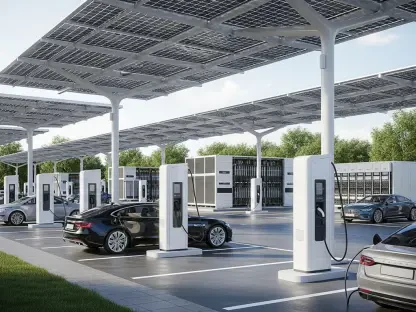
That’s a massive goal, and it’s clear Maruti Suzuki is thinking beyond just selling cars—they’re building an entire ecosystem. Partnering with their extensive dealer network and charge point operators is a smart move because it leverages existing infrastructure and local expertise to scale quickly. The bigger picture is about accessibility; with over 1 lakh stations by 2030, they’re aiming to blanket India with charging options, making EV ownership practical even in smaller towns. I envision a phased rollout—starting with urban hubs and key highways, then trickling down to rural areas as adoption grows. I’ve seen similar strategies in other markets, and one thing that stands out is how dealers can act as community anchors, educating locals about EVs. Imagine a small dealership in a tier-two city hosting a charging station and turning curious visitors into buyers. The challenge will be ensuring consistent quality and uptime across such a vast network, but if they pull it off, they could redefine how Indians perceive electric mobility.
With over 2,000 charging points already installed across 1,100-plus cities, how do you think Maruti Suzuki pinpointed the top 100 EV markets and inter-city routes for this initial rollout? What kind of data or surprises might have guided this?
That’s an impressive start, and it shows serious intent. Identifying the top 100 EV markets likely involved a deep dive into demographic data, vehicle registration trends, and urban growth patterns—basically, zeroing in on cities with high disposable incomes and early adopters. For inter-city routes, they probably mapped high-traffic corridors where long-distance EV travel would be most feasible, ensuring drivers aren’t stranded mid-journey. I’d wager they used real-time traffic analytics and even surveyed potential EV buyers to predict demand hotspots. A surprise might have been feedback from early users in smaller cities, where enthusiasm for EVs outpaced expectations—I’ve heard of cases where drivers in less urban areas were more eager for charging points due to fewer fuel alternatives. It’s a reminder that EV adoption isn’t just a big-city story. Watching how they adapt to such insights will be fascinating, as it’s those unexpected patterns that often shape the best strategies.
Maruti Suzuki’s ₹250 crore investment in charging infrastructure and the ‘e for me’ app caught my attention. How do you think this app addresses customer pain points, and what does this investment signal about their vision?
That ₹250 crore investment is a loud statement—they’re not just dipping their toes into the EV space; they’re diving in headfirst. The ‘e for me’ app is likely designed to tackle range anxiety, a huge barrier for EV adoption, by helping users locate nearby charging points, check availability, and maybe even plan routes based on battery levels. I can picture a driver on a highway, sweating a low battery warning, and this app popping up with the nearest station just 10 kilometers away—it’s that kind of reassurance that builds trust. Beyond the tech, this investment signals a commitment to a holistic experience, tying infrastructure to customer support. I’ve seen similar apps transform user behavior in other regions, like a colleague who swore off EVs until a navigation tool made charging seamless. It’s about making the shift to electric feel as natural as filling up at a gas station, and Maruti Suzuki seems to get that.
Training a 1.5 lakh-strong EV-ready workforce sounds like a monumental task. Can you walk us through how Maruti Suzuki might be approaching this, and why it’s so critical to their EV push?
It’s a colossal undertaking, but absolutely essential for their EV ambitions. I imagine they’re rolling out specialized training programs focusing on EV technology, battery management, and customer service tailored to electric vehicle nuances—think workshops where technicians learn to diagnose battery issues or salespeople explain charging logistics. This workforce of 1.5 lakh isn’t just about numbers; it’s about creating a network of ambassadors who can demystify EVs for hesitant buyers. It’s critical because trust in the technology hinges on having knowledgeable staff at every touchpoint, from showrooms to service centers. I recall a story from a friend in the industry about a trainee who, after just a few sessions, helped a skeptical customer understand EV maintenance so well that they drove off with a deposit the same day. That human element—confidence and competence—can make or break adoption rates. I’d bet they’re tracking progress through certifications or customer feedback, ensuring this army is battle-ready for the EV surge.
The e Vitara earning a 5-star Bharat NCAP safety rating is a huge win as the first electric SUV in India to achieve this. What do you think went into securing this milestone, and what challenges might the team have faced?
That 5-star rating is a feather in their cap, and it’s no small feat for an electric SUV. Achieving this likely meant meticulous design—reinforcing the chassis to handle the heavier battery pack while ensuring crash energy is absorbed without compromising the cabin. Testing would’ve been rigorous, simulating everything from frontal impacts to side collisions, probably late into the night at proving grounds under grueling conditions. I can almost hear the engineers debating over simulation results, tweaking materials to shave off weight without sacrificing strength. One big challenge might’ve been integrating safety features like airbags and stability control with the EV’s unique architecture—batteries change the game in terms of weight distribution. Overcoming that probably took innovative solutions, like repositioning components or using advanced composites, which isn’t just engineering; it’s art. This rating isn’t just a badge—it’s a signal to buyers that safety isn’t an afterthought in their EV journey, and that builds immense trust.
Looking ahead, what’s your forecast for the impact of Maruti Suzuki’s EV strategy on India’s electric mobility landscape?
I’m bullish on the ripple effects of Maruti Suzuki’s strategy. With their scale and focus on ecosystem readiness—like the 1 lakh charging stations by 2030 and a trained workforce of 1.5 lakh—they’re poised to accelerate EV adoption beyond urban elites to the mass market. Their approach could pressure competitors to up their game, driving down costs and spurring innovation across the industry. I foresee a scenario where, by the end of the decade, EVs aren’t just an option but a default for many Indian buyers, especially if charging becomes as ubiquitous as fuel pumps. The challenge will be maintaining quality as they scale, but if they do, they could transform how millions commute. It’s thrilling to think of dusty highways dotted with charging points, turning skepticism into curiosity—I can’t wait to see that future unfold.