
The iconic three-pointed star, long a symbol of automotive luxury, is now charting a course toward mainstream electric mobility, powered by a landmark partnership that could reshape the industry’s supply chain for years to come. In a decisive move that signals a major strategic pivot, South Korean battery giant LG Energy Solution has finalized a deal valued at approximately $1.4 billion to supply electric vehicle batteries to Mercedes-Benz. This agreement is not merely an extension of their existing collaboration; it represents a fundamental shift in focus from the premium, high-performance segment to the burgeoning market for accessible, everyday EVs. The significance of this handshake extends far beyond the impressive financial figure, addressing one of the most critical challenges in the electric transition: securing a stable, long-term supply of cost-effective batteries needed to make EVs a viable option for the average consumer.
Beyond the Luxury Lot
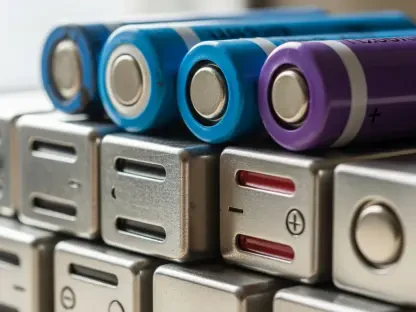
This latest chapter in the collaboration between LG Energy Solution and Mercedes-Benz deepens their alliance significantly. Previous arrangements centered on supplying high-performance 46-series cylindrical batteries, the kind of technology destined for top-tier luxury models with demanding performance requirements. This long-standing trust provided the groundwork for a more expansive agreement aimed at a different, and much larger, market segment.
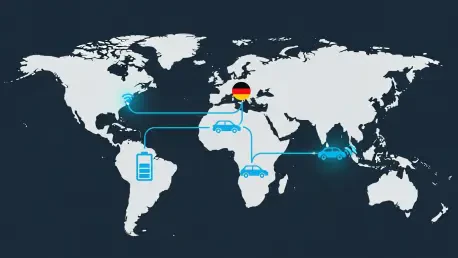
The deal is also a reflection of a broader industry trend where automakers are racing to lock down their battery supply chains. In a market characterized by volatile material costs and intense competition, a predictable supply is paramount. By securing a massive volume of batteries through June 2035, Mercedes-Benz mitigates future production risks and gains a crucial advantage in its quest to bring a wider range of electric vehicles to showrooms across North America and Europe.
A Foundation for Powerhouse Partnership
The agreement’s scope is both financially and logistically vast. The $1.4 billion commitment covers a seven-year supply period, beginning in March 2028 and concluding in June 2035. This long-term horizon provides immense stability for both parties, allowing for strategic planning and investment in production capacity to serve the key markets of North America and Europe, where EV adoption rates are accelerating.
At the heart of this deal is a strategic pivot from premium niche to mass market. While past agreements powered the pinnacle of Mercedes’ electric lineup, this new supply will fuel the brand’s upcoming mid-range and entry-level models. This move is directly tied to the automaker’s updated electrification roadmap, which includes the launch of over 40 new EV models by 2027. Securing this battery supply is a critical enabler for that expansion, allowing Mercedes-Benz to translate its brand prestige into a more accessible price point.
Anatomy of the Landmark Agreement
From a market perspective, this agreement can be seen as a strategic countermove in the global battery wars. South Korean producers like LG are actively working to reclaim market share, particularly from Chinese competitors who have made significant inroads with cost-effective lithium iron phosphate (LFP) batteries. LG’s ability to offer a diverse product portfolio, including its own LFP solutions tailored for mass-market vehicles, was a key factor in securing this contract.
Industry observers view the deal as a major validation of LG’s technology and a powerful reinforcement of its global competitiveness. By securing Mercedes-Benz as a key customer for over a decade, LG not only guarantees a significant revenue stream but also solidifies its position as a preferred supplier for legacy automakers undertaking ambitious electrification efforts. This long-term commitment strengthens the alliance, making it a formidable force in the industry.
The Global Battery Battleground
For consumers, the most tangible impact of this deal could be the sight of a more affordably priced Mercedes-Benz EV. A stable supply of cost-effective batteries is the primary enabler of lower vehicle price tags, potentially bringing the quality and prestige of the Mercedes brand within reach of a broader audience. This translates to a wider range of electric options from a trusted luxury nameplate.
For the wider EV market, this high-value, long-term contract signals a new era of maturity. The focus is clearly shifting from niche, high-performance vehicles to the complex challenge of mass production for the mainstream market. By locking in essential components years in advance, automakers and suppliers are building the resilient supply chains needed to meet future demand, ensuring the electric transition can maintain its momentum.
The Road Ahead for Drivers and the Industry
Ultimately, this $1.4 billion agreement did more than just transfer funds; it cemented a strategic vision for the future of electric mobility. The deal solidified a partnership that was instrumental in powering Mercedes-Benz’s ambitious pivot toward a more accessible EV lineup. It was a clear indicator that the industry’s focus had irrevocably shifted toward mass-market adoption, laying a critical foundation for the next wave of electric vehicles destined for roads worldwide.