
The sudden disruption of twenty million barrels of crude oil flowing through a narrow maritime chokepoint has done more for renewable energy adoption than a decade of international climate summits ever could. This volatility in the Strait of Hormuz, driven by escalating regional tensions involving the United States, Israel, and Iran, has fundamentally altered the calculus of global trade. When a single artery for one-fifth of the world’s energy supply is threatened, the resulting economic tremors force an immediate revaluation of national priorities.
The industry is now witnessing a massive move toward energy diversification, recognizing that fossil fuel reliance is no longer just an environmental concern but a profound economic liability. As prices for oil and gas fluctuate wildly due to maritime blockades, solar, wind, and battery storage are emerging as the essential tools for ensuring stability. This shift is being shaped by advanced technology and new security regulations that prioritize resilient, localized power over vulnerable global routes.
Shifting Paradigms and Growth Trajectories in Clean Tech
Redefining Renewables as Pillars of National Security and Sovereignty
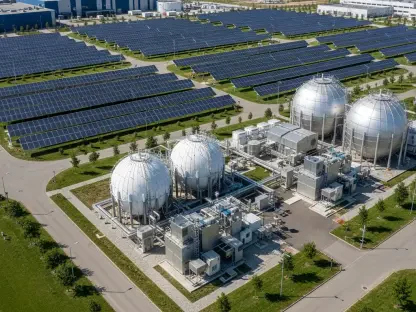
Renewables have moved from being a moral choice to becoming a cornerstone of national security. Governments are realizing that energy sovereignty is only possible when the fuel source—the sun and the wind—cannot be intercepted by a foreign fleet or held hostage by regional conflicts. Unlike imported fuels, these domestic resources provide a level of insulation from global price shocks that oil cannot match. This realization is triggering a wave of investment in decentralized generation that places the power back in the hands of the state rather than global markets.
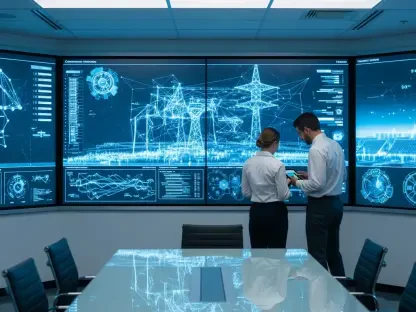
Moreover, the rising demand for artificial intelligence is intensifying the pressure on traditional energy grids. Data centers, which are the backbone of the AI boom, require a steady and immense supply of power that fossil-fuel-dependent systems can no longer guarantee during periods of maritime instability. Integrated renewable and storage solutions are becoming the default choice for these tech hubs, as they provide the localized stability needed to maintain complex digital infrastructure. This intersection of tech growth and energy security is accelerating the retirement of older, more vulnerable power models.
Analyzing Market Performance and the Surge in Renewable Demand
Market data clearly illustrates a significant clean energy windfall as a direct consequence of Middle Eastern instability. The export value of critical components, such as Chinese inverters for battery systems, has surged by 57 percent compared to the previous year. This indicates a massive shift toward storage capacity as nations prepare for a future where energy flows must be constant regardless of what happens in the Persian Gulf.
The Global South is particularly aggressive in this transition, as these nations often suffer the most from oil price shocks. Projections indicate that the adoption of domestic renewable infrastructure in these regions will continue to outpace historical estimates. As long as maritime chokepoints remain militarized, the growth rate for decentralized energy will remain on an upward trajectory. This represents a permanent restructuring of the market, moving away from a reliance on the 20th-century fossil fuel model toward a more diverse and resilient energy portfolio.
Strategic Obstacles to Universal Energy Independence
Despite the clear momentum, the transition is fraught with complex geopolitical challenges. Moving away from Middle Eastern oil often means moving toward a different kind of dependency, particularly regarding Chinese manufacturing dominance. China currently controls a vast majority of the supply chain for solar panels and lithium-ion batteries, creating a bottleneck that Western nations are now scrambling to address. Strategic diversification of manufacturing is essential to ensure that energy independence does not simply swap one master for another.
Moreover, the technical requirements for a fully renewable grid are substantial. The intermittent nature of solar and wind requires major breakthroughs in long-duration storage to maintain the baseload power once provided by coal and gas. While progress is being made, the current pace of grid modernization must accelerate to accommodate the decentralized nature of these new energy sources. Transitioning the world’s heavy industry away from fossil fuels remains one of the most difficult hurdles in this journey toward total energy resilience.
Strengthening Governance and Security in a Decarbonizing World
The regulatory landscape is shifting rapidly to reflect the new realities exposed by the Hormuz crisis. Governments are now drafting laws that treat renewable energy projects with the same urgency as national defense spending, significantly streamlining the permitting process for wind and solar farms. New standards are being implemented that mandate a minimum percentage of domestic energy production, effectively forcing a move away from imported fossil fuels.
Compliance in this new era also involves rigorous cybersecurity protocols. As the energy grid becomes more decentralized and digitized, it becomes a target for foreign interference. Regulatory bodies are demanding that power companies prioritize the security of smart grids as much as their output. These changes are forcing the energy industry to prioritize local resilience over the low-cost, globalized supply chains that defined the previous era of energy trade.
Predicting the Trajectory of a Decentralized Energy Economy
The future of energy is leaning toward a model where production occurs much closer to the point of consumption. Emerging technologies, including solid-state batteries and green hydrogen, are beginning to disrupt the market by offering viable alternatives for heavy transport and industrial applications. This shift reduces the strategic importance of maritime routes, potentially diminishing the geopolitical leverage of oil-producing regions that have dominated the global economy for a century.
Innovation in grid management, powered by artificial intelligence, will further enable nations to balance complex energy portfolios with high precision. This digitized approach allows for a more flexible and responsive power system that can handle the variability of renewables. As these technologies mature, the preference for unblockable, domestic energy will lead to a permanent decline in the dominance of global oil markets.
Final Perspectives on Navigating the Post-Hormuz Energy Reality
The blockade of the Strait of Hormuz acted as a definitive catalyst that exposed the fatal flaws of a fossil-fuel-centric world. Global leaders and private investors recognized that energy resilience required a fundamental shift in strategy toward localized and unblockable sources. This period marked a historical turning point where clean energy moved from the periphery of trade policy to the very center of national security planning.
Efforts were focused on diversifying the supply chains for renewable technology and building massive storage infrastructure to manage the transition. The focus shifted from mere consumption to a long-term strategy of strategic independence. This coordinated approach laid the groundwork for a more stable and secure global economy that no longer depended on the fragile geography of maritime chokepoints. Global players successfully prioritized the diversification of clean tech production to ensure that no single region could hold the world’s power supply hostage again.