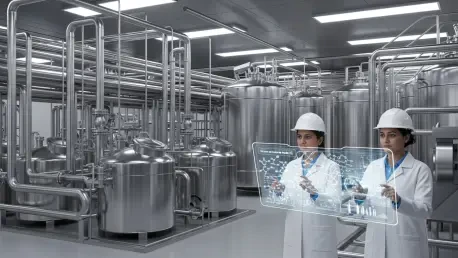

As the international community grapples with the monumental task of decarbonization, the trajectory of a single nation with 1.4 billion people is emerging as a potential linchpin for the world’s clean energy future. The assertion that India stands at a critical juncture in its energy transition, poised to lead the global biofuel sector, is gaining significant traction. This emerging consensus suggests that the country’s unique combination of resources, demand, and policy could reshape the global energy map.
A Nation at a Crossroads of Clean Energy Ambition
India’s energy policy is driven by a dual mandate: securing affordable energy for its vast and growing population while meeting ambitious international climate commitments. This places the nation at a crucial crossroads, where the pursuit of economic development through “Viksit Bharat” (Developed India) must align with its long-term goal of achieving Net Zero emissions. The decisions made now will have profound implications not only for its own future but for the global effort to combat climate change.
This conversation has been catalyzed by strategic analysis outlining a clear path forward. National planning documents articulate a vision where India leverages its inherent strengths to become a dominant force in biofuel innovation and production. This isn’t merely an aspiration but a calculated strategy, positioning biofuels as a central element in the country’s broader clean energy transition and a key to unlocking sustainable growth.
The Urgent Case for an Immediate Energy Alternative
The global imperatives of enhancing energy security and decarbonizing transportation have created an urgent need for practical, scalable solutions. For India, a nation heavily reliant on oil imports, the economic and environmental stakes are particularly high. Biofuels like ethanol, biodiesel, and compressed biogas (CBG) represent a viable pathway to reduce this dependency while significantly cutting greenhouse gas emissions from the transport sector, one of the most challenging areas to decarbonize.
Unlike other clean energy technologies, biofuels offer an immediately deployable alternative. While electric vehicles require massive, long-term investment in charging infrastructure and hydrogen mobility remains in a nascent stage of development, the infrastructure for biofuel blending and distribution can be integrated into the existing system relatively quickly. This makes biofuels a critical bridge technology that can deliver substantial environmental benefits in the near term.
The Three Pillars of India’s Biofuel Foundation
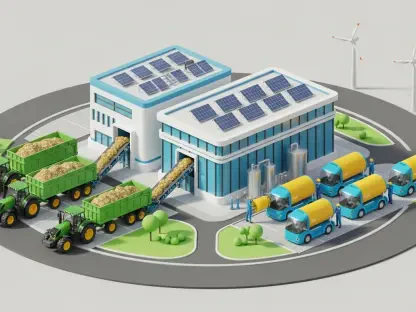
India’s potential is anchored in an unparalleled feedstock advantage. The country possesses a vast and diverse supply of sustainable biomass, ranging from traditional sources like sugarcane and grains to advanced inputs such as agricultural residues, municipal solid waste, and used cooking oil. This diversity is a significant strategic asset, ensuring supply chain stability and helping to maintain cost competitiveness against both fossil fuels and international biofuel producers.
This resource base is complemented by a massive, built-in domestic market. India’s extensive transportation network creates a powerful engine for demand, allowing the industry to achieve the economies of scale necessary to drive down production costs. Achieving this scale domestically is the first step toward becoming a competitive global exporter. This market pull is reinforced by a robust policy foundation, with the National Biofuel Policy actively supporting infrastructure expansion, including the construction of new distilleries, advanced second-generation (2G) ethanol plants, and numerous CBG units.
From Domestic Champion to Global Exporter
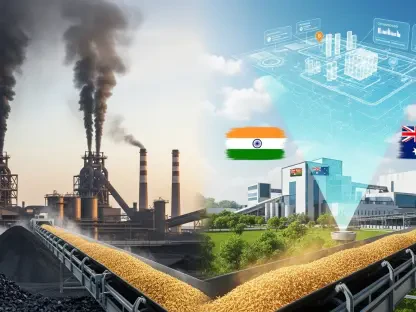
Expert analysis points to a rapidly growing demand for low-carbon fuels across emerging markets in Africa, Southeast Asia, and Latin America. As these regions seek to decarbonize their own economies, they will require reliable and affordable sources of clean energy. India is uniquely positioned to fill this burgeoning international supply gap, leveraging its production capacity to meet global needs.
The country’s role is envisioned to extend beyond being a mere commodity producer. The goal is to become a comprehensive technology and solutions provider, exporting not just biofuels but also the engineering expertise and innovative processes developed domestically. This shift would create a new geopolitical dynamic in the global energy sector, establishing India as a key influencer and a leader in the worldwide transition away from fossil fuels.
A Strategic Blueprint for Global Leadership
To translate this potential into dominance, national planners have outlined a comprehensive, multi-pronged strategy. The first step focuses on securing the supply chain through the implementation of efficient collection systems for agricultural waste and promoting the cultivation of dedicated energy crops on degraded or non-agricultural land. These measures are designed to ensure a consistent and sustainable flow of raw materials for the industry.
Simultaneously, the blueprint calls for accelerating the deployment of advanced technologies. This involves providing targeted incentives, such as viability-gap funding, for next-generation biorefineries producing 2G ethanol, Sustainable Aviation Fuel (SAF), and CBG. To integrate with global markets, the strategy emphasizes aligning Indian biofuel standards with international norms to facilitate seamless trade and establishing dedicated, export-focused trade corridors to streamline logistics.
Overcoming the Final Hurdles to Superpower Status
The most significant challenge on this path remains the mobilization of substantial financial investment required to scale production and foster innovation. Attracting the necessary capital from both domestic and international sources is the critical final hurdle. Proposed solutions to de-risk these investments include enhancing green bond frameworks and providing robust risk guarantees for private sector participants.
Forging strategic partnerships with multilateral climate organizations and actively courting foreign investment were also identified as essential components of the financing strategy. Furthermore, sustaining a long-term competitive edge demanded greater public-private collaboration in research and development for cutting-edge technologies like gasification and synthetic fuels. By bridging this investment gap, India unlocked its full potential to become a true superpower in the global biofuel arena.