
For heavy industries reliant on fossil fuels, the traditional calculus of operational cost has been upended by a new, unavoidable variable: the price of inaction. The long-held belief that sustainability is a costly luxury is rapidly dissolving as market forces and regulatory pressures converge, transforming green energy adoption from a corporate social responsibility initiative into a core strategic imperative for survival and growth.
The Shifting Landscape from Profitability to Sustainability
The industrial sector has historically navigated a dilemma where profitability and sustainability were seen as opposing forces. The reliability and low upfront cost of fossil fuels made them the cornerstone of manufacturing, particularly for energy-intensive processes like steam generation. This established framework prioritized immediate production costs over long-term environmental or economic externalities, a model that remained viable for decades.
However, this paradigm is now proving to be the riskiest path forward. A prominent Malaysian paper manufacturer, Muda Paper Mills, recognized that clinging to this legacy approach was becoming a significant liability. The company initiated a strategic pivot away from fossil fuels, not as a purely environmental gesture, but as a decisive business move to secure its operational future and maintain its competitive edge in a changing global market.
Navigating the Triple Threat to Modern Operations
The push toward greener energy is fueled by a convergence of powerful, non-negotiable pressures. The rising tide of environmental regulation, including the increasing implementation of carbon pricing mechanisms, introduces direct financial penalties for high-emission operations. Simultaneously, the inherent volatility of global fossil fuel markets creates unpredictable operational costs that complicate financial planning and erode profit margins, making dependency a significant risk.
Beyond regulatory and financial pressures, a powerful shift in market expectations is forcing industry’s hand. Global customers and complex supply chains now demand greater environmental accountability, requiring partners to provide transparent emissions data and demonstrate a commitment to decarbonization. For companies like Muda Paper Mills, failing to meet these greener standards is no longer just a reputational risk; it is a direct threat to retaining key business relationships and accessing international markets.
A Case Study in Turning Waste into an Asset
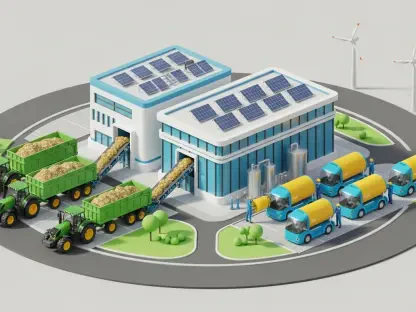
In response to these challenges, Muda Paper Mills selected biomass as its alternative energy source. The decision was strategic, leveraging a key local advantage: the vast availability of agricultural waste from Malaysia’s palm oil industry. This provided a consistent, regional, and cost-effective fuel source, turning a regional byproduct into a valuable industrial asset. To execute this complex transition, the company formed a crucial technical partnership with Wasco Greenergy to design and implement a custom biomass system.
The results of this transition were both immediate and substantial. Within the first year of operation, the initial biomass boiler helped reduce the company’s direct emissions by over 20%, validating the project’s environmental and operational goals. The success of this pilot prompted the installation of a second, larger unit at another facility, signaling a company-wide strategic shift. This transition also unlocked new operational efficiencies through enhanced system monitoring and data analysis, which improved maintenance schedules and optimized performance.
The Boardroom Verdict from the Front Lines
The experience at Muda Paper Mills directly challenges the persistent myth that clean energy is prohibitively expensive. With meticulous planning and strategic design, the company demonstrated that renewable systems can be affordable and deliver a strong return on investment. Proactive adoption transforms a perceived expense into a forward-thinking investment that hedges against future carbon taxes and energy market volatility, effectively future-proofing the business.
This proactive stance provides a distinct and measurable business advantage in today’s market. A demonstrated commitment to sustainability has become a powerful differentiator, attracting and retaining global customers who prioritize environmentally responsible partners. For heat-intensive industries, harnessing renewables is no longer on the horizon; it is a practical solution to meet both commercial demands and the increasingly stringent requirements of global trade.
A Practical Framework for a Green Energy Transition
The success of any renewable energy project rests on a foundation of three critical pillars. The first pillar is meticulous system design and evaluation, ensuring the technology is perfectly matched to the facility’s specific operational needs for steam generation. This careful planning is essential to avoid inefficiencies and ensure reliability from the outset.
The second pillar involves securing a consistent and high-quality fuel source, which in this case was locally sourced biomass. Consistency in fuel quality is paramount to maintaining stable system performance and predictable energy output. Finally, the third pillar is close collaboration with experienced technical partners who can navigate the complexities of implementation, from initial design to ongoing operational support. This combination of tailored design, reliable fuel, and expert partnership proved to be the definitive formula for a successful transition.