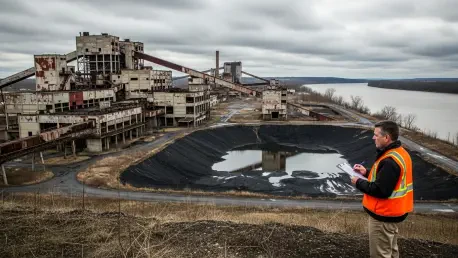

Imagine a community living in the shadow of a dormant industrial giant, where the threat of contaminated water looms large over daily life in Clermont County, Ohio. For residents of Pierce and Anderson Townships, this isn’t a distant fear but a pressing reality tied to the decommissioned Beckjord coal-burning power plant. Shuttered over a decade ago, the site remains a potential environmental hazard, with unlined pits of pollutants sitting dangerously close to the Ohio River. Local leaders have sounded the alarm, worried that without swift action, a natural disaster could unleash toxins into the region’s vital water sources. This lingering uncertainty raises critical questions about public safety, state oversight, and the responsibility of those managing the cleanup. As tensions mount between township officials and state authorities, the stakes couldn’t be higher for the thousands who rely on clean water in this corner of Ohio.
Unveiling the Environmental Threat
The Beckjord power plant site, once a hub of energy production, now stands as a silent menace in Clermont County. After ceasing operations, the property changed hands to a private entity tasked with its cleanup, yet progress has been frustratingly slow. Unlined pits filled with thousands of tons of fly ash and heavy metals sit perilously near the Ohio River, a lifeline for local water supplies. Township leaders, including Pierce Township Trustee Allen Freeman, have voiced deep concerns about the catastrophic potential of floods or other disasters. A single breach could send toxic materials downstream, endangering not just the river but also groundwater reserves. The lack of reliable monitoring equipment at the site only heightens this risk, leaving officials and residents in the dark about whether contamination is already seeping into the environment. This precarious situation underscores a broader challenge: balancing industrial legacies with the urgent need to protect natural resources.
Moreover, the absence of updated emergency action plans since well before the current year adds another layer of vulnerability. Pierce Township Fire Chief Craig Wright has highlighted how this gap leaves first responders ill-prepared for a crisis at the site. State regulations mandate such plans, yet enforcement appears lax, fueling local frustration. Imagine firefighters and emergency teams scrambling to contain a spill without a clear roadmap—lives and ecosystems could hang in the balance. Compounding the issue, attempts to detect contamination are stymied by malfunctioning equipment, rendering any assurances of safety hollow. While state assessments suggest no immediate threat, the long-term risks of inaction are impossible to ignore. For a community so tied to the health of its waterways, the specter of pollution from Beckjord is a constant reminder of what’s at stake if cleanup efforts continue to stall.
Tensions Between Local and State Responses
Local leaders in Clermont County aren’t just worried—they’re furious. Township officials have repeatedly pressed state agencies, including the Ohio Department of Natural Resources (ODNR), for accountability, only to face delays and inadequate answers. Over a year ago, letters were sent to ODNR and Governor Mike DeWine, pleading for intervention, yet a response came only recently, accompanied by apologies for the slow reply. This lag in communication has deepened distrust, with figures like Freeman considering legal avenues to force action. The frustration stems from a perceived lack of urgency at the state level, where the focus seems to be on procedural steps rather than immediate safeguards. For residents, this disconnect feels like a betrayal, as their concerns about water safety are met with bureaucratic inertia rather than decisive measures to address the Beckjord site’s hazards.
In contrast, state representatives have offered a more measured perspective, though it hasn’t fully eased local fears. Spokesman Dan Tierney, speaking on behalf of the governor’s office, has stated that groundwater extraction wells are functioning and no evidence of contamination migrating toward local wellfields exists at present. The state also claims no immediate structural issues with the coal ash dams pose a threat. However, acknowledging past communication failures, ODNR has mandated that the company managing the site submit a new emergency plan by year’s end. Promises of support for local emergency training have also been made. While these steps signal intent to improve, they fall short of addressing the deeper anxieties about long-term risks. The gap between local urgency and state reassurances highlights a critical need for collaboration—a bridge that remains unbuilt as both sides grapple with the complexities of environmental stewardship.
Moving Toward Safeguards and Solutions
Reflecting on the past, the saga of the Beckjord site revealed a troubling pattern of oversight lapses and delayed responses that kept Clermont County on edge. Local leaders stood firm in their resolve, pushing against the tide of inaction with unwavering determination to protect their community’s water. Their frustration with inadequate cleanup efforts and outdated emergency plans fueled a broader call for accountability, while state agencies offered reassurances that often felt out of step with township realities. This chapter of environmental concern wasn’t just about a shuttered plant; it became a testament to the resilience of small communities facing industrial legacies.
Looking ahead, the path to resolution demands more than promises—it requires tangible action. State mandates for updated emergency plans must be met with strict enforcement, ensuring no further delays jeopardize safety. Collaboration between local officials and state authorities should be prioritized, fostering trust through transparent dialogue. Additionally, investing in reliable monitoring systems at the Beckjord site could provide the data needed to preempt disasters. For Clermont County, safeguarding the Ohio River and groundwater isn’t just a policy issue; it’s a lifeline. As legal options remain on the table, the hope is for a unified effort that finally puts community well-being above bureaucratic hurdles, securing clean water for generations to come.