
The modern home has become a symphony of smart devices that automate nearly every aspect of daily life, yet the fundamental challenge of managing escalating electricity costs and grid instability remains a dissonant note for many homeowners. As reliance on electricity grows, the gap between the promise of a connected home and the reality of an outdated energy infrastructure widens. This prompts a critical question: Can artificial intelligence finally unlock the full potential of residential solar power, transforming rooftops from passive shelters into active, intelligent power plants?
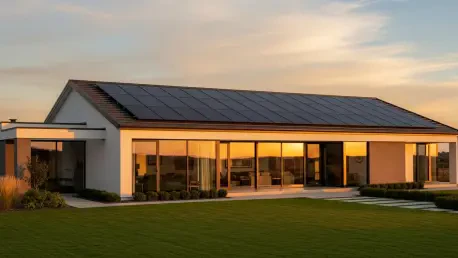
When a Roof Becomes a Power Plant
The convergence of rising electricity tariffs and the increasing accessibility of smart home technology has created a unique tension. Homeowners are now more aware than ever of their energy consumption but often feel powerless against unpredictable utility bills and an unreliable grid. Traditional solar installations offered a partial solution, but their performance often falls short of their theoretical potential, leaving a significant opportunity for improvement. The central inquiry now revolves around whether artificial intelligence can bridge this gap, optimizing energy generation and consumption in a way that finally delivers on the promise of true energy independence.
Beyond Standard Solar The New Energy Equation
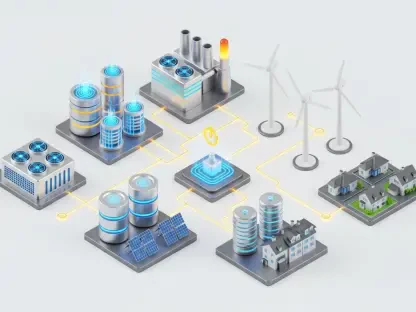
The demand from homeowners is shifting decisively from simple supplementation to complete energy autonomy. This evolution in consumer expectations reveals the limitations of conventional solar systems, which often struggle to adapt to diverse climatic conditions, fluctuating grid stability, and variable household energy demands throughout the day. Consequently, the market is moving away from assembling standalone components from different manufacturers. Instead, there is a clear trend toward fully integrated ecosystems where panels, inverters, and mounting structures are designed to work in seamless harmony, a principle seen across the modern technology landscape.
Deconstructing the AI Powered Solar Ecosystem
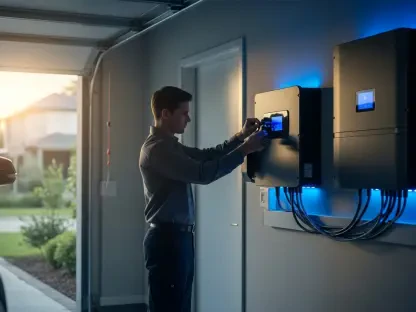
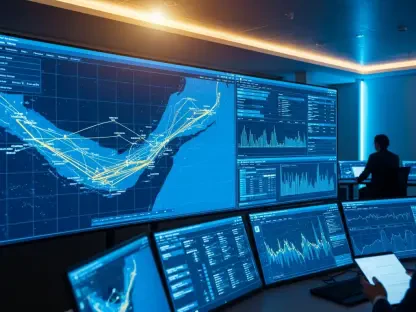
At the heart of this evolution is the AI-enabled inverter, which acts as the system’s brain. It moves beyond simple energy conversion to intelligently optimize power generation by predicting weather patterns and managing energy flow in real time. This core intelligence is most effective within a unified system. When high-efficiency panels, integrated mounting structures, and the inverter are designed as a single unit, it eliminates compatibility issues and boosts overall performance. Systems engineered for local conditions, featuring durable technologies like ZAM-coated structures, further ensure longevity and reliability against regional environmental challenges, while advanced monitoring platforms give homeowners granular control over their energy production and usage.
A Case Study in Localized Innovation
Building consumer confidence in this next-generation technology often involves leveraging the legacy of a trusted brand. For instance, the approach taken by Shakti Energy Solutions with its Shakti On Roof brand demonstrates how an established name in engineering can ease the transition for homeowners. Their “Make in Bharat, Made for Bharat” philosophy highlights a critical trend: designing energy solutions specifically for the challenges of a particular region—from its unique climate to its grid eccentricities—results in superior and more reliable performance. Expert insights confirm that such integrated, localized systems ensure seamless compatibility and long-term dependability, removing the guesswork for the end user.
Evaluating the Leap to Intelligent Solar
For homeowners considering this transition, the first step is a thorough assessment of household energy consumption patterns to accurately project potential savings. Key questions for providers should focus on the specifics of the AI features, the degree of system integration, and the nature of performance guarantees offered. Understanding the long-term value requires calculating the return on investment not just from reduced bills but also from increased property value and energy security. This evaluation helps homeowners create a clear roadmap for transitioning their residence toward a smarter, more self-sufficient energy future.
The Verdict on a Smarter Energy Future
The integration of artificial intelligence into residential solar systems represents a fundamental shift from passive energy generation to active, predictive energy management. This technology transforms a home from a simple consumer of electricity into a dynamic participant in the energy ecosystem, capable of optimizing its own production, storage, and consumption. The move toward AI-powered solar is not merely an incremental upgrade; it is the next logical step in the evolution of the smart home, promising a future where energy independence is not just a possibility but an intelligent, automated reality for households everywhere.