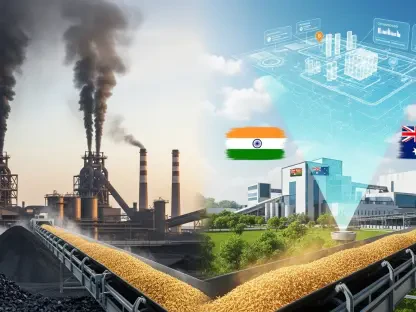

As India charts its course toward energy independence and agricultural sustainability, its burgeoning biogas sector stands at a precarious intersection of immense promise and profound financial strain, awaiting a decisive fiscal intervention. The upcoming Union Budget is being watched closely as a pivotal moment that could either catalyze a nationwide green energy movement or leave its potential languishing due to outdated financial frameworks. This budget is not merely about funding; it is about strategically positioning biogas as a cornerstone of the nation’s economic and environmental future.
A Green Revolution at a Crossroads
The Indian biogas sector is poised for exponential growth, capable of transforming rural economies and reducing carbon emissions simultaneously. However, this green revolution is currently at a standstill, hampered by financial models that have not kept pace with economic realities. The industry’s momentum hinges on the government’s willingness to create a supportive ecosystem that recognizes its multifaceted contributions. Without significant policy and fiscal updates, the risk of stalling this promising boom is substantial, potentially delaying critical progress in energy security and sustainable agriculture for years.
The Union Budget of 2026, therefore, represents a critical juncture. For industry stakeholders, it is a make-or-break opportunity to secure the necessary support to scale operations from pilot projects to large-scale commercial enterprises. The decisions made will determine whether biogas remains a niche solution or becomes a mainstream pillar of India’s clean energy transition, directly impacting rural income generation and the nation’s climate commitments.
The Growing Imperative for Biogas More Than Just Fuel
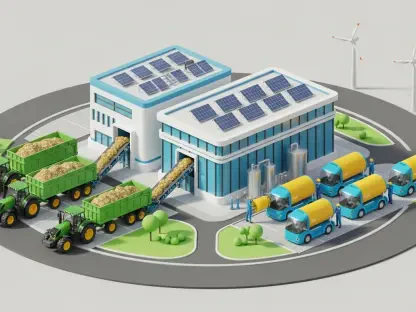
The significance of biogas extends far beyond its role as a clean cooking or vehicle fuel; it is a vital link between rural prosperity and national energy goals. By converting agricultural waste, cattle dung, and other organic matter into compressed biogas (CBG), the sector offers a decentralized energy source that reduces reliance on imported fossil fuels while creating local employment. This process transforms rural liabilities into valuable assets, providing farmers with an additional and stable income stream.
Furthermore, the industry addresses two of India’s most pressing challenges: meeting escalating energy demands and reversing severe soil degradation. The byproduct of biogas production, fermented organic manure (FOM), is a potent tool for restoring soil health. With India’s average soil organic carbon having fallen to dangerously low levels, promoting FOM offers a sustainable alternative to chemical fertilizers, improving crop yields and reducing the nation’s dependency on fertilizer imports.
Decoding the Industry’s SOS A Four-Point Appeal
At the heart of the industry’s appeal is a call to bridge a widening viability gap. Stakeholders report that the capital cost for setting up CBG plants has surged by over 50% since the last major subsidy scheme was introduced. To counteract this, the Indian Biogas Association has proposed raising the capital subsidy from the current ₹4 crore to a more realistic ₹6 crore for every 4.8 tonnes per day of CBG capacity, ensuring that new projects are financially feasible from the outset.
To unlock the large-scale investment needed for national impact, the industry is also advocating for an increase in the total financial assistance cap per project from ₹10 crore to ₹25 crore. This would be supported by a dedicated funding pool of at least ₹10,000 crore, designed to attract major private sector players and enable the development of larger, more efficient biogas facilities. Such a move would signal strong government commitment and de-risk investments for private capital.
The Voice of the Industry
The Indian Biogas Association has formally articulated these needs, emphasizing that policy acceleration is as crucial as financial support. In its representation to the government, the association stated, “Stronger financial backing, quicker policy execution, and easier access to funding are now critical.” This statement underscores the urgency of the situation, linking the outdated subsidy schemes directly to the current investment slowdown and highlighting the need for a holistic vision that connects biogas production with agricultural sustainability.
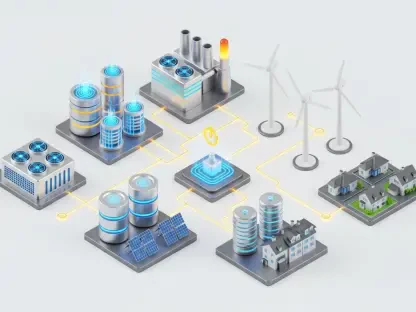
The plea is not merely for handouts but for a strategic partnership with the government. The association’s proposals aim to create a self-sustaining ecosystem where biogas plants are economically viable through a combination of direct support, market creation for byproducts like FOM, and new revenue streams. By monetizing sustainability through a robust carbon credit framework and green certificate trading, the industry can enhance its financial footing while contributing directly to India’s climate action goals.
A Strategic Roadmap for Policymakers
The industry’s appeal has laid out a clear and actionable roadmap for policymakers ahead of the budget. The primary action involved modernizing the financial incentive structure to accurately reflect current capital expenditures and operational costs. This foundational step was deemed essential to reviving investor confidence.
Furthermore, the case was made for earmarking a substantial, ring-fenced fund specifically for larger biogas projects to attract serious private sector investment. In parallel, a phased policy shift was proposed to incentivize the use of organic manure, creating a stable market for this crucial byproduct. Finally, fast-tracking the regulatory framework for carbon credit trading was presented as a key measure to unlock new revenue and cement the sector’s role in India’s sustainable development narrative.