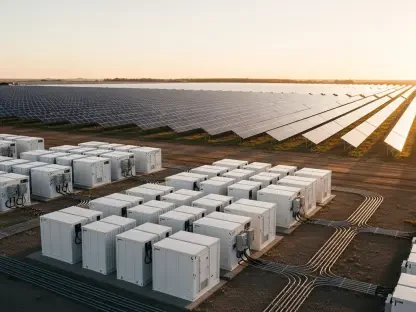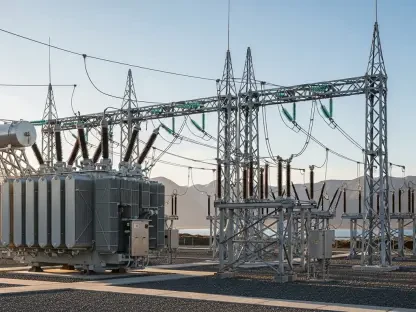

The latest national budget has charted a decisive course for India’s energy future, introducing strategic fiscal measures designed to accelerate the nation’s transition away from fossil fuels and toward a sustainable, green economy. With targeted interventions in key emerging sectors, the government’s financial blueprint aims to not only meet its ambitious climate commitments but also to cultivate a new era of industrial growth and energy independence.
The Current State of India’s Green Energy Sector
India’s renewable energy landscape is a dynamic mix of mature and nascent technologies. While solar and wind power form the bedrock of the country’s current green portfolio, significant momentum is building in emerging areas like Compressed Biogas (CBG) and green hydrogen. This transition is guided by a robust policy framework and the nation’s commitment to achieving Net-Zero emissions, creating a fertile ground for innovation and investment.
The sector involves a diverse array of stakeholders, from government ministries and public sector undertakings driving large-scale projects to private corporations and agile startups pioneering new technologies. This collaborative ecosystem is essential for navigating the complexities of decarbonization and ensuring that policy objectives translate into tangible on-the-ground progress, setting the stage for the budget’s targeted interventions.
Analyzing the Budget’s Green Energy Blueprint
Key Initiatives Driving the Green Transition
The budget’s green energy strategy is built on several cornerstone announcements, with a pronounced focus on stimulating growth in Compressed Biogas (CBG), Carbon Capture, Utilisation, and Storage (CCUS), and the Electric Vehicle (EV) ecosystem. A pivotal measure is the central excise duty exemption for the CBG component in blended natural gas. This move directly addresses a long-standing issue of double taxation, significantly enhancing the commercial appeal of biogas.
Furthermore, the budget allocates a substantial outlay for CCUS technologies, a critical step toward decarbonizing hard-to-abate industries like steel and cement. In parallel, the EV sector receives a boost through provisions for thousands of new e-buses and a customs duty waiver on capital goods for Lithium-Ion cell manufacturing. These initiatives collectively create a more favorable financial environment for green technologies.
Market Projections and Economic Impact
The fiscal incentives outlined in the budget are poised to catalyze significant market expansion. For the CBG sector, the tax exemption is expected to improve commercial viability, encouraging wider adoption by City Gas Distribution companies and enabling producers to sell biomethane directly to consumers. This improved market access is projected to spur investment and scale up production.
In the industrial sector, the financial support for CCUS is anticipated to make decarbonization an economically feasible reality, accelerating the adoption of these technologies in power, steel, and chemical plants. Similarly, the cost reductions in the EV supply chain, driven by customs duty waivers, are expected to lower manufacturing expenses and broaden the e-mobility market, particularly along key industrial corridors.
Overcoming Implementation and Scalability Challenges
Despite the budget’s promising vision, practical hurdles in implementation and scalability remain. For the CBG sector to reach its full potential, funding must extend across the entire value chain, from feedstock aggregation to the effective management and utilization of Fermented Organic Manure (FOM), a key byproduct. Without comprehensive financial support, scaling biogas generation to meet national targets will be a significant challenge.
Technological and infrastructural gaps also present formidable obstacles. The widespread adoption of green technologies requires a parallel expansion of supporting infrastructure, such as robust EV charging networks and efficient biogas distribution systems. Addressing these market-driven challenges through strategic planning and investment will be crucial for ensuring these budgetary initiatives translate into widespread, sustainable change.
The Shifting Regulatory and Policy Landscape
The budget’s fiscal measures are set to directly reshape the regulatory environment for green energy. The excise duty exemption on CBG, for instance, will likely compel City Gas Distribution (CGD) companies to revise their procurement policies, creating a more level playing field for biogas producers and integrating it more seamlessly into the national gas grid.
Simultaneously, modifications to customs duties on components for Lithium-Ion cells will have a profound impact on import-export regulations. This policy is explicitly designed to incentivize domestic manufacturing, reducing reliance on foreign imports and fostering the development of a self-sufficient EV battery ecosystem within India. These changes signal a clear policy shift toward building indigenous green technology capabilities.
The Future Trajectory of India’s Green Economy
These budgetary provisions are not merely short-term incentives; they are catalysts for long-term growth and innovation in India’s green economy. The focus on biogas, for example, opens up significant opportunities for developing a circular economy, converting agricultural waste into a valuable energy resource while producing organic fertilizer. This creates a sustainable, closed-loop system that benefits both the energy and agricultural sectors.
Moreover, the emphasis on domestic manufacturing for the EV industry positions India to become a regional, and potentially global, hub for battery production. By cultivating a local supply chain, the nation can attract substantial foreign investment and secure a competitive advantage in one of the world’s fastest-growing technology markets, driving both economic growth and environmental progress.
A Conclusive Outlook on the Budget’s Green Mandate
In summary, the budget’s green initiatives presented a strategic and forward-thinking approach to advancing India’s sustainable development goals. The targeted support for CBG, CCUS, and EVs demonstrated a clear understanding of the key levers needed to accelerate the energy transition. These policies successfully laid the groundwork for enhanced commercial viability and market access for emerging green technologies.
However, the analysis also revealed that while the fiscal measures were a significant step forward, gaps in comprehensive value chain funding and infrastructural development remained. To fully capitalize on these opportunities, future policy interventions needed to focus on bridging these implementation challenges. Ultimately, the budget provided a powerful mandate, and it was incumbent upon all stakeholders to leverage these provisions to build a more sustainable and energy-independent future for the nation.