
For hundreds of thousands of families across Bihar, the relentless hum of a ceiling fan during the sweltering summer months is a sound of both profound comfort and deep financial anxiety. This daily struggle with high energy costs is the reality for the state’s most economically vulnerable, but a groundbreaking government initiative is poised to shift this dynamic by placing the power source directly onto their rooftops. An ambitious plan to install 275 MW of solar capacity is now underway, raising a critical question: Can this large-scale project truly deliver energy independence to those who need it most?
For a Quarter-Million Families in Bihar Is the Answer on Their Rooftops
At the heart of this transformation is a comprehensive rooftop solar initiative aimed squarely at a quarter-million of the state’s “Kutir Jyoti” households—a designation for its most economically disadvantaged consumers. This program is not merely about providing an alternative energy source; it is a direct attempt to alleviate the persistent burden of electricity bills that disproportionately affect low-income families. The central challenge lies in translating this massive 275 MW project from a policy document into tangible, daily relief for people struggling to balance basic needs with energy expenses.
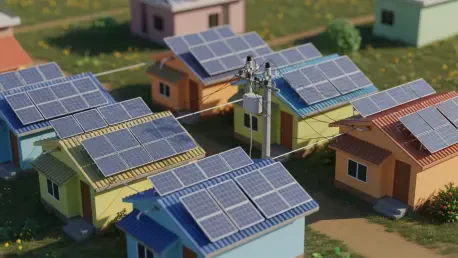
The success of the initiative hinges on its ability to empower these households, transforming them from passive consumers into active participants in the state’s energy transition. For these families, the installation of a 1.1 kW solar system represents more than just infrastructure. It symbolizes a potential pathway out of energy poverty, offering the promise of consistent power and financial savings that can be redirected toward education, health, and other essential needs.
The Context Addressing Energy Poverty with a Green Solution
Bihar has long grappled with the challenge of ensuring reliable and affordable electricity for its entire population. While grid expansion has made significant strides, it often fails to address the economic barriers faced by the poorest households. For many, a grid connection exists, but the cost of consumption remains prohibitively high. Decentralized solar energy offers a more direct and sustainable solution, bypassing some of the limitations and costs associated with traditional power distribution.
This state-level initiative is strategically aligned with the national PM Surya Ghar – Muft Bijli Yojana, positioning Bihar as a key player in India’s broader push toward renewable energy. By adopting this model, the state is not only tackling energy poverty but also contributing to national climate goals. This dual-pronged approach underscores a strategic shift in policy, recognizing that green energy solutions can be most impactful when they address socioeconomic disparities at the grassroots level.
Unpacking the Plan The Mechanics of a Statewide Rollout
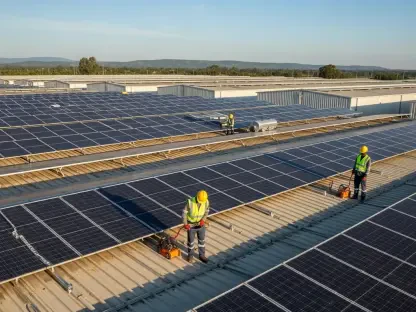
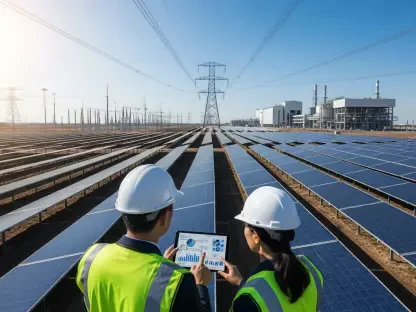
The framework for this massive undertaking is detailed in a Request for Proposal (RFP) issued by the South Bihar Power Distribution Company Limited (SBPDCL). The plan calls for the installation of grid-connected rooftop solar systems across 18 power distribution circles, ensuring wide geographic coverage. To streamline this complex process, the project employs the Utility-Led Aggregation (ULA) model. Under this framework, state utilities act as the central coordinators, managing everything from identifying eligible households to overseeing installations and approvals, thereby removing significant logistical hurdles for consumers.
To encourage broad participation from developers, the initiative offers two distinct investment models. The CAPEX model allows developers to install systems with an upfront capital expenditure, while the RESCO model enables third-party ownership where a company owns the solar plant and sells the power to the homeowner. This flexibility is designed to attract a diverse range of investors and accelerate the deployment of the 1.1 kW systems planned for each of the 2.5 lakh targeted homes.
The Evidence Hard Data and Official Commitments
The project’s credibility is anchored by concrete figures and a clear, structured timeline for implementation. The target of reaching 2.5 lakh households with 275 MW of solar power is supported by clear financial requirements for bidders, including an earnest money deposit of ₹1 lakh per MW and a tender document fee of ₹25,000. These stipulations ensure that only serious and capable developers participate, safeguarding the project’s execution.
A firm timeline for action was established with key milestones, including a pre-bid meeting and submission deadlines set for late January of this year. This structured approach demonstrates a strong official commitment to moving the project from proposal to reality without delay. The defined schedule provides transparency and holds all stakeholders accountable for timely delivery, signaling that this initiative is a high-priority agenda for the state’s energy sector.
Practical Outcomes From Reduced Bills to a Stronger Energy Ecosystem
The most immediate and profound impact of this plan is the direct financial relief it offers to families. By generating their own electricity, households can drastically reduce or even eliminate their monthly power bills, freeing up critical income for other necessities. This transition from energy consumer to producer is a powerful tool for economic empowerment at the most fundamental level.
Furthermore, the ULA model provides a practical framework that simplifies the adoption of solar technology. By having utilities manage the complexities of installation and approvals, the program removes common barriers that often prevent low-income families from accessing such benefits. In the long term, this initiative does more than help individual families; it significantly boosts Bihar’s total solar capacity, building a more resilient, decentralized, and sustainable energy infrastructure for the future.
This statewide solar rollout represented a critical step toward bridging the energy access gap in Bihar. By directly targeting the most vulnerable households and implementing a streamlined execution model, the plan laid a robust foundation for a more equitable and sustainable energy future. The initiative’s design addressed not just the symptoms of energy poverty but its root causes, empowering communities and strengthening the state’s renewable energy landscape in the process.