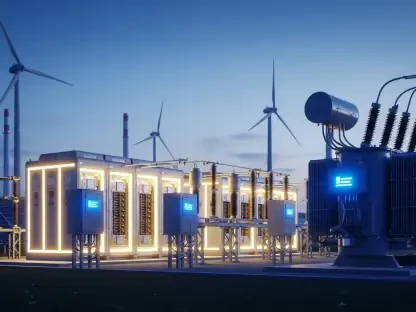

Odisha’s strategic shift from a mineral-rich industrial hub to a vanguard of the renewable energy sector has reached a critical tipping point with the commitment of sixty-seven thousand crore rupees in new capital. This massive influx of financial resources, secured during the third edition of the Odisha Renewable Energy Investor Conclave, served as a cornerstone for the state’s ambition to develop approximately 6.8 gigawatts of renewable energy capacity. The event, organized by the state Energy Department and GRIDCO Limited, successfully synchronized state-level initiatives with the broader national objective of reaching 500 gigawatts of non-fossil fuel capacity by 2030. By bringing together a diverse coalition of policymakers, financial institutions, and specialized developers, the state established a roadmap that prioritized both economic growth and environmental stewardship. This unified effort demonstrated a clear intent to move beyond traditional power sources, ensuring that the regional grid became increasingly sustainable.
The scale of this transition was further highlighted by the state’s ability to attract diverse global and domestic investors who recognized the long-term value of a decarbonized industrial base. As the demand for green energy rose, the state positioned itself as a primary destination for sustainable manufacturing and green hydrogen production. This momentum was not merely a matter of environmental policy but a calculated economic strategy to future-proof the state’s industrial output against global carbon taxes and shifting market preferences. By fostering an environment conducive to large-scale investment, Odisha effectively transitioned from a participant in the energy market to a dominant leader. The collaborative atmosphere of the conclave emphasized that the transition was a shared responsibility, requiring the active participation of both the public and private sectors to achieve the desired results. This massive capital commitment marked a new era where clean energy became the primary engine of regional economic development.
Strategic Infrastructure and Geographical Advantages: Building the Clean Grid
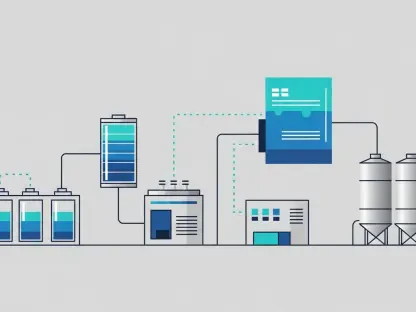
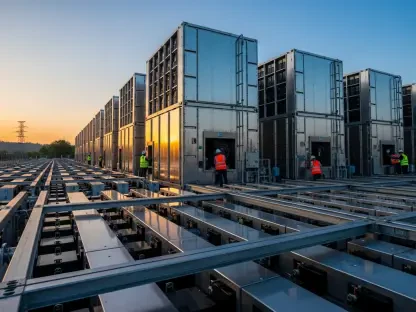
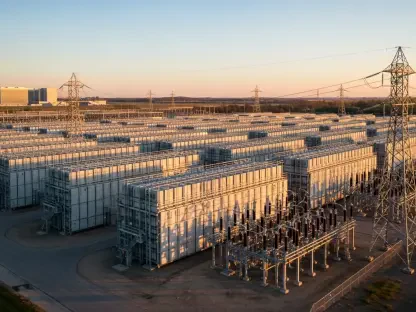
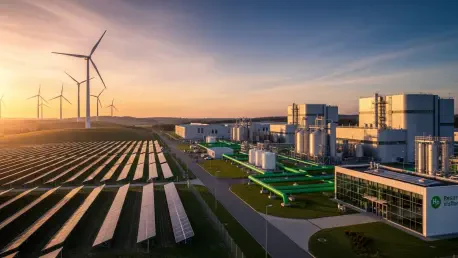
The implementation of these ambitious targets relied heavily on the state’s unique geographical features, most notably an extensive coastline that offered untapped potential for wind and solar generation. To capitalize on this, the government launched its inaugural wind resource assessment alongside a city accelerator program designed to integrate clean energy solutions across six major urban centers. Strategic focus shifted toward innovative storage and generation technologies, such as the planned development of eighteen thousand megawatts of pumped storage across thirty-six distinct locations. Furthermore, the integration of five thousand megawatts of floating solar installations on existing water bodies provided a dual benefit of land conservation and efficient power production. To ensure grid stability, the state actively promoted battery energy storage systems, utilizing viability gap funding to bridge the financial gap for emerging technologies. This multifaceted approach ensured that the energy mix remained resilient.
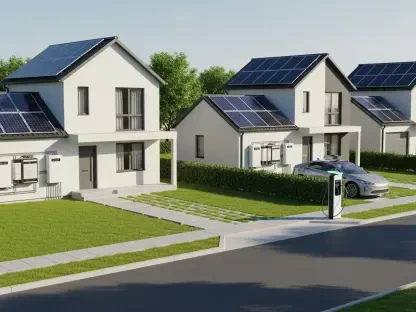
By diversifying the technological focus, the state managed to address the intermittency challenges typically associated with renewable sources. The wind resource assessment provided the empirical data necessary for developers to commit to large-scale offshore and onshore projects with greater confidence. Meanwhile, the city accelerator program ensured that the benefits of the energy transition reached the municipal level, encouraging the adoption of rooftop solar and energy-efficient infrastructure in burgeoning metropolitan areas. The emphasis on pumped storage and floating solar reflected a sophisticated understanding of resource management, as these technologies maximized the utility of the state’s natural topography. Furthermore, the push for battery storage signaled a commitment to modernizing the grid, making it capable of handling a high penetration of renewables without compromising reliability. This comprehensive planning phase set the stage for a seamless transition to a zero-carbon power architecture.
The success of the energy transition was solidified through high-profile agreements that bridged the gap between public oversight and private sector innovation. The state government partnered with NHPC Limited for one thousand megawatts of pumped storage, while GRIDCO Limited finalized pivotal deals with Bharat Petroleum and the North Eastern Electric Power Corporation to secure additional storage capacity. Private sector engagements proved equally robust, as contracts were signed for five thousand megawatts of combined wind, solar, and green hydrogen projects. These collaborative efforts suggested that the future of the regional grid depended on a diversified portfolio rather than a single energy source. To maintain this momentum, stakeholders focused on streamlining regulatory approvals and incentivizing local manufacturing of renewable components. This approach ensured that the energy infrastructure remained resilient while fostering a competitive market for clean technology.
Beyond the immediate capacity additions, the focus turned toward creating a sustainable ecosystem that supported long-term maintenance and technological evolution. Policymakers recognized that the hardware installation was only the first step; the subsequent challenge involved training a specialized workforce to manage these advanced systems. Educational programs and vocational training centers began aligning their curricula with the needs of the renewable energy sector, ensuring a steady pipeline of talent. Furthermore, the emphasis on green hydrogen pointed toward a deeper decarbonization of heavy industries, which were traditionally difficult to transition. By integrating these elements, the state created a holistic model for energy independence. The transition moved from a purely conceptual phase to a practical, operational reality that balanced commercial viability with ecological preservation. This systematic transformation provided a blueprint for other regions aiming to decouple industrial growth from carbon emissions.