
What does it take to transform a nation’s future while battling the twin crises of energy demands and water scarcity? In Malaysia, the answer lies in a daring blend of innovation, policy, and grit. Picture a country racing against time to power its cities with clean energy and secure every drop of water for its people. This isn’t just a dream—it’s a mission unfolding right now, with lessons for the world. Malaysia’s journey toward renewable energy and water security is a story of ambition that demands attention.
The Urgency Behind the Green Revolution
Why should anyone care about Malaysia’s sustainability push? The stakes couldn’t be higher. With a booming population and industrial growth, the nation grapples with escalating energy needs and unpredictable water supplies, intensified by climate change’s harsh realities. Erratic rainfall and rising temperatures threaten livelihoods, while utility costs pinch households. Under the MADANI framework, now in its active phase, the government sees sustainable development as the bedrock of economic stability. This isn’t just a local issue—it mirrors global challenges, aligning with international commitments like the Paris Agreement. Malaysia’s efforts highlight how energy and water security are intertwined with daily life and long-term progress on a planetary scale.
A Dual Mission: Energy and Water in Focus
Malaysia’s strategy hinges on two critical fronts—renewable energy and water management. Each is backed by robust initiatives that showcase a nation unwilling to settle for half-measures. The Energy Transition and Water Transformation Ministry (PETRA) leads the charge, turning complex challenges into tangible solutions. What’s unfolding is a blueprint for balancing rapid growth with environmental stewardship, proving that sustainability isn’t a luxury but a necessity.
Powering Tomorrow with Renewable Energy
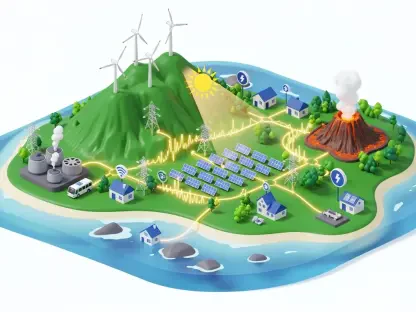
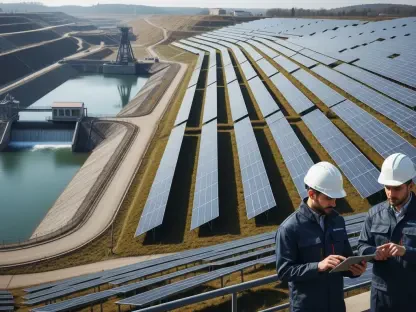
On the energy front, Malaysia has set an audacious goal: 70 percent of its electricity from renewables by 2050, as outlined in the National Energy Transition Roadmap. Currently, renewables make up 31 percent of installed capacity, with a target of 35 percent by 2030 under the latest national plan. Programs like the Large-Scale Solar initiative, with its next phase launching in early 2026, are expanding solar infrastructure at an impressive pace. Meanwhile, schemes such as the Feed-In Tariff, supporting biogas and small hydropower, and the Corporate Renewable Energy Supply Scheme, enabling businesses to buy green power directly, show a commitment to diversity in energy sources. The Solar ATAP program brings this revolution to homes, letting families generate their own electricity. Community-driven projects through shared rooftop solar systems add another layer of innovation, ensuring no one is left behind in this green transition.
Safeguarding Every Drop: Water Security Strategies
Equally vital is the focus on water, where PETRA is driving reforms through the National Water Policy. The National Water Council, chaired by Prime Minister Datuk Seri Anwar Ibrahim, fosters federal-state collaboration to address cross-border water issues. A new National Hydrology Data Centre is centralizing data for smarter, science-based decisions on resource allocation. Beyond that, exploration of alternative sources like groundwater and desalination aims to ease reliance on traditional supplies. Legislative updates to the Water Services Industry Act are tightening enforcement and promoting recycled water use. The Water Sector Transformation Plan, looking toward 2040, introduces fresh financing models, including public-private partnerships, to build sustainable infrastructure. These steps paint a picture of a nation determined to protect a precious resource amid growing pressures.
Voices from the Ground: Leaders and Communities Speak
Deputy Prime Minister Datuk Seri Fadillah Yusof, who oversees PETRA, captures the essence of this journey with clarity: “Technology and policy reform are the cornerstones of meeting our bold targets in energy and water.” This perspective resonates with experts who stress the need for a multi-faceted approach. Real-world examples bring this to life—the Langat Sewage Treatment Plant stands as a beacon of water recycling innovation, often showcased in public exhibitions. Then there are communities embracing shared solar projects, where neighborhoods pool resources for rooftop systems, slashing bills and carbon footprints together. These stories and insights reveal not just intent, but impact—proof that Malaysia’s plans are rooted in reality and shared purpose.
Empowering Citizens: Steps to Join the Movement
This mission isn’t confined to boardrooms or government offices—it’s a rallying cry for every Malaysian. Households can tap into the Solar ATAP program, installing solar panels to cut costs and support national goals. Simple acts, like switching to energy-efficient appliances as promoted by PETRA’s awareness campaigns, make a dent in consumption. Water-saving habits, such as rainwater harvesting, offer another way to contribute. Communities can band together for shared solar initiatives, amplifying their collective impact. Staying informed through PETRA exhibitions, which unpack programs like Net Energy Metering, equips citizens to advocate for change in their circles. Every action, no matter how small, weaves into the larger tapestry of sustainability that Malaysia is crafting.
Reflecting on a Legacy of Change
Looking back, Malaysia’s strides in renewable energy and water security marked a turning point in how nations could confront environmental challenges with resolve. The fusion of ambitious targets with practical programs had laid a groundwork that inspired others. What stood out was the inclusivity—government, businesses, and citizens had united under a shared vision. As the story unfolded, it became clear that the next steps rested on scaling these efforts, deepening public engagement, and embracing emerging technologies. The path ahead promised to build on this momentum, ensuring that sustainability wasn’t just a policy, but a way of life for generations to come.