
Imagine a state powering over 10% of a nation’s renewable energy capacity, setting benchmarks with sprawling solar parks, and transforming thousands of households into mini power producers. Karnataka, with an installed capacity of 25,675.39 MW, is doing just that, carving a path toward India’s clean energy ambitions. This roundup dives into diverse opinions and insights from industry leaders, policy analysts, and local stakeholders to uncover how Karnataka is spearheading India’s renewable energy surge. The goal is to stitch together a tapestry of perspectives on the state’s achievements, challenges, and potential roadmap, offering a holistic view of its green energy journey.
Unpacking Karnataka’s Renewable Energy Dominance
Rooftop Solar Revolution: Views on Adoption and Hurdles
Karnataka’s rollout of rooftop solar under the PM Surya Ghar Muft Bijli Yojana has caught the eye of many in the energy sector. With 14,151 systems installed across 22,313 households as of late this year, industry observers commend the state’s aggressive push to tap into residential potential. Many note the role of supportive measures like online registration portals and low-interest loans as game-changers, aligning with national figures of over 1.87 million installations. These streamlined processes are often hailed as a model for grassroots energy transformation.
However, not all feedback is glowing. In districts like Belagavi, where only 681 installations have materialized out of 25,778 applications, local stakeholders point to logistical snags and bureaucratic delays as persistent barriers. Some energy consultants argue that while enthusiasm is high, the gap between application and execution reveals a need for better on-ground coordination. Their concern is whether such disparities might dampen the momentum if not addressed with targeted interventions.
A contrasting perspective comes from policy advocates who suggest that public awareness campaigns and net metering integration are slowly bridging these gaps. They emphasize that patience is key, as the infrastructure to support millions of households takes time to mature. This diversity in opinion underscores a shared recognition of rooftop solar’s potential, tempered by calls for sharper implementation strategies.
Government Initiatives: Praise and Cautions from the Field
The Ministry of New and Renewable Energy’s efforts to scale solar adoption through training 150,000 personnel and registering 20,000 vendors have won applause from industry watchers. Many highlight how a fully digital registration process and regular state-level reviews with distribution companies keep the ambitious target of 10 million systems by 2026-27 within reach. Analysts often point to these steps as evidence of a proactive governance model that other states might emulate.
Yet, some regional planners express reservations about uneven rollout speeds across Karnataka. They argue that while urban centers are racing ahead, rural areas lag due to limited access to trained personnel or financial incentives. This disparity, they warn, could jeopardize the broader vision unless localized solutions are prioritized. Their input often circles back to the need for tailored approaches rather than a one-size-fits-all policy.
On a more optimistic note, renewable energy promoters stress the impact of grievance redressal systems and multimedia awareness drives in building trust among consumers. Their take is that sustained momentum hinges on continuous engagement with communities, ensuring that even the most remote households feel included in this energy shift. These varied insights paint a picture of robust policy frameworks facing the test of equitable execution.
Pavagada Solar Park: A Benchmark with Lingering Questions
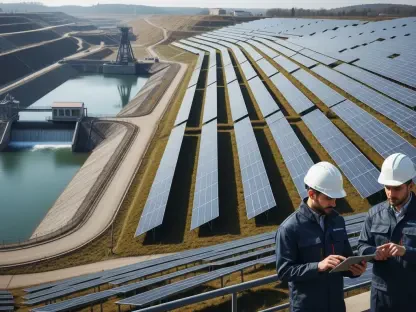
The 2,000 MW Pavagada Solar Park, operational since December 2019, stands as a global symbol of Karnataka’s renewable might, often lauded by energy experts for its scale and efficiency. With central government funding of ₹351.94 crore, the project’s success is frequently attributed to early land acquisition and meticulous transmission planning. Industry voices often cite Pavagada as a blueprint for large-scale renewable ventures, showcasing what strategic foresight can achieve.
Despite the acclaim, some regional commentators question the absence of new solar or wind parks in North Karnataka. They speculate whether this reflects a deliberate pivot to other priorities or a missed opportunity to capitalize on untapped potential in areas like Belagavi. Their concern is that focusing solely on existing hubs might limit the state’s overall growth in clean energy capacity.
A balanced viewpoint emerges from sustainable development advocates who suggest that while Pavagada’s lessons are invaluable, expanding to new regions requires fresh funding and community buy-in. They argue for a diversified approach that builds on past triumphs without neglecting emerging zones. This blend of admiration and constructive critique highlights Pavagada’s pivotal role alongside unanswered questions about future expansions.
Regional Challenges: Disparities Under Scrutiny
Karnataka’s renewable push reveals stark contrasts between widespread residential solar uptake and sluggish progress in certain districts, a topic drawing mixed reactions. Local administrators in areas like Belagavi often lament administrative bottlenecks as key hurdles, suggesting that paperwork and limited vendor networks slow down installations. Their frustration points to a systemic challenge in translating state-level ambition into district-level results.
Energy policy experts offer a comparative lens, noting that other states with similar challenges have tackled disparities through district-specific incentives or mobile support units. They propose that Karnataka could borrow such ideas to address uneven progress, emphasizing the importance of learning from national peers. This perspective shifts the conversation toward actionable adaptation rather than mere problem identification.
Meanwhile, community leaders advocate for enhanced local policies and innovative financing models to boost uptake in lagging areas. Their argument is that empowering smaller regions with resources and education could turn regional weaknesses into strengths. These differing angles collectively stress that while Karnataka’s overall trajectory is impressive, bridging regional gaps remains a critical piece of the puzzle.
Key Takeaways from Diverse Voices
Bringing together these perspectives, it’s clear that Karnataka’s renewable energy efforts—from topping capacity charts to pioneering projects like Pavagada and driving rooftop solar adoption—resonate as a success story among many observers. Industry insiders often recommend better regional coordination and targeted incentives for underperforming districts as vital next steps. Others stress leveraging national schemes more effectively to amplify impact, reflecting a consensus on the need for balance between innovation and inclusion.
Reflecting on Karnataka’s Green Energy Path
Looking back, the discussions around Karnataka’s renewable energy leadership painted a vivid picture of ambition tempered by real-world challenges. The insights gathered from various corners revealed a state at the forefront of India’s clean energy transition, yet one that wrestled with equitable growth. For those inspired by this narrative, a practical next step could be exploring local renewable programs or advocating for solar adoption in their own communities. Digging deeper into state-specific energy policies or connecting with regional vendors might also uncover fresh opportunities to contribute to this green wave, ensuring that Karnataka’s lessons ripple far beyond its borders.