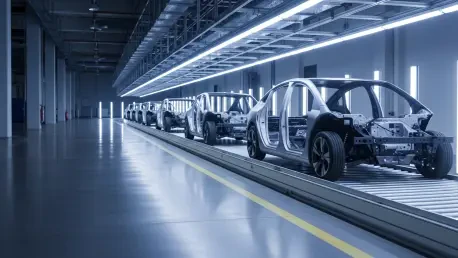

The rhythmic humming of electric motors has steadily replaced the traditional roar of diesel tractors across the vast landscapes of Sirsa, marking a profound shift in the economic identity of this northern Indian district. For decades, the region was defined primarily by its staggering agricultural output, serving as a cornerstone for cotton, wheat, and paddy production that fed and clothed millions. However, the current landscape reveals a more complex industrial profile, where over fifty electric vehicle manufacturing and assembly units now operate within a tight 150-kilometer radius of the city center. This evolution was not the result of a singular government mandate or a sudden influx of foreign investment, but rather a grassroots movement led by local entrepreneurs who recognized a burgeoning national appetite for sustainable and cost-effective transportation solutions. By repurposing the logistical networks and mechanical expertise originally developed for farming machinery, these innovators have successfully integrated high-tech manufacturing into a traditionally agrarian society, creating a unique hybrid economy that challenges conventional urban-centric development models.
The Pioneers of Localized Electric Mobility
Strategic Vision and Market Entry
The transition toward electric mobility in Sirsa gained significant momentum when local visionaries identified a gap between expensive high-end imports and the practical needs of the local population. In the early stages of this industrial pivot, pioneers such as Nishant and Deepanshu Chawla, the founders of Yakuza EV, faced a steep uphill climb characterized by widespread consumer skepticism regarding the reliability of battery-powered transport. During the initial rollout of their products around late 2017, the primary challenge was not just engineering but education; convincing a population accustomed to the raw power of internal combustion engines that electric scooters could handle the rugged local terrain was a monumental task. These entrepreneurs persisted by focusing on the tangible economic benefits, specifically the drastic reduction in daily commuting costs and the minimal maintenance requirements compared to traditional vehicles. This focus on practical utility over abstract environmentalism allowed them to build a foundation of trust with a demographic that prioritizes durability and long-term value above all else.
As the concept of electrification gained traction, these local firms utilized their proximity to the market to outmaneuver larger national competitors through agility and customized design. Unlike major corporations that often deploy a one-size-fits-all strategy, Sirsa-based manufacturers began iterating their designs based on direct feedback from local users who navigated dusty rural roads and extreme temperature fluctuations. This localized research and development led to the creation of reinforced chassis and battery thermal management systems specifically tuned for the Indian climate. Consequently, the initial skepticism evaporated, replaced by a surge in demand that saw the establishment of extensive distribution networks. For instance, Yakuza EV expanded its reach to over 1,300 dealers across the country, proving that a brand born in a small agricultural town could successfully scale its operations to major hubs like Kolkata and Gwalior while simultaneously penetrating international markets such as Nepal and Bangladesh.
Scaling Operations and Export Logistics
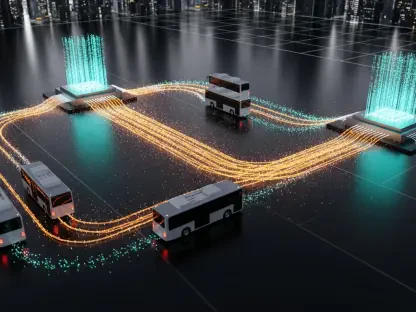
The rapid scaling of Sirsa’s EV sector has been underpinned by a robust assembly strategy that balances cost-efficiency with high-volume output. By 2026, the district has refined its manufacturing processes to the point where local units can compete with global players on price without sacrificing the build quality necessary for domestic road conditions. This operational maturity is evident in the sophisticated logistics chains that have emerged to support the flow of components and finished goods. While the region lacks the immediate proximity to major ports, manufacturers have optimized land-based transport routes to move units efficiently across state lines and toward international borders. This logistical ingenuity has been a critical factor in the sector’s ability to maintain high inventory turnover and meet the growing demand from neighboring countries. The focus has shifted from mere survival to achieving economies of scale that allow for reinvestment in more advanced machinery and automated assembly lines.
Furthermore, the expansion of these facilities has had a transformative effect on the local labor market, drawing workers away from traditional farming roles and into technical manufacturing positions. This shift has necessitated a rapid upskilling of the workforce, with local technical institutes increasingly aligning their curricula with the needs of the electric vehicle industry. The result is a specialized labor pool that understands the intricacies of electric drivetrains, battery chemistry, and electronic control units. This concentration of talent has created a self-sustaining ecosystem where new startups can find the necessary expertise to launch and scale quickly. The success of these operations demonstrates that geographical isolation is not an insurmountable barrier to entry in the high-tech sector, provided there is a strong alignment between manufacturing capabilities and market requirements. This localized industrialization has effectively turned Sirsa into a blueprint for other rural districts aiming to diversify their economic bases.
Structural Hurdles and the Path Forward
Navigating Infrastructure and Policy Gaps
Despite the remarkable organic growth of the electric vehicle industry in Sirsa, the sector continues to grapple with structural limitations that threaten to throttle its long-term expansion. One of the most significant challenges is the district’s current industrial classification, which often precludes local manufacturers from accessing the most lucrative government subsidies and incentive programs designed for larger metropolitan industrial zones. Bimal Bhatia, a prominent voice within the HSIIDC Industrial Welfare Association, has frequently highlighted that the lack of robust financial support and specialized infrastructure puts regional firms at a disadvantage compared to those in more developed corridors. Additionally, the geographic distance from Delhi—approximately 250 kilometers—imposes a persistent “logistics tax” on raw materials and finished products alike. High freight costs and the lack of a dedicated high-speed cargo corridor mean that Sirsa’s manufacturers must maintain higher levels of efficiency just to stay competitive with firms located closer to the capital’s central distribution hubs.
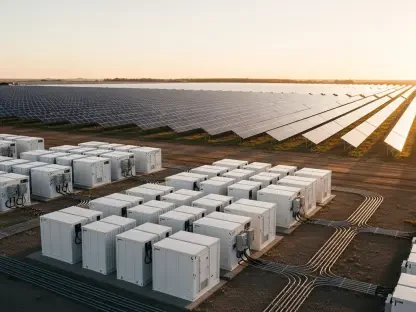
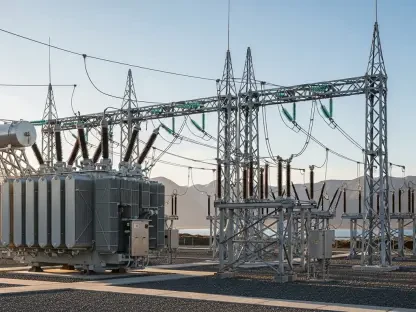
The energy infrastructure also presents a complex hurdle as the demand for high-capacity power for both manufacturing plants and regional charging stations continues to climb. While the district has made strides in power stability, the heavy industrial requirements of modern battery testing and assembly lines necessitate more consistent and high-voltage grid connections. Industry leaders argue that without a concerted effort to modernize the local power grid and establish dedicated industrial parks for EV components, the region may struggle to attract the next level of tier-one component suppliers. These suppliers are essential for reducing the current reliance on imported parts and for establishing a truly localized supply chain. The dialogue between the private sector and local governance is now focused on reclassifying the region to unlock capital and infrastructure grants that could mitigate these logistical burdens and provide a level playing field for Sirsa’s burgeoning tech entrepreneurs.
Future Perspectives on Green Mobility
The evolution of Sirsa into a manufacturing powerhouse serves as a vital case study for the integration of traditional economies into the global green technology landscape. To ensure that this momentum is translated into a permanent industrial legacy, the focus must shift toward creating a more integrated regional supply chain that reduces dependence on distant suppliers. Moving forward, the establishment of localized battery recycling centers and specialized component manufacturing units within the district could drastically reduce lead times and production costs. Such an ecosystem would not only bolster the resilience of local firms but also position the region as a primary hub for the entire lifecycle of electric vehicles, from initial assembly to end-of-life processing. Policymakers and industry stakeholders should prioritize the development of a regional “EV Corridor” that provides streamlined customs and logistics support for exporters, thereby leveraging the existing international success of brands like Yakuza EV.
Ultimately, the future of this industrial hub depends on the ability of local firms to transition from assembly-heavy operations to centers of original design and innovation. As the national market for electric vehicles becomes increasingly crowded with both domestic and international giants, the small-scale manufacturers of Sirsa must double down on their unique selling propositions: rapid after-sales service and extreme product durability. Investing in regional research and development centers, perhaps through public-private partnerships, would allow these companies to stay ahead of technological shifts in solid-state batteries and autonomous driving features. By fostering an environment that encourages high-tech research alongside traditional manufacturing, Sirsa can secure its role as a critical contributor to the national goal of sustainable mobility. The transition was initiated by the grit of local entrepreneurs, but its long-term viability was sustained by a strategic pivot toward infrastructure investment and specialized technical education.