
An Unprecedented Leap: India’s Rise as a Renewable Superpower
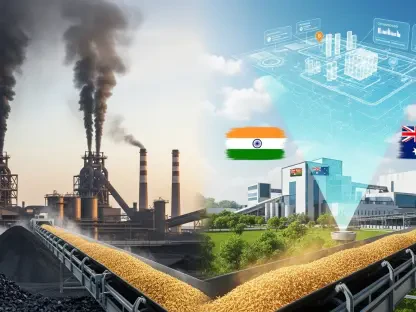
In 2025, India crossed a monumental threshold in its energy journey, achieving a goal that places it at the forefront of the global fight against climate change. The nation successfully sourced 50% of its total electricity capacity from non-fossil fuel sources, a landmark target met a full five years ahead of its 2030 commitment under its Nationally Determined Contribution. This accelerated success is not an isolated event but the culmination of a decade-long, deliberate strategy that has transformed the country from an energy-challenged nation into a renewable energy superpower. This article explores the multi-faceted approach—from ambitious policymaking and explosive solar growth to building a self-reliant manufacturing ecosystem—that propelled India to its position as a global clean energy leader.
The Foundations of a Green Revolution
Just over a decade ago, India’s energy narrative was dominated by challenges. A heavy reliance on coal fueled economic growth but also created significant energy security risks, environmental degradation, and a substantial import bill for fossil fuels. Recognizing that this trajectory was unsustainable, the country embarked on a strategic pivot. Early policies laid the groundwork, but the real transformation began with the understanding that clean energy was not just an environmental imperative but a crucial lever for economic growth, geopolitical stability, and energy independence. This foundational shift in perspective set the stage for one of the most rapid and large-scale energy transitions ever witnessed.
The Pillars of India’s Clean Energy Strategy
Harnessing the Sun: The Solar Power Juggernaut
The cornerstone of India’s renewable success has been its relentless focus on solar power. In a staggering display of scale and speed, the country’s installed solar capacity skyrocketed from a mere 2.8 GW in 2014 to an astounding 133 GW by 2025. This explosive growth was driven by a three-pronged strategy: developing massive, utility-scale solar parks that capitalized on economies of scale; promoting decentralized rooftop solar installations; and launching ambitious government initiatives like the PM Surya Ghar: Muft Bijli Yojana, which aims to solarize millions of households. While this solar boom has democratized energy access and drastically lowered costs, it has also presented challenges, including the need for vast tracts of land and the complexities of integrating a variable power source into the national grid.
Building Self-Reliance: The Domestic Manufacturing Boom
Recognizing the vulnerabilities of relying on international supply chains, India made a strategic decision to build a robust domestic manufacturing ecosystem in parallel with its capacity expansion. This move was critical to ensuring long-term energy security and capturing the economic benefits of the green transition. The results have been transformative. Solar module manufacturing capacity surged from just 2 GW to 123 GW over the last decade, while solar cell production, once nearly nonexistent, reached an impressive 27 GW. This industrial ramp-up not only reduced import dependency but also created thousands of jobs and positioned India as a potential global supplier in the clean energy market, turning a strategic vulnerability into a significant economic opportunity.
Diversifying the Portfolio: Beyond Solar Power
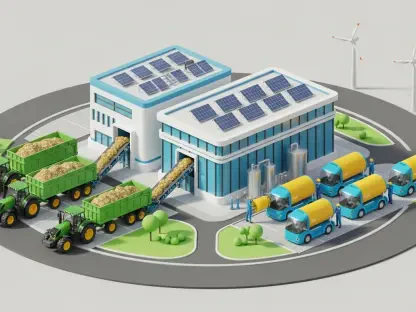
While solar power captured the headlines, India’s strategy was far more comprehensive. The nation steadily expanded its wind power capacity from 21 GW to 54 GW, leveraging its long coastline and favorable wind corridors. Simultaneously, bioenergy grew to become a 12 GW contributor, utilizing agricultural waste to generate clean power and support rural economies. This diversified approach has yielded significant dividends. The International Renewable Energy Agency (IRENA) estimates that India’s clean energy shift has saved the country nearly Rs 4 lakh crore (approximately $48 billion) in avoided fuel costs and reduced pollution-related expenses. By not relying on a single technology, India has built a more resilient, cost-effective, and impactful renewable energy portfolio.
The Next Frontier: Ensuring Grid Stability and Future Growth
With a massive 225% expansion in non-fossil capacity over the last decade—from 81 GW to 263 GW installed—India’s next great challenge is managing the intermittency of renewable power. To ensure the stability and reliability of its grid, energy storage has emerged as a top national priority in 2025. The government is now actively deploying financial support for the development of large-scale battery storage systems and promoting pumped storage hydropower projects. This forward-looking focus on storage is crucial for absorbing surplus solar and wind power during peak generation and dispatching it during periods of high demand or low output, ensuring a seamless and dependable power supply for a growing economy. India’s future leadership will be defined not just by its ability to generate clean energy, but by its capacity to manage it effectively.
Lessons from a Leader: Key Takeaways and Strategic Imperatives
India’s journey offers a powerful blueprint for other nations. The primary takeaway is the success of a holistic strategy that combines ambitious, long-term policy targets with aggressive private-sector execution. By focusing on solar as a primary growth engine while simultaneously building a domestic manufacturing base, India de-risked its transition and maximized its economic benefits. For policymakers worldwide, the lesson is clear: a successful energy transition requires more than just installing renewable capacity; it demands a parallel focus on supply chain security and grid modernization. For businesses, India’s path highlights immense investment opportunities in manufacturing, energy storage solutions, and smart grid technologies.
A Green Legacy: Solidifying India’s Role in a Sustainable Future
India’s success in meeting and exceeding its climate targets is a defining achievement of the 21st century. It demonstrates that rapid economic development and ambitious climate action can go hand in hand. By strategically harnessing its natural resources, fostering innovation, and building a self-reliant industrial base, India has not only secured its own energy future but has also provided a scalable model for the rest of the world. This journey is about more than just megawatts and emissions targets; it is about forging a new paradigm of sustainable growth, cementing India’s legacy as a decisive leader in the global transition to a clean energy future.