
The vast, sun-drenched landscapes of Western Australia are becoming the crucible for a revolutionary fusion of ancient custodianship and next-generation energy technology, redefining what it takes to power a cleaner world. As nations race to decarbonize, the success of massive renewable energy projects hinges not just on technological prowess but on foundational, equitable partnerships with the traditional custodians of the land. This approach transforms project development from a transactional process into a collaborative mission, ensuring that the transition to clean energy is both sustainable and just.
Beyond Technology in National Scale Renewable Projects
Successfully deploying renewable energy on a national scale involves far more than installing solar panels and wind turbines. The most significant challenges are often securing land access, earning a social license to operate, and ensuring long-term environmental stewardship. Without genuine community buy-in and a deep respect for the land’s cultural and ecological significance, even the most technologically advanced projects can face insurmountable delays and opposition. Consequently, authentic collaboration has become a critical pillar for developing the infrastructure needed for a new energy economy.
The Global Race for Clean Fuel and Australia’s Position
Amid a global push for clean energy, green hydrogen has emerged as a frontrunner for decarbonizing heavy industry and transport. Australia, with its immense solar and wind resources, is uniquely positioned to become a global superpower in this market. Western Australia, in particular, offers an ideal combination of consistent renewable energy sources and strategic access to international shipping lanes, making it a focal point for ambitious green hydrogen initiatives aimed at satisfying both domestic and global demand for clean fuel.
A Case Study in Ambition: The Western Green Energy Hub
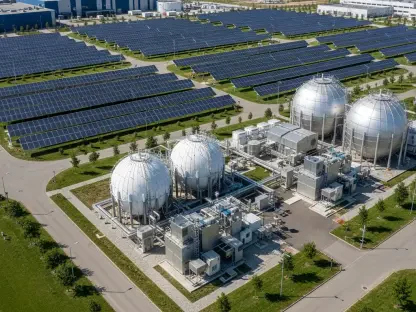
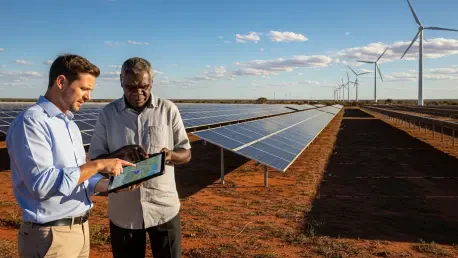
The Western Green Energy Hub (WGEH) exemplifies this potential through its monumental scale and innovative partnership model. Located on the traditional lands of the Mirning people, the project’s initial phase aims to generate up to 8 gigawatts of renewable power—equivalent to the nation’s entire current rooftop solar capacity—to produce 500,000 tonnes of green hydrogen annually. The integrated plan includes vast solar and wind farms, desalination facilities for water, and a dedicated marine terminal for export, creating a comprehensive green energy ecosystem.
Weaving Technology with Tradition: A New Blueprint for Development
At its core, the WGEH is pioneering a dual-focus approach that marries technological innovation with profound cultural and environmental stewardship. This model is not an afterthought but the project’s foundational principle. In a process of collaborative custodianship, joint environmental studies and cultural assessments are being conducted with Mirning traditional owners to protect areas of deep spiritual and ecological importance. This partnership-led approach has earned the initiative “Major Project” status from the state government, validating it as a new blueprint for responsible development.
Forging a Partnership for an Equitable Energy Future
The success of the WGEH illuminated a clear framework for creating an equitable energy future. The critical first step was establishing an authentic, early-stage partnership that positioned the Mirning people as core stakeholders, not consultants. This foundation allowed for the co-design of the project, where traditional knowledge was integrated with technical studies to guide development respectfully. Finally, the commitment to a multi-decade vision, with investment decisions targeting 2029 and beyond, aligned long-term goals with shared community and environmental benefits, proving that mutual respect is the most powerful catalyst for progress.