
The rapid decarbonization of the world’s third-largest energy consumer is no longer being dictated by a single office in New Delhi but by the fierce competitive spirit of regional capitals. While national targets provide a vision, the heavy lifting of modernizing power grids and dismantling coal dependency is occurring across 21 states that together command 95% of India’s electricity demand. This movement signifies a shift from viewing green energy as a compliance burden to recognizing it as a critical engine for local economic growth and industrial modernization.
This sub-national pivot is the true benchmark of the country’s climate success because the practical hurdles of the transition—balancing the grid when the sun sets or the wind dies down—are local problems. As the nation moves away from fossil fuels, state governments are becoming the primary architects of a new, decentralized market. Their performance directly influences everything from the electricity bills of a small household to the global competitiveness of a manufacturing giant, making state-level innovation the most important variable in the net-zero equation.
The Shift: From Central Mandates to State-Led Innovation
The era of top-down energy directives is fading as states increasingly treat clean energy as a race to attract high-value green investments. By moving beyond simple solar farm construction, regional authorities are developing sophisticated market mechanisms that allow for a more fluid exchange of power. This evolution reflects a growing realization that a modernized, carbon-neutral grid is a prerequisite for attracting the industries of the future, such as semiconductor fabrication and advanced electronics.
Recent developments show that states are no longer waiting for federal subsidies to act; instead, they are creating unique policy ecosystems tailored to their specific geographies. This bottom-up approach ensures that the transition is resilient and diversified. By internalizing the benefits of renewable energy—such as lower long-term costs and local job creation—states are building a sustainable momentum that survives changes in national political cycles.
Sub-National Performance: Why Local Success Dictates National Climate Goals
The reliability of the national grid now rests on the ability of individual state distribution companies to manage an increasingly intermittent power supply. As solar and wind become the primary sources of new generation, the burden of maintaining stability falls on state-level infrastructure and regulatory agility. If a state fails to modernize its grid, the resulting instability can ripple across borders, threatening the economic health of the entire country.
Moreover, the localization of energy trends allows for a more nuanced approach to consumer needs. States that successfully manage the integration of renewables can offer lower tariffs to businesses, creating a “green advantage” that draws in private capital. This regional competition creates a virtuous cycle where success in one state provides a blueprint for others, effectively de-risking the transition for the entire emerging economy.
Leading the Charge: Frontrunners in the Renewable Race
Uttar Pradesh has redefined expectations by becoming a dominant force in clean transport and hydrogen technology. The state achieved a notable 10% electric vehicle penetration rate by FY25 and is currently executing a strategy to install 22 GW of solar capacity by FY27. By aiming for 1 million tonnes of green hydrogen by 2028, it is positioning itself as an industrial hub that provides both the fuel and the infrastructure for a zero-emission future.
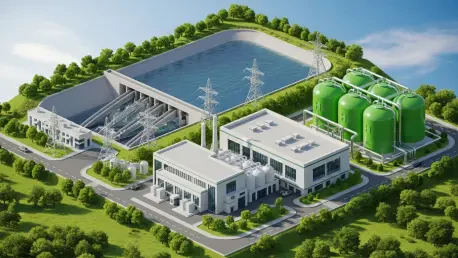
Andhra Pradesh is taking a different but equally vital path by focusing on the “firmness” of its power supply. Through its 2024 integrated renewable energy policy, the state has prioritized pumped hydro storage, with 1,440 MW either operational or under development. This focus on storage, combined with the adoption of Green Energy Open Access Rules, ensures that industrial consumers have a reliable, 24/7 supply of renewable power, proving that green energy can meet the rigorous demands of heavy manufacturing.
Rajasthan continues to lead in pure generation capacity, offering the country’s most competitive green tariff at a staggering ₹0.05 per kWh. This low cost has made it a magnet for solar developers, yet the state also serves as a cautionary tale regarding infrastructure. The massive gap between its generation potential and its current storage capacity and smart meter deployment highlights the next great challenge: ensuring that cheap green power can actually reach the people who need it most during peak hours.
Grid Modernization: Market Mechanisms and Expert Insights
The transition is increasingly being steered by economic incentives rather than just environmental altruism. Tools like “green tariffs” and “time-of-day” pricing are being used to align industrial consumption with the hours of peak solar production. According to energy analysts, these market-driven initiatives are the only way to make the transition financially viable for debt-laden utility companies. By shifting demand to match supply, states are reducing the need for expensive, polluting “peaker” plants.
Experts emphasize that the true measure of a state’s progress is the “sophistication of its grid” rather than just the number of solar panels installed. A modern grid must be flexible enough to handle the sudden surges and drops inherent in renewable energy. This requires a transition from a baseload-heavy mindset, rooted in coal, to a more dynamic system that utilizes battery backups and real-time data to maintain equilibrium across the network.
A Resilient Framework: Strategies for Continued Success
To maintain this trajectory, state governments began prioritizing the implementation of dynamic tariff structures that reward flexibility. By offering lower rates during periods of high renewable generation, they encouraged a shift in industrial behavior that naturally balanced the grid. This policy evolution was complemented by an aggressive push for pumped hydro and battery storage, which served as the essential bridge between intermittent generation and constant demand.
The focus eventually shifted toward decentralized energy systems, where rooftop solar and localized electric vehicle charging networks reduced the pressure on massive transmission lines. States like Delhi and Karnataka demonstrated that empowering individual consumers to generate and store their own power was just as important as building large-scale utilities. This multifaceted approach created a more robust and democratic energy economy, ensuring that the benefits of the clean energy transition were felt at every level of society.