
The rapid evolution of global logistics has placed an unprecedented emphasis on the urgent need to transition away from conventional fossil fuels toward sustainable energy sources that minimize the carbon footprint of air transport. As international trade continues to expand, the partnership between DHL Express and Malaysia Aviation Group represents a pivotal shift in how the industry addresses environmental responsibilities. This collaboration focuses on the GoGreen Plus service, a strategic initiative designed to integrate cleaner energy into the complex web of global supply chains.
This article explores the mechanisms behind this decarbonization effort, specifically examining the role of Sustainable Aviation Fuel and the logistical frameworks that support its adoption. Readers will gain insight into how these organizations utilize innovative fuel technologies to meet stringent climate goals. The scope of this discussion encompasses the operational benefits of the partnership and the broader implications for long-haul aviation within the current environmental landscape.
Key Questions or Key Topics Section
What Role Does Sustainable Aviation Fuel Play in Modern Cargo Operations?
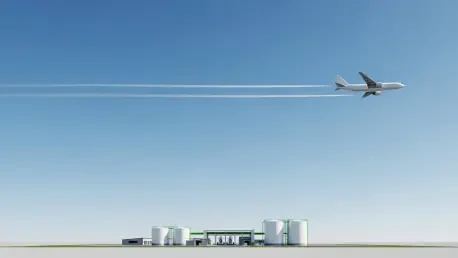
Traditional jet fuel remains a significant contributor to global greenhouse gas emissions, particularly in the demanding sector of long-haul air freight. Finding a viable alternative that does not require a complete overhaul of existing aircraft engines is a critical challenge for the industry. Sustainable Aviation Fuel has emerged as a primary solution because it is produced from renewable waste materials, such as used cooking oil, rather than petroleum-based sources.
By utilizing these renewable feedstocks, the aviation sector can achieve a potential reduction in lifecycle carbon emissions of up to 80 percent compared to conventional fuels. This transition is essential for maintaining the efficiency of international trade while significantly lowering the environmental impact of every flight. The adoption of such fuel signifies a commitment to utilizing proven technology to address the immediate demands of climate action in aviation.
How Does the Book and Claim Model Facilitate Global Decarbonization Efforts?
One of the logistical hurdles in green aviation is the physical distribution of specialized fuels across every airport in a global network. It is often impractical to ensure that a specific shipment is physically transported on a plane burning a specific batch of biofuel. To overcome this, the partnership employs a “book and claim” logistics model, which decouples the physical fuel from its environmental attributes.
Under this system, DHL integrates the cleaner fuel into its broader aviation network where it is most accessible. The resulting emission reductions are then verified and allocated to partners like Malaysia Aviation Group. This approach ensures that the environmental benefits are realized and credited to specific trade lanes connecting Malaysia to major markets in the United States, Europe, and the Asia-Pacific region, regardless of where the fuel is physically loaded.
What Long-Term Strategic Benefits Does This Partnership Offer the Industry?
Moving beyond immediate carbon offsets, this collaboration supports the development of a more resilient and sustainable supply chain infrastructure. Malaysia Aviation Group has been refining its use of alternative fuels for several years, moving toward a framework that prioritizes domestic production and long-term scalability. The current agreement is expected to offset approximately 300 tonnes of carbon dioxide equivalent emissions as the group strengthens its commitment to cleaner operations.
Furthermore, the initiative encourages investment in domestic fuel production and supply chain readiness. By creating a consistent demand for renewable fuels, these organizations provide the economic signals necessary to scale up production facilities. This proactive stance reflects a broader trend within the global aviation sector to move toward lower-carbon solutions through industry-wide cooperation and the persistent pursuit of innovative fuel technologies.
Summary or Recap
The strategic partnership between DHL and Malaysia Aviation Group highlights the effectiveness of the GoGreen Plus service in reducing the carbon intensity of air freight. Through the utilization of Sustainable Aviation Fuel and the implementation of the book and claim model, both organizations have demonstrated a viable path toward meeting international climate targets. The focus on major trade lanes ensures that the impact of these efforts is felt across the most significant corridors of global commerce.
Reinforcing the importance of lifecycle emission reductions, the collaboration serves as a blueprint for other industry players seeking to balance operational efficiency with environmental stewardship. The integration of renewable waste-based fuels and the development of local supply chains are essential components of this transition. For those interested in the future of green logistics, these developments offer a clear example of how corporate cooperation can drive meaningful environmental progress.
Conclusion or Final Thoughts
The shift toward sustainable aviation was defined by a collective realization that traditional methods were no longer compatible with global environmental standards. Organizations recognized the necessity of investing in advanced fuel technologies to secure the longevity of the air cargo industry. This transition required a fundamental change in how logistics providers and airline groups approached their carbon footprints.
Stakeholders successfully identified that actionable next steps involved fostering domestic production and optimizing fuel supply chains to ensure consistency. The focus moved toward integrating these solutions into daily operations rather than treating them as experimental projects. This reflection on the path taken underscored the importance of proactive investment and the continuous pursuit of cleaner alternatives for the global transportation of goods.