With the European aviation industry grappling with a significant gap between ambitious green mandates and a fragile supply chain, the formation of the AeroVerde joint venture represents a pivotal market correction. This strategic alliance between French technology innovator Haffner Energy and Spanish renewable energy giant IGNIS is poised to construct a new blueprint for producing Sustainable Aviation Fuel (SAF) in Spain. This analysis explores the market drivers, strategic synergies, and long-term implications of a partnership designed to tackle the continent’s dependency on imported feedstocks and accelerate the transition toward a secure, localized, and circular aviation fuel economy.
Regulatory Pressure and Market Failures Create an Opportunity
The European SAF market is defined by a stark contrast between regulatory ambition and operational reality. The ReFuelEU Aviation mandate, which compels a 6% SAF blend by 2030, has created immense demand-side pressure. However, with current SAF usage lingering below 1%, the supply side has failed to keep pace. A critical market failure lies in the EU’s over-reliance on imported feedstocks, especially used cooking oil from Asia. This dependency not only introduces significant logistical and cost volatility but also faces scrutiny over its true carbon lifecycle, creating a market ripe for disruptive models that prioritize local sourcing and supply chain integrity.
Deconstructing the AeroVerde Production Model
A Technological Core for Biomass Valorization
At the center of the AeroVerde strategy is Haffner Energy’s advanced thermolysis technology, which converts non-food, residual biomass into a hydrogen-rich synthesis gas (syngas). This process provides the foundational element for producing bio-SAF through established conversion methods like the Alcohol-to-Jet pathway. More importantly, it captures biogenic CO₂ as a by-product. This technological capability allows the venture to valorize local agricultural and forestry waste, turning a low-value resource into a high-demand commodity and insulating its production from the volatile global feedstock market.
Synergistic Integration with Renewable Hydrogen
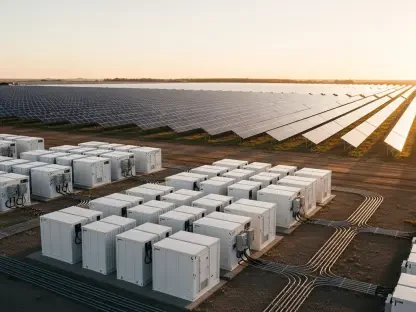
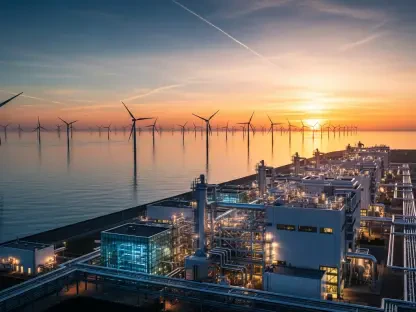
The venture’s true strength emerges from the synergy with IGNIS and its P2X platform, which specializes in green hydrogen development. The biogenic CO₂ captured by Haffner’s process is a crucial ingredient that, when combined with green hydrogen from IGNIS’s renewable energy assets, enables the production of e-SAF. This synthetic fuel is a premium product in the decarbonization hierarchy, offering a fully circular solution. This integration of biomass conversion with renewable power generation creates a dual-stream production capability that can address different segments of the SAF market.
Forging a Resilient Localized Supply Chain
AeroVerde’s business model is a direct answer to the industry’s supply chain vulnerabilities. By strategically siting its first facility to optimize access to local biomass, the partnership is building a closed-loop ecosystem on the Iberian Peninsula. This approach drastically reduces transportation-related emissions and strengthens Spain’s bio-economy by creating new value chains for agricultural and forestry residues. This localized model offers a template for achieving energy sovereignty and ensuring that the environmental benefits of SAF are not negated by the carbon cost of its logistics.
The Future Trajectory of Spanish SAF Production
The AeroVerde partnership is set to establish Spain as a leading hub for SAF production in Europe. The immediate goal of securing a site for the inaugural plant is the first step toward a scalable model. Successful implementation will likely trigger a series of similar developments across the country, leveraging its abundant solar resources and biomass potential. As production scales up from 2026 toward 2030, this model will be critical in helping airlines meet their blending mandates with a reliable, domestically sourced fuel, thereby enhancing Spain’s role in the continent’s green transition.
Key Strategic Insights from the Haffner IGNIS Alliance
The Haffner-IGNIS model provides a compelling case study for the broader energy transition market. The primary insight is the strategic imperative of integrating specialized conversion technology with large-scale renewable energy infrastructure. For prospective entrants into the SAF market, this venture underscores that success is no longer just about a single technological innovation but about building a complete, resilient ecosystem. The model proves that localizing the supply chain is a powerful de-risking strategy that aligns commercial goals with circular economy principles, creating a more sustainable and profitable long-term investment.
A Landmark Partnership That Reshaped SAF Production
The AeroVerde joint venture was more than a corporate agreement; it was a strategic masterstroke that fundamentally altered the calculus of SAF production in Europe. By merging Haffner’s cutting-edge biomass conversion with IGNIS’s renewable energy prowess, the partnership created a viable, localized solution to the industry’s most pressing supply chain challenges. This collaboration demonstrated that the gap between climate mandates and market reality could be bridged not by incremental improvements but by a holistic, synergistic approach. The venture provided a powerful and replicable blueprint for building a secure and truly sustainable future for aviation.