
An industrial giant forged in petrochemicals is now undertaking one of the most ambitious pivots in modern energy history, betting its future on the smallest and most abundant element in the universe. Gujarat, a state long synonymous with India’s manufacturing and chemical prowess, has unfurled a detailed and aggressive strategy to not only decarbonize its own economy but to establish itself as a dominant global supplier of green hydrogen. This move is more than an environmental initiative; it is a calculated economic maneuver designed to redefine India’s position in the next generation of global energy trade, leveraging the state’s formidable industrial base to pioneer a hydrogen-powered future.
From Petrochemical Hub to Green Energy Pioneer
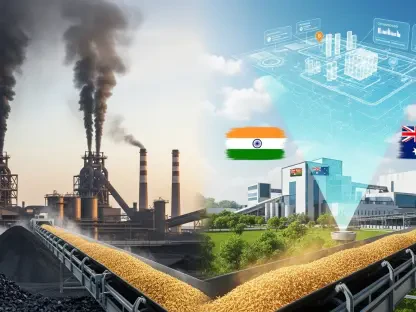
For decades, Gujarat’s identity has been intrinsically linked to its sprawling industrial estates, bustling ports, and a robust petrochemical sector. This foundation, built on traditional energy sources, provided the economic engine for the state and a significant portion of the nation. However, the state’s leadership recognized that the very infrastructure that powered its past could be repurposed to secure its future. The strategic pivot toward green hydrogen is not an attempt to abandon its industrial legacy but to evolve it, transforming existing strengths in manufacturing, logistics, and maritime trade into assets for a new, cleaner energy economy.
The state’s extensive coastline, which has long facilitated the import of fossil fuels and the export of finished goods, is now viewed as a critical launchpad for green hydrogen and its derivatives, such as green ammonia. By leveraging these existing logistical advantages, Gujarat aims to seamlessly integrate into the emerging global supply chains for clean fuels. This transition capitalizes on established expertise while charting a new course, demonstrating a forward-thinking approach to industrial evolution in an era of profound energy shifts.
The Global Race for Green Hydrogen and Gujarat’s Strategic Entry
The global push to achieve net-zero emissions has ignited a fierce competition to master green hydrogen technology. Recognized as a crucial tool for decarbonizing hard-to-abate sectors like heavy industry, long-haul transport, and shipping, green hydrogen has become the next frontier in the clean energy transition. Nations across Europe, Asia, and North America are investing billions to secure a foothold in this nascent market, understanding that leadership in hydrogen will translate to energy security and economic influence for decades to come.
Gujarat’s policy is a direct and assertive entry into this global arena. The state is not merely aiming for self-sufficiency but is positioning itself as a key exporter to energy-importing regions that lack the renewable resources for cost-effective hydrogen production. By moving quickly and decisively, Gujarat intends to capture a significant share of the international market, transforming its renewable energy potential into a high-value, exportable commodity that can power industries thousands of miles away.
A Blueprint for Dominance The Pillars of the Green Hydrogen Policy
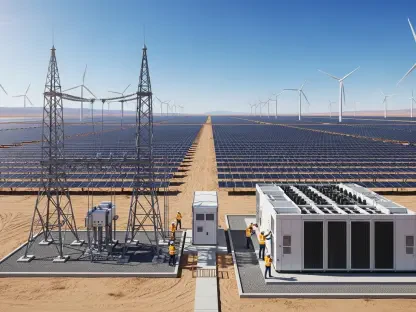
At the heart of Gujarat’s strategy lies a meticulously crafted blueprint with targets set for 2035 that signal the sheer scale of its ambition. The policy aims for an annual production capacity of 3 million metric tons, supported by an unprecedented 30 gigawatts of electrolyzer capacity. Powering this immense operation will require an estimated 75 gigawatts of new renewable energy projects, a goal that underscores the symbiotic relationship between green power and green hydrogen. To fund this vision, the state is targeting nearly ₹5 trillion ($55.6 billion) in investments across the entire value chain, from solar panel manufacturing to the construction of ammonia export terminals.
The state has adopted a dual-engine approach to market creation, simultaneously stimulating both supply and demand. On the production side, generous incentives have been put in place, including capital subsidies for electrolyzer installations, significant relief on electricity transmission charges, and streamlined support for land acquisition. In parallel, the policy actively cultivates a domestic consumer base by offering subsidies for the establishment of hydrogen refueling stations, kickstarting the procurement of hydrogen-powered public transport, and encouraging industrial SMEs to adopt green hydrogen as a fuel source through consumption-based financial support.
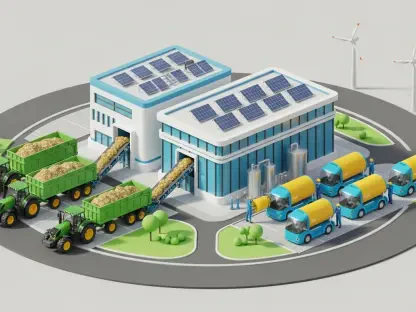
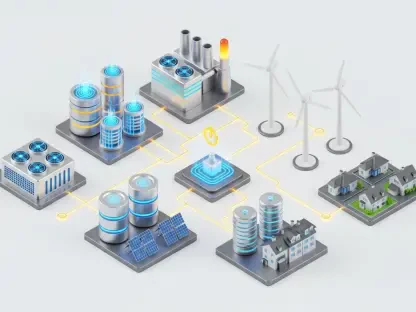
Beyond simply incentivizing production, the policy is architected to build a self-sustaining and integrated ecosystem. A core component of this strategy is the development of dedicated Green Hydrogen Hubs, which co-locate production facilities with industrial end-users to optimize infrastructure and create economies of scale. Furthermore, the framework actively promotes the domestic manufacturing of critical components like electrolyzers, aiming to reduce import dependency and capture more value locally. This focus on vertical integration is reinforced by a ₹1 billion fund dedicated to fostering research, development, and startup innovation within the sector.
Ensuring Credibility Through Robust Governance and Adaptability
To steer this complex and capital-intensive initiative, Gujarat has established a clear, three-tier governance structure. A high-level Apex Committee provides strategic direction, while an Executive Committee oversees project approvals and the transparent administration of incentives. The Gujarat Power Corporation Limited acts as the central nodal agency, ensuring coordinated and efficient implementation on the ground. This structured oversight is designed to build investor confidence and maintain momentum.
Recognizing the rapid pace of technological advancement in the hydrogen sector, the policy incorporates crucial elements of foresight and flexibility. A “no double-dipping” clause ensures that incentives are allocated efficiently, preventing projects from drawing benefits from multiple state schemes for the same purpose. More importantly, a built-in provision allows for a comprehensive review of the policy every two years. This adaptability ensures that the framework can evolve in response to new technologies, shifting market dynamics, and any unforeseen implementation challenges, keeping Gujarat at the cutting edge of the industry.
Navigating the Investment Landscape A Clear Path for Stakeholders
The policy framework provides a clear and inviting roadmap for a diverse range of stakeholders. Eligibility extends beyond just green hydrogen producers to include manufacturers of derivatives like green ammonia, developers of storage and transport infrastructure, and end-use application projects. This inclusive scope ensures that opportunities exist across the entire value chain, from private corporations and public sector units to joint ventures and municipal bodies.
A critical condition for accessing the policy’s benefits is the new-build mandate, which stipulates that all qualifying projects must utilize new machinery and equipment. This requirement is a deliberate strategy to catalyze fresh capital investment and ensure the state’s hydrogen infrastructure is built using the latest, most efficient technologies available. It prevents the simple rebadging of old assets and guarantees that the ecosystem is modern from its inception.
To provide the stability required for long-term, large-scale investments, the policy remains effective until December 31, 2035. This decade-long window offers investors the certainty and predictability needed to commit to capital-intensive projects. By establishing a clear and enduring framework, Gujarat has sent a powerful signal to global markets that it is open for business and serious about its long-term commitment to becoming a leader in the green hydrogen economy.
The roadmap laid out in the Green Hydrogen Policy 2025 was more than a set of targets; it was a fundamental reshaping of Gujarat’s economic and environmental destiny. By creating a comprehensive ecosystem rather than merely subsidizing production, the state established a blueprint for industrial transformation that has since been watched closely by developing economies worldwide. The successful execution of this vision hinged on navigating technological hurdles and fierce global competition, but the policy’s launch marked a pivotal moment, signaling a decisive step toward a sustainable industrial future powered by the world’s cleanest fuel.