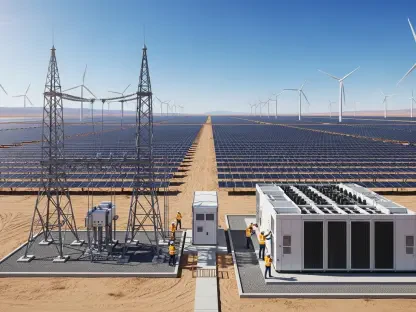

The relentless expansion of the digital world now finds its most critical power source not in traditional fuels but directly from the sprawling solar fields of Texas, where a landmark agreement is set to redefine corporate energy strategy. This deal between Google and TotalEnergies illuminates a powerful trend: the technology sector’s accelerating pivot toward large-scale renewable energy to fuel its data-hungry operations. As corporations increasingly take the lead in driving the energy transition, such partnerships become crucial blueprints for a sustainable digital future.
Powering the Digital Age: The Corporate Clean Energy Landscape
The insatiable energy appetite of data centers and other digital infrastructure is a defining challenge of the modern economy. These facilities, the backbone of cloud computing and artificial intelligence, require a constant and massive supply of electricity, placing significant strain on regional power grids and driving up carbon footprints.
In response, major technology companies have become some of the most significant players in the renewable energy market. Through instruments like Power Purchase Agreements (PPAs), these corporations can secure clean electricity at a fixed price over the long term, providing financial stability while directly funding the development of new wind and solar projects. Texas, with its abundant solar resources and favorable regulatory environment, has emerged as a premier destination for such investments.
A Megawatt Milestone: Analyzing the Deal’s Impact
The Green Data Tsunami: Key Drivers Behind the Pact
This agreement is fundamentally driven by the corporate race to achieve ambitious sustainability targets, including 100% renewable energy sourcing and carbon-neutral operations. For Google, this PPA is a critical step in matching its massive electricity consumption with clean power, ensuring its expanding infrastructure is powered responsibly.
Simultaneously, the deal reflects TotalEnergies’ strategic evolution from a traditional oil and gas major into an integrated clean energy provider. By developing and financing large-scale solar projects, the company is positioning itself to offer customized solutions that address the complex challenges of grid reliability and stable power supply for energy-intensive clients like Google.
By the Numbers: Quantifying the Texas Solar Agreement
The agreement encompasses a staggering 1 GW of solar capacity contracted over a 15-year term. This capacity will be supplied by two of TotalEnergies’ solar farms in development: the 805 MWp Wichita project and the 195 MWp Mustang Creek facility. Construction on these sites is commencing this year.
Over the life of the contract, these projects are projected to deliver approximately 28 terawatt-hours (TWh) of clean electricity to the Texas grid. This represents TotalEnergies’ largest renewable PPA in the United States, signaling a major deepening of its investment in the American energy market and setting a new benchmark for corporate procurement deals.
Navigating the Grid: Overcoming Challenges in Powering Big Tech
Integrating a gigawatt of intermittent solar power into the Texas power grid, managed by ERCOT, presents significant technical complexities. Grid operators must balance the variable output of solar farms with the constant, 24/7 power demand of Google’s data centers, a challenge that requires sophisticated energy management and grid infrastructure upgrades.
Structuring long-term PPAs also involves navigating considerable logistical and financial hurdles. These agreements must be carefully designed to allocate risk between the developer and the offtaker while ensuring the project’s economic viability. Furthermore, developers must engage in responsible community and environmental stewardship, managing land use and local impacts throughout the project’s lifecycle.
The Policy Power-Up: How Regulations Shape Renewable Energy Deals
Federal incentives, most notably the Inflation Reduction Act, have played a pivotal role in making large-scale renewable projects more economically attractive. These policies provide tax credits and other financial mechanisms that lower the cost of development, directly enabling ambitious agreements like the one between Google and TotalEnergies.
These deals are also shaped by corporate ESG mandates, which are increasingly demanded by investors, customers, and employees. By signing PPAs, companies can meet both regulatory compliance and internal sustainability reporting standards, demonstrating a tangible commitment to decarbonization that enhances their brand reputation and market position.
Beyond the Horizon: The Future of Corporate Renewable Procurement
This partnership signals emerging trends in corporate energy strategy, particularly the move toward multi-technology solutions. While solar forms the foundation of this deal, future agreements are likely to incorporate energy storage, such as large-scale batteries, to provide a more reliable and dispatchable clean power supply that can better match 24/7 operational needs.
The scale and structure of the Google-TotalEnergies agreement could serve as an influential model for other energy-intensive industries looking to decarbonize their operations. As more sectors pursue aggressive climate goals, the lessons learned from this collaboration will likely accelerate the broader U.S. energy transition and support the long-term decarbonization of the national grid.
A Landmark Partnership: Redefining Corporate Energy Strategy
This 1 GW solar agreement stands as more than just a massive energy transaction; it is a clear indicator of the symbiotic relationship forming between Big Tech and modern energy providers. The deal’s significance lies in its scale, its long-term vision, and its role in directly adding new, clean capacity to the grid.
The partnership underscores a strategic alignment where technology giants provide the demand certainty needed to finance new renewable infrastructure, while energy companies deliver the customized, reliable clean power required to run the digital economy. This model is paving the way for continued growth in corporate renewable investment, contributing to a more resilient and sustainable power grid for all.